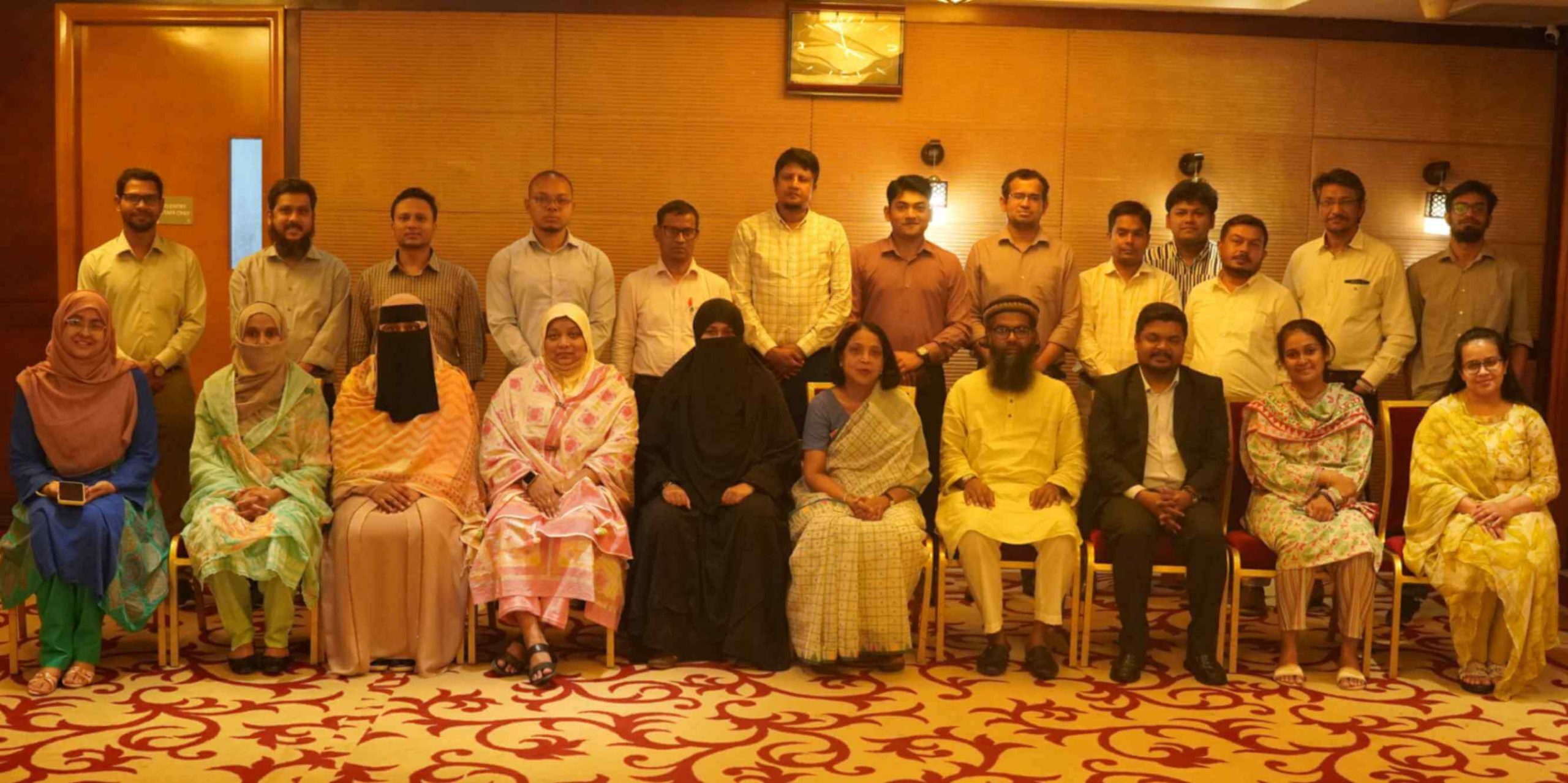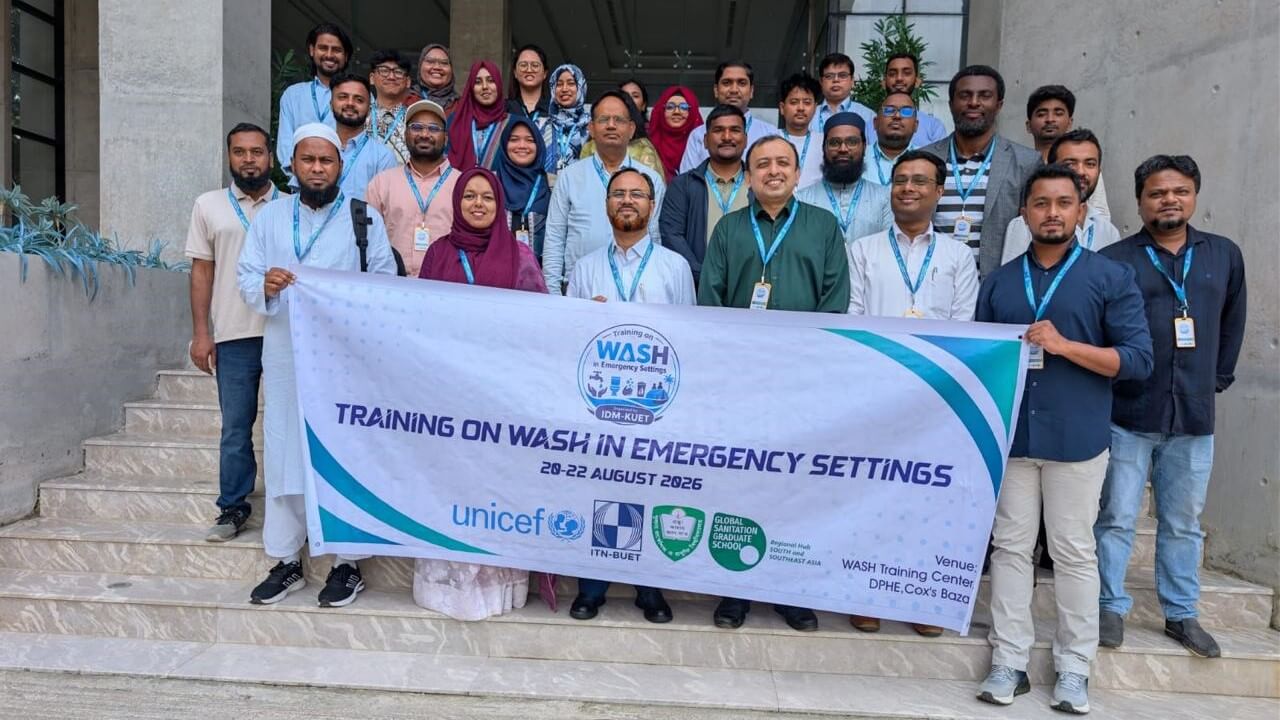

The Institute of River, Harbor and Environmental Science (IRHES) of Chittagong University of Engineering & Technology (CUET), in collaboration with the Global Sanitation Graduate School Regional Hub South and Southeast Asia (GSGS RH SSEA), organized a training on Sustainable Sanitation Technologies from 11–25 October 2025. The program combined online theoretical sessions with an in-person field visit to a sewage treatment plant on 25 October and brought together 15 participants, including three women, from various organizations working in the sanitation sector.
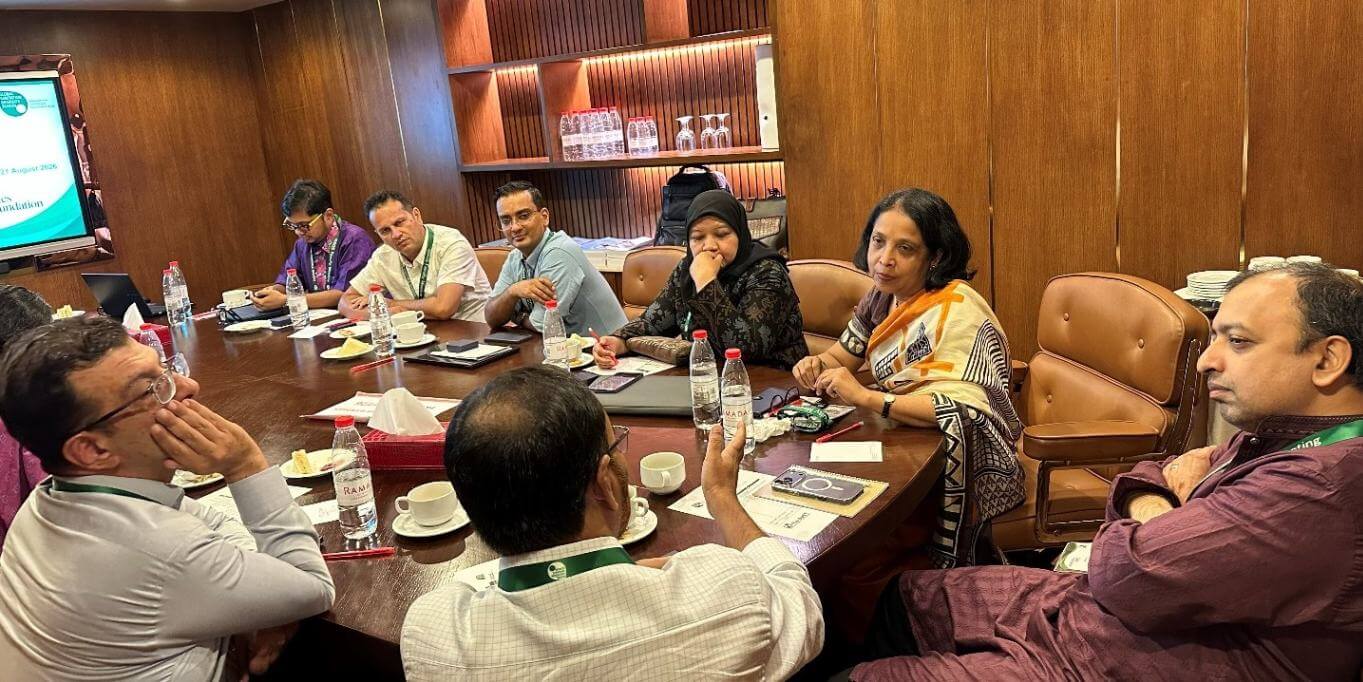
Eminent subject matter experts from CUET and BUET facilitated the technical sessions and individual exercises during the training. The program helped participants gain an understanding of the fundamentals of sanitation systems, on-site and off-site sanitation technologies, and faecal sludge management (FSM), along with sanitation in emergency contexts.
During the field visit, officials from the Chattogram Water Supply and Sewerage Authority (CWASA) briefed participants on the sewerage network of Chattogram Metropolitan City and the process flow of an under-construction sewage treatment plant with a design capacity of 100 MLD. The field component enabled participants to connect classroom learning with real-world system design and operation.
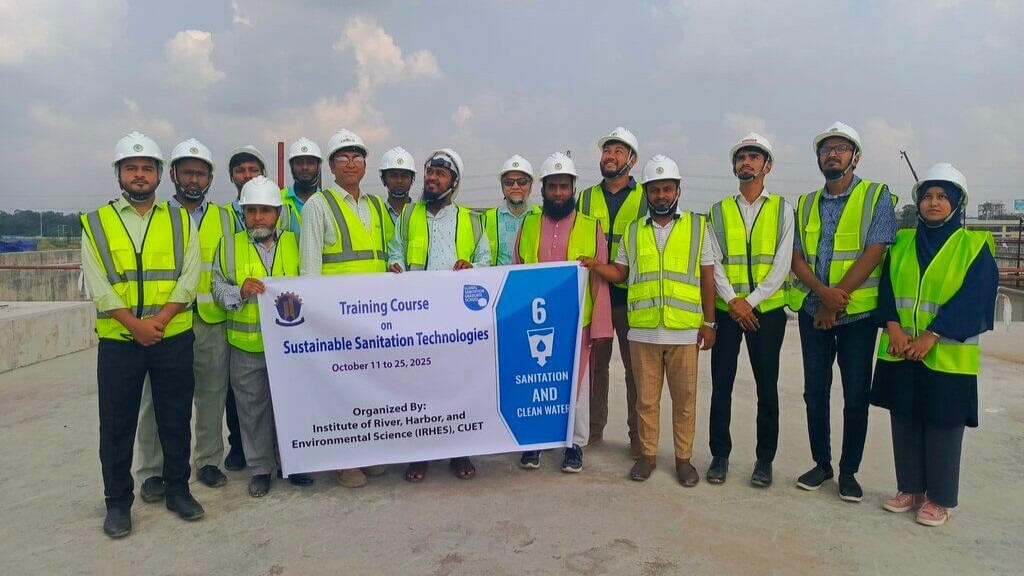
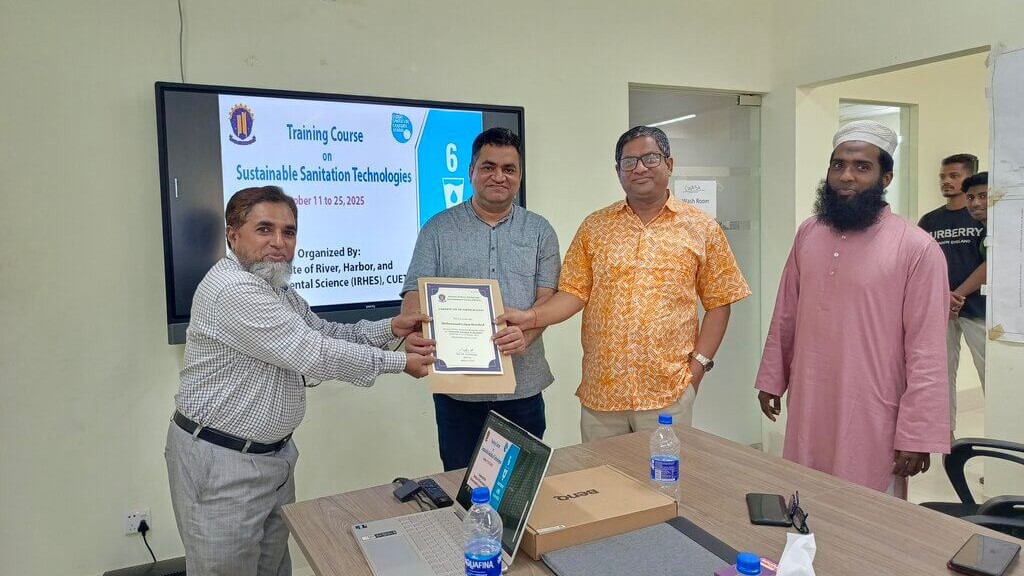
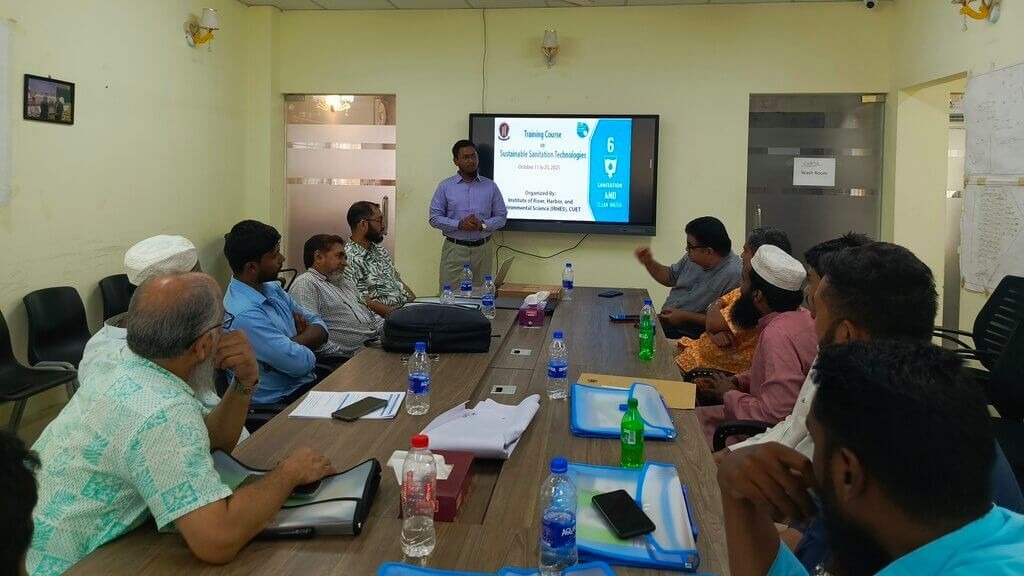
Prof. Dr. Tanvir Ahmed, Director, GSGS RH SSEA, joined the opening day and delivered a lecture on sanitation systems in addition to presenting an overview of GSGS activities. He encouraged participants to enhance their skills in sanitation, noting the shortage of qualified professionals in the sector, and informed them that course completers would be eligible to join the GSGS alumni network.
Participants expressed their appreciation, emphasizing the practicality of the training. Md. Ali Imran Hossain Pinko, Assistant Engineer, Khagrachari Municipality, noted that “the technical sessions were excellent and covered the key issues of sanitation technology along with FSM in emergency settings.” Several participants requested that future training be delivered offline, with more in-depth coverage of FSM and visits to faecal sludge treatment plants (FSTPs) to gain hands-on operational experience.
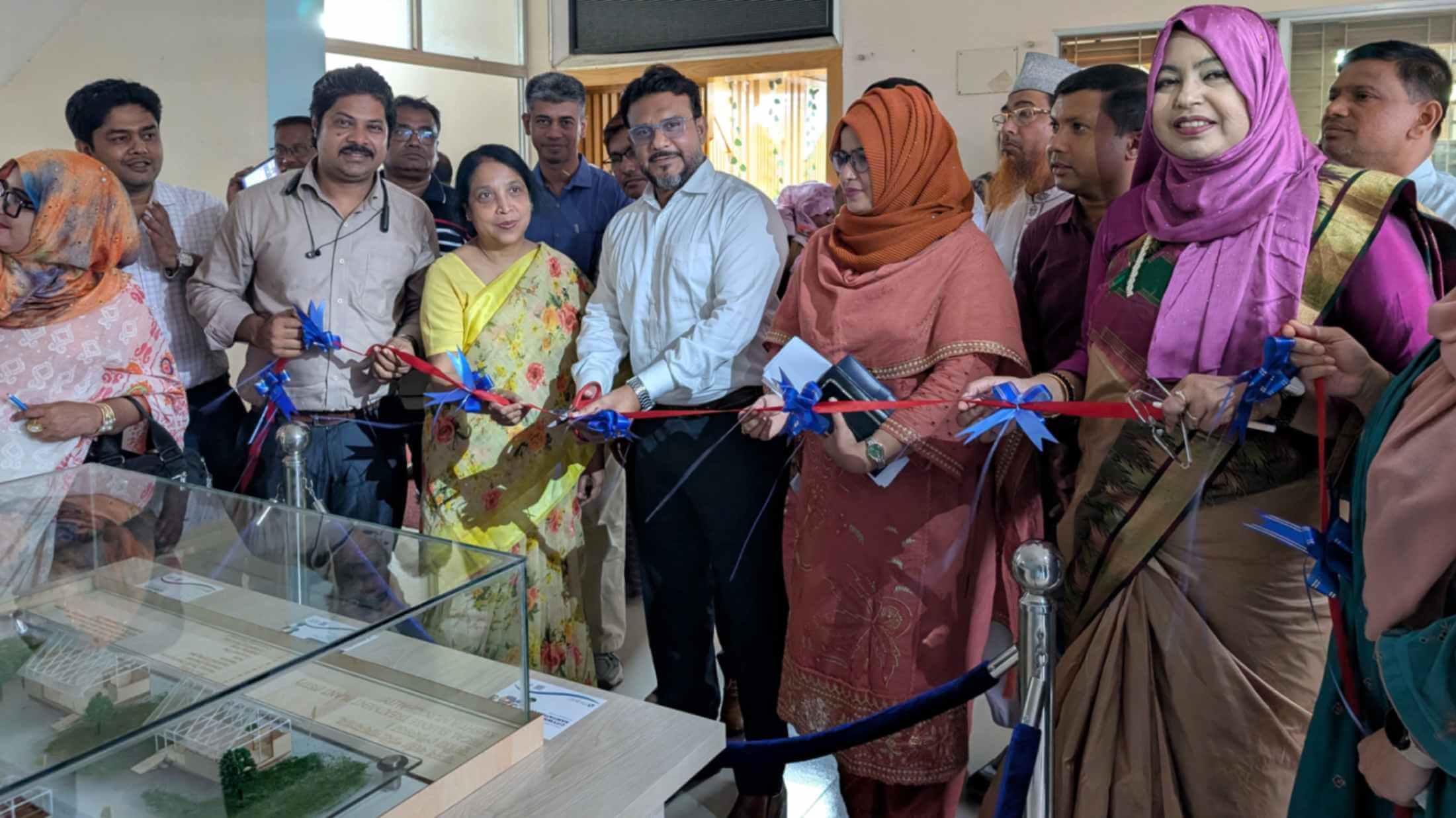
At the closing ceremony, Mohammed Ariful Islam, Superintending Engineer, CWASA, graced the event as the special guest. He stated, “As CWASA implements major sanitation projects, we are keen to collaborate with IRHES to facilitate practical demonstrations and future capacity-building training for local professionals.” Prof. Dr. Asiful Hoque, Director of IRHES, in his closing remarks, congratulated all participants for successfully completing the training and awarded certificates to the trainees. He also thanked the facilitators, coordinators, and supporting staff for organizing a successful event and expressed hope that future editions of the training would be held offline to encourage greater interaction and hands-on learning.