
The functionality of Arsenic-Iron Removal Plants (AIRPs) to treat arsenic contamination across rural Bangladesh depends greatly on technical performance, socio-economic factors, and community acceptance.
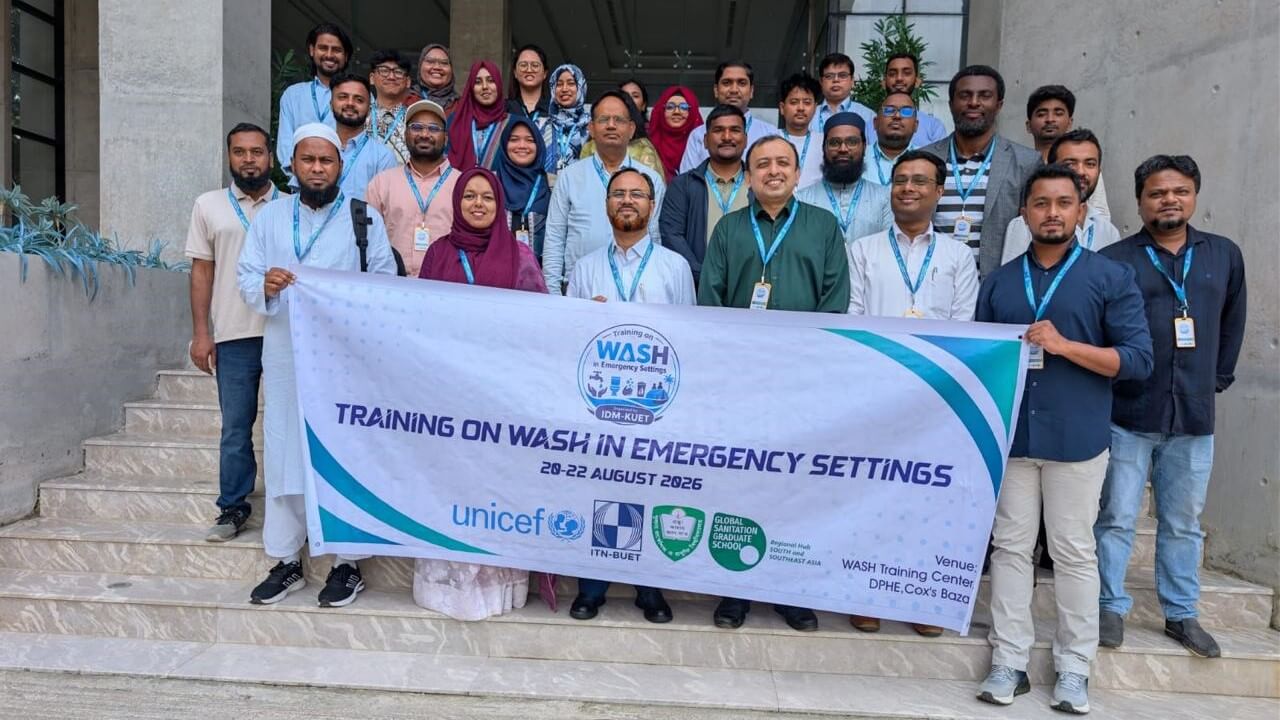
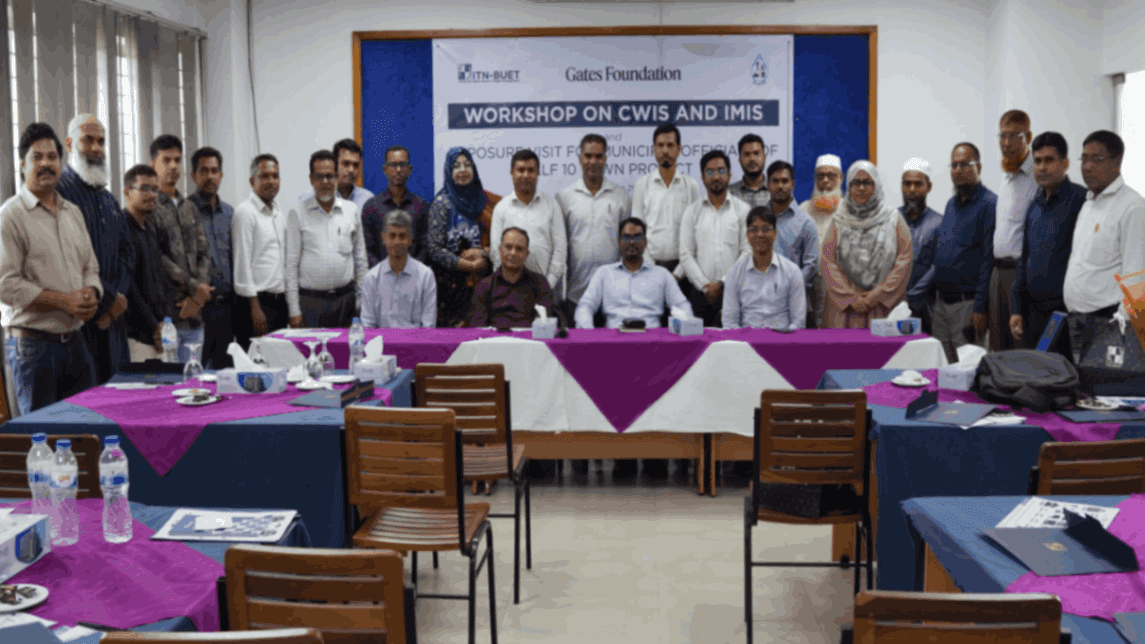
ITN-BUET conducted research explored the root-cause of the functionality of AIRPs considering all these technical and non-technical aspects using a quantitative methodology. The research outcomes were shared with the sector stakeholders from DPHE, BRAC WASH, WaterAid, JICA, SPACE, Asia Arsenic Network, BADC, AUST in a dissemination event on 14 October 2025 at ITN-BUET.
In the opening remarks, Project Manager of ITN-BUET, Alauddin Ahmed highlighted the need for sustainable and community-accepted solutions for arsenic mitigation. ITN Director Professor Dr. Rowshan Mamtaz mentioned that the arsenic problem remains unresolved, and she emphasized paying adequate attention on arsenic issue.
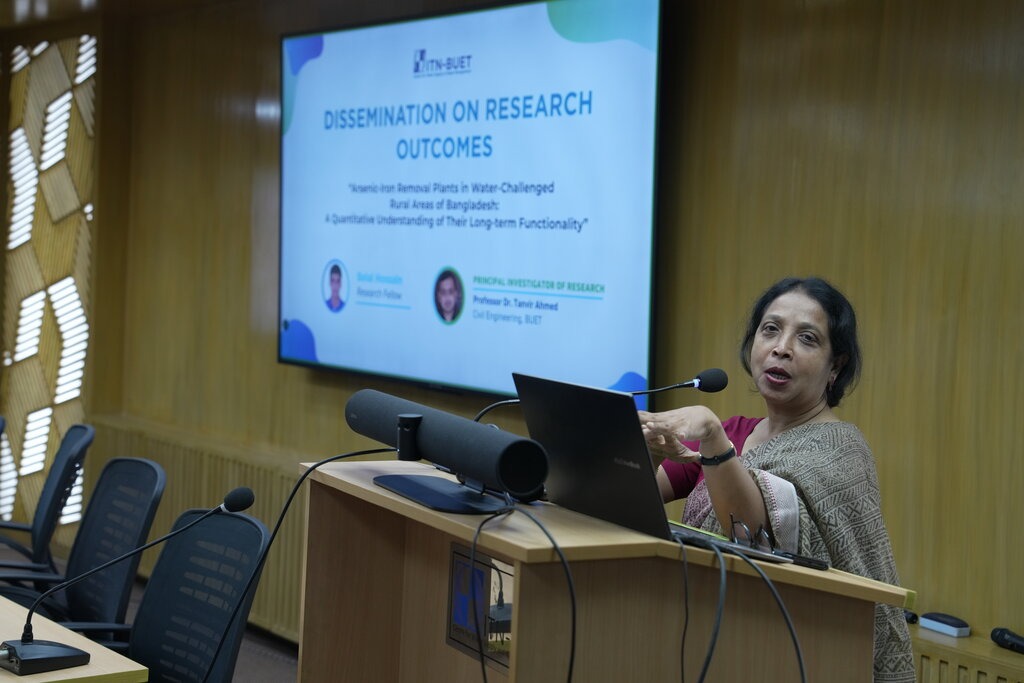
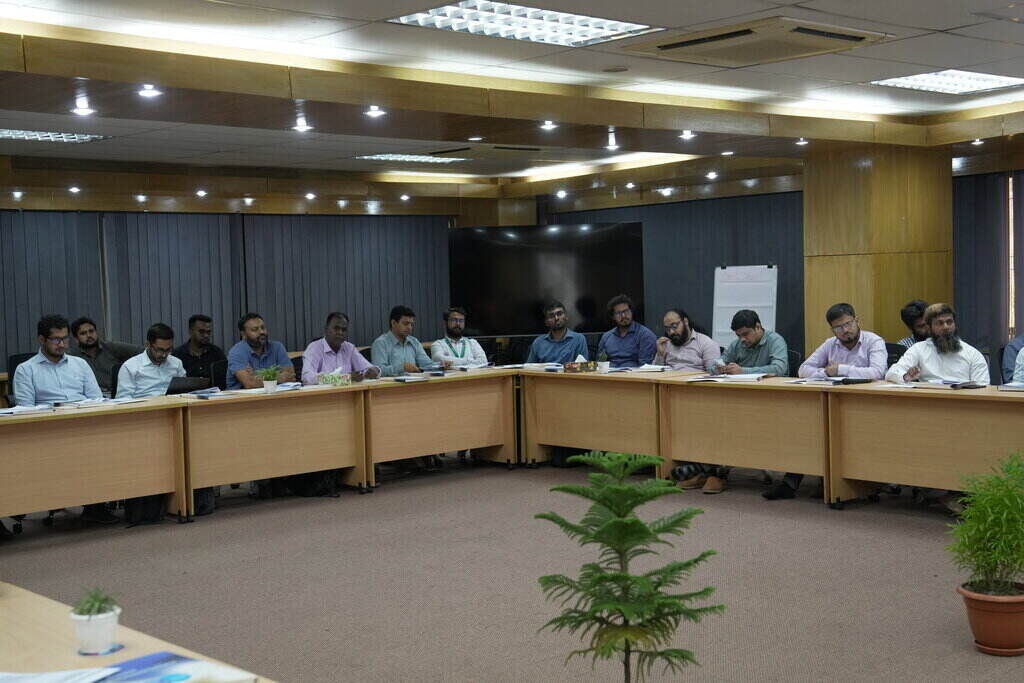
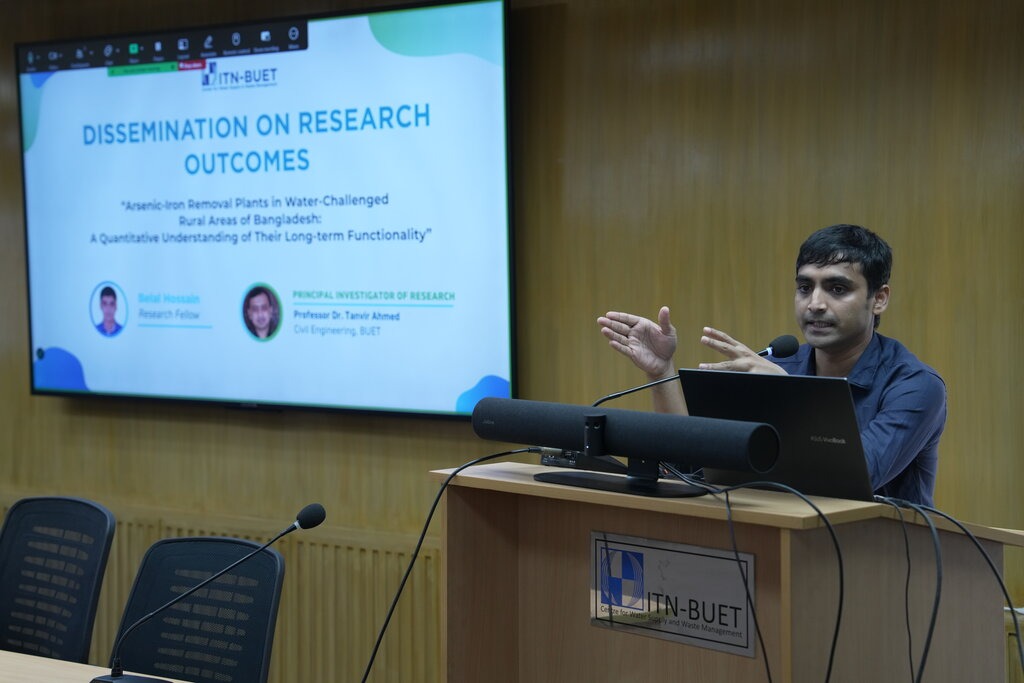
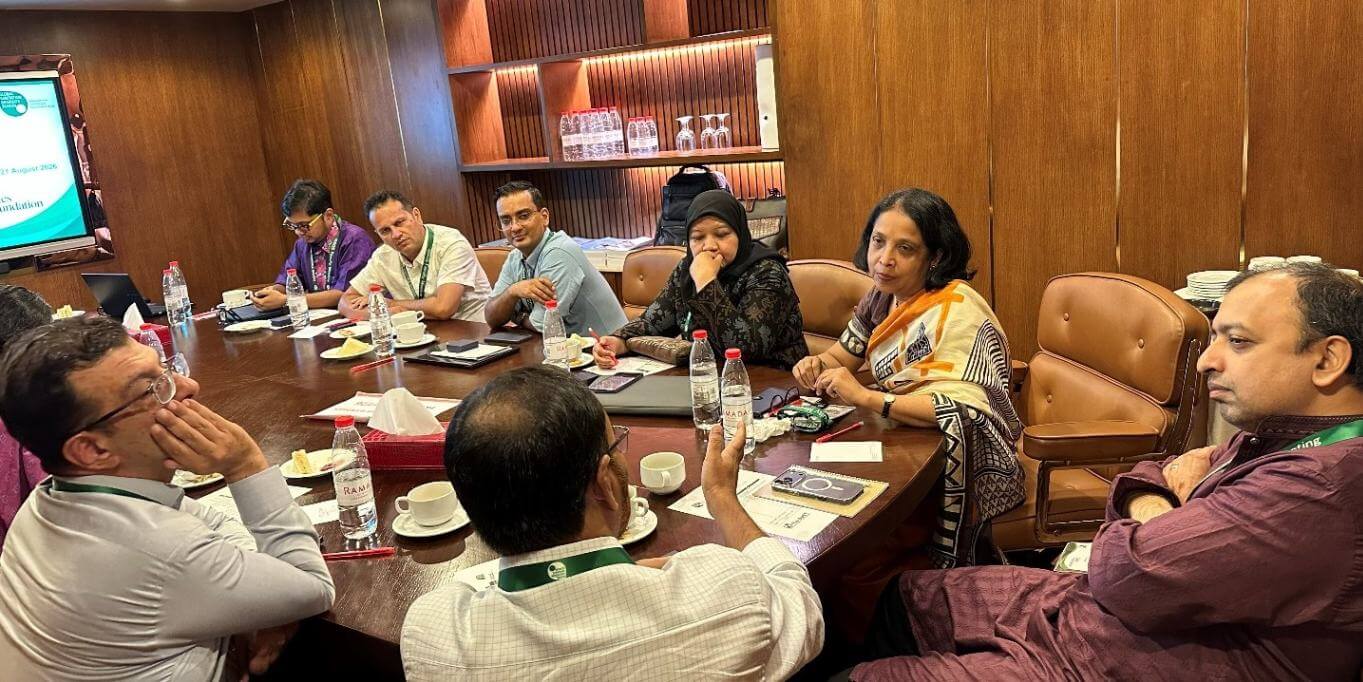
Research Fellow Belal Hossain presented key findings on AIRP functionality, covering technical design, operation, and user perspectives. The study found that nearly half of the surveyed AIRPs in rural Bangladesh are non-functional due to poor maintenance, groundwater scarcity, and recurring component failures. Multivariate logistic regression indicated that sufficient well yield, tariff contribution, and defined maintenance responsibility improve functionality, while older systems and biological contamination reduce it. Free listing analysis highlighted user ownership, motivation, and training as crucial for long-term sustainability. During the interactive discussion, participants remarked that NGO-managed AIRPs perform better due to stronger follow-up and community involvement, underscoring the importance of routine water testing, user awareness, and active participation, as communities tend to respond more to visible iron issues than to invisible arsenic threats.
In closing, Principal Investigator Professor Dr. Tanvir Ahmed opined that the similar methodology can be followed to investigate the causes of poor functionality of other treatment-based systems. Professor Dr. Rowshan Mamtaz concluded by reaffirming ITN-BUET’s commitment to promoting safe and sustainable water solutions for rural communities.
The event successfully bridged research and practice, providing critical insights to policymakers, practitioners, and researchers, and highlighting ITN-BUET’s commitment to addressing pressing water quality challenges in Bangladesh.