
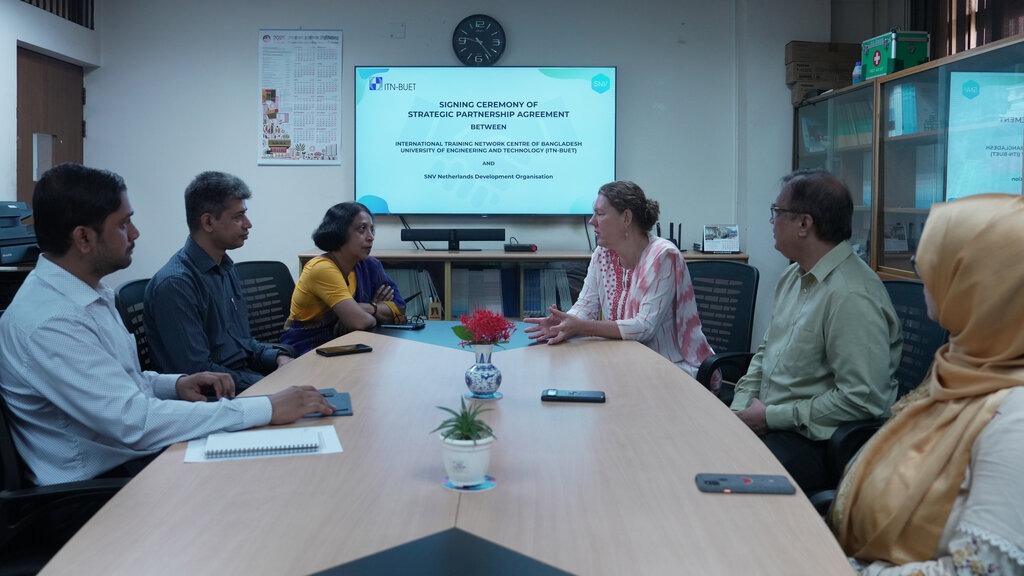
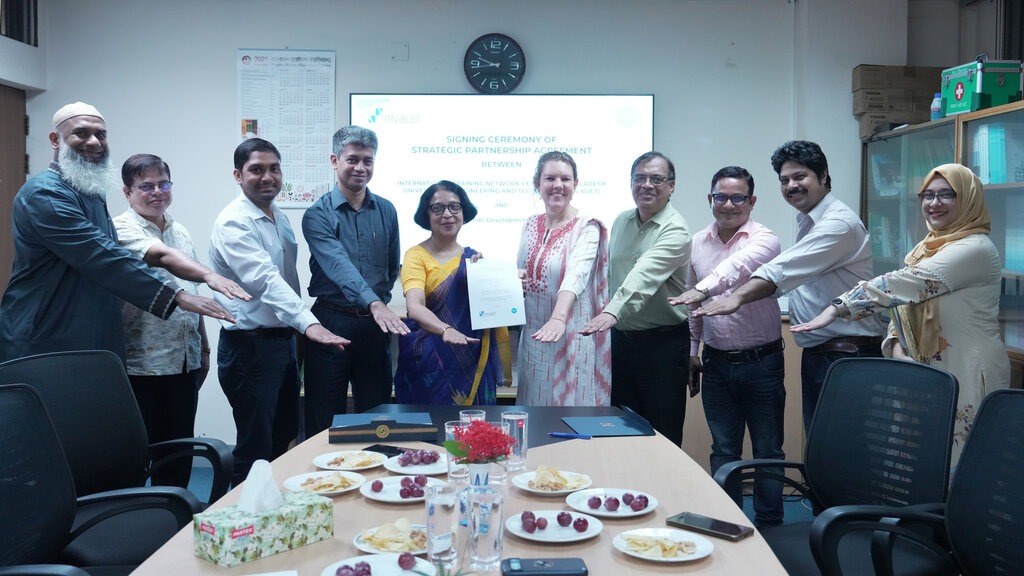
A landmark move towards advancing Sustainable Urban Water Cycles and Citywide Inclusive Sanitation (CWIS), ITN-BUET and SNV Netherlands Development Organization signed a Strategic Partnership Agreement (SPA) on 21 July 2025 to accelerate progress through systematic capacity building, knowledge sharing, and the replication of innovations across the country.
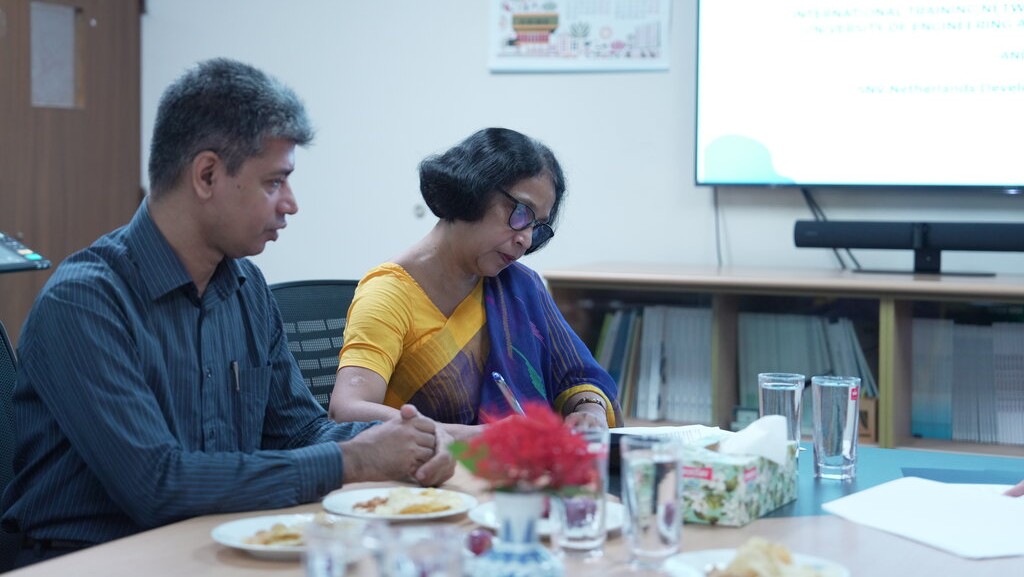
The agreement was formally signed by Professor Dr. Rowshan Mamtaz, Director of ITN-BUET, and Ms. Ismene R. A. C. Stalpers, Country Director of SNV Bangladesh, marking a shared commitment by both institutions to strengthen institutional capacity and promote systems thinking in urban sanitation and water management.
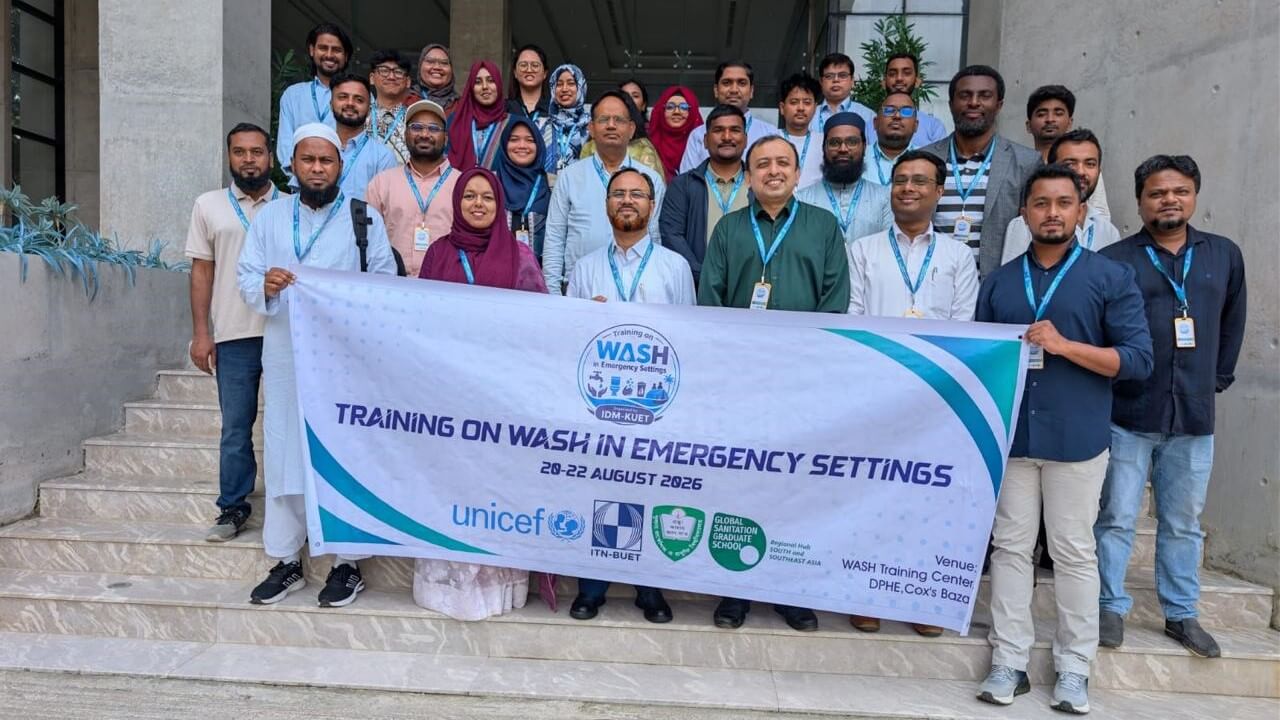
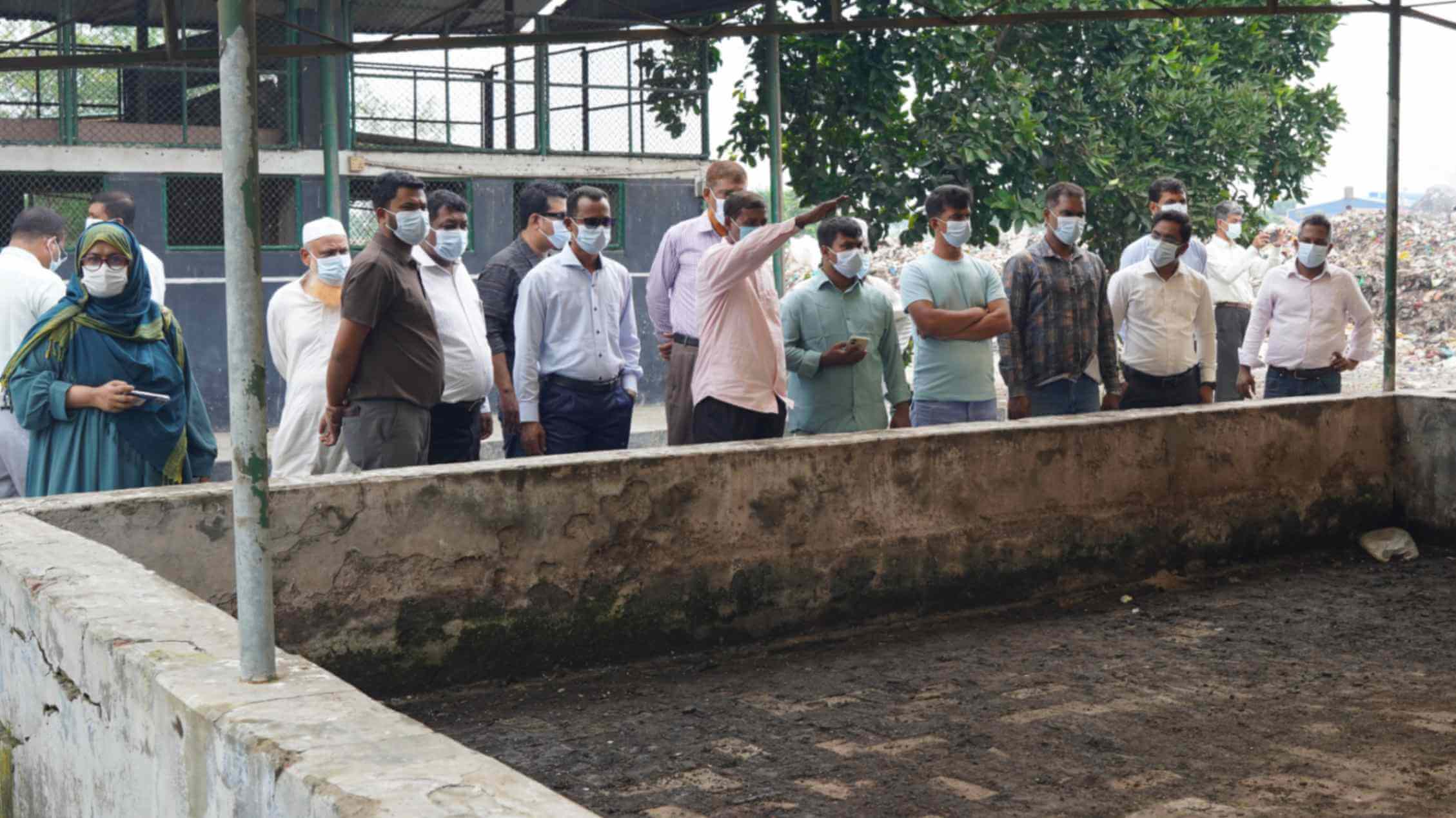
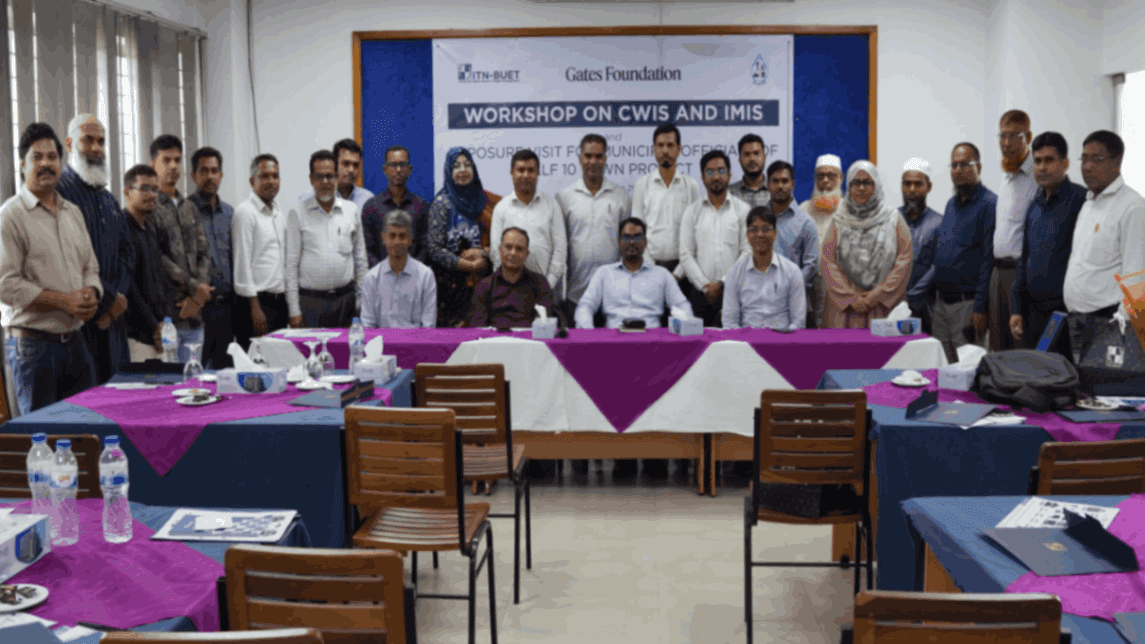
Through this partnership, ITN-BUET and SNV will jointly support mentor cities in demonstrating scalable best practices in fecal and solid waste management (FSM and SWM) business models, Integrated Municipal Information Systems (IMIS), enforcement strategies, and greywater management. ITN-BUET will take the lead in developing climate-resilient WASH training modules, with technical collaboration from SNV, to be rolled out across government institutions and sectoral partners. The agreement also promotes knowledge exchange through platforms like SaniTalk Café and City-San Connect. Drawing on SNV’s Sustainable Urban Water Cycles (SUWC) approach, the collaboration will further integrate water, sanitation, and hygiene (WASH) systems into inclusive, climate-resilient urban planning.
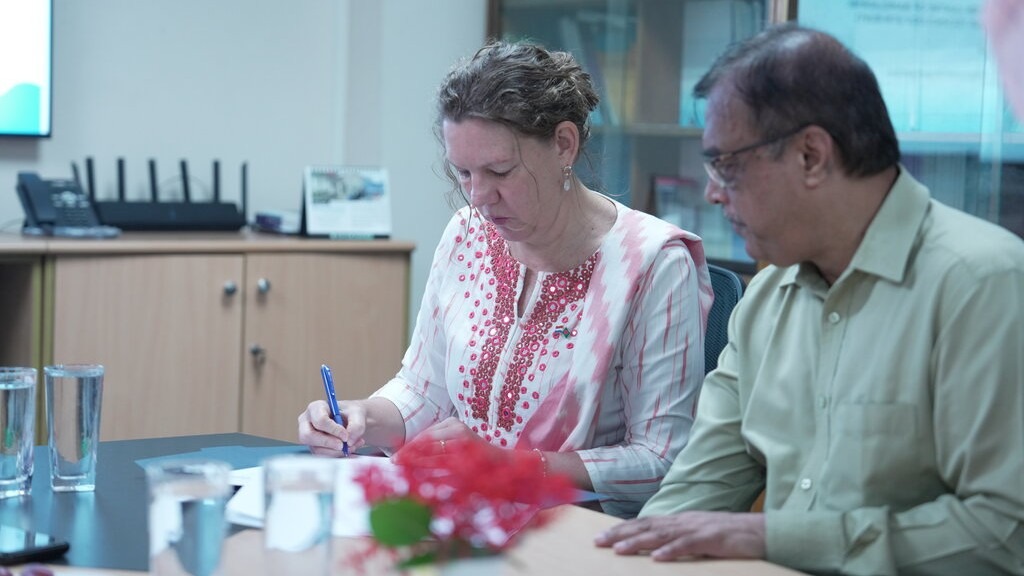
“This is more than a signature—it’s a genuine partnership with your institution and people,” said Ismene R.A.C. Stalpers, Country Director of SNV Bangladesh, emphasizing the need for long-term collaboration to drive systemic change in governance and practice.
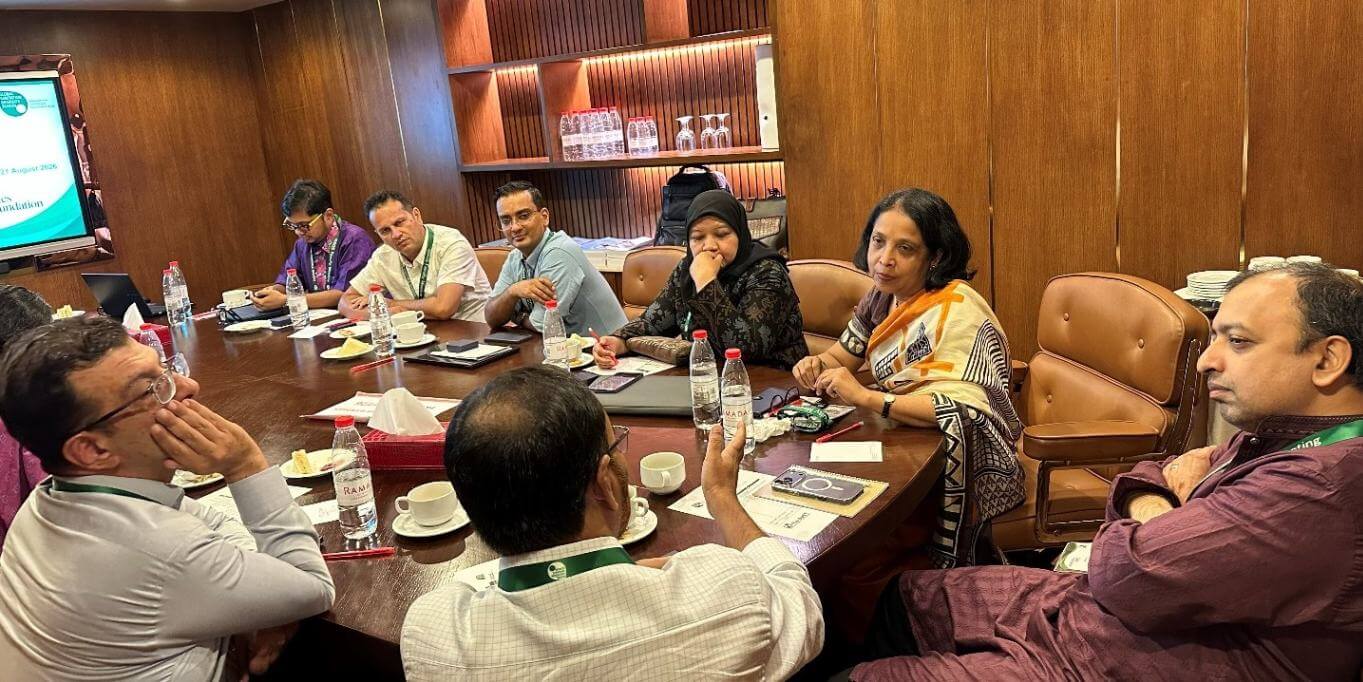
To deepen sectoral impact, ITN-BUET and SNV will co-host policy dialogues and roundtables involving government, donors, and development partners. These efforts aim to promote evidence-based policymaking and scale local innovations nationally. The partnership underscores both organizations’ shared commitment to inclusive, sustainable, and climate-resilient urban sanitation aligned with Bangladesh’s development goals and SDG 6.