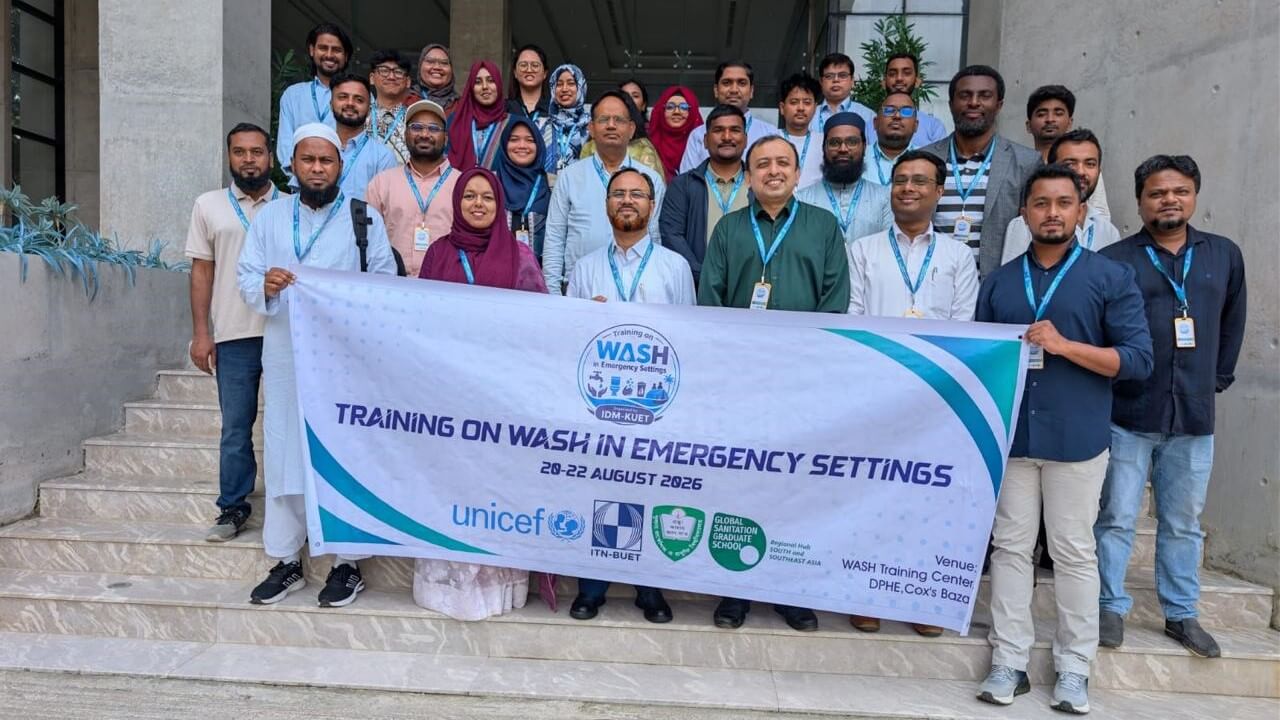

Recognizing the critical role of water supply, sanitation, and hygiene (WASH) in public health, particularly during emergencies, the Global Sanitation Graduate School Regional Hub for South and Southeast Asia (GSGS RH SSEA), in collaboration with the Faculty of Civil and Environmental Engineering at Institut Teknologi Bandung (ITB), Indonesia, organized the Integrated WASH (I-WASH) Summer Course 2025 on the theme “WASH in Emergency Settings.” The course was held from 12 July to 13 August 2025, combining online lectures with immersive field-based training in Indonesia.
The I-WASH Summer Course equips young professionals with knowledge and hands-on skills to address WASH challenges in humanitarian contexts. This year’s program brought together 27 participants, including 14 female students, from across South and Southeast Asia. Participants represented ITN-BUET, the Asian Institute of Technology (AIT), Mahidol University, Pokhara University, and ITB Bandung, fostering international collaboration and cross-cultural learning.
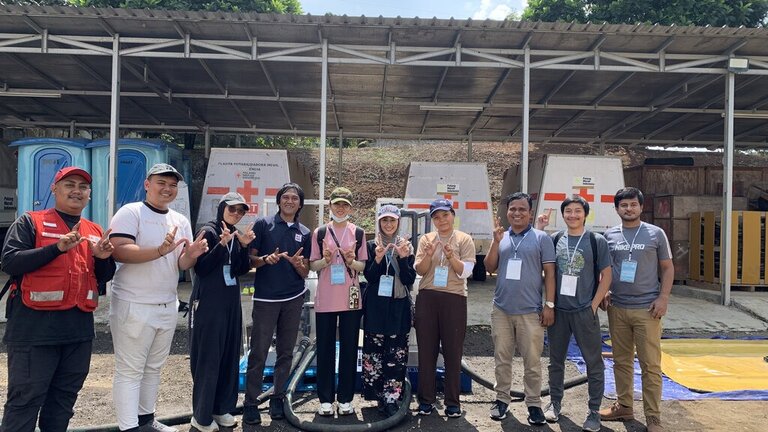

The curriculum covered a wide range of WASH topics, including water security and health risks, sanitation in disaster-prone areas, fecal sludge management in Rohingya camps, climate-resilient WASH, digital monitoring tools, excreta management in emergencies, and SPHERE humanitarian standards. Notably, the session on Excreta Management in Emergencies: Challenges and Innovations focused on the Emergency Sanitation Operation System (eSOS) toilet, conducted by Prof. Damir Brdjanovic (IHE Delft Institute for Water Education), while the session on Fecal Sludge Management in Rohingya Camps in Bangladesh was delivered by Mr. Maharam Dakua (ITN-BUET). Other sessions were led by a distinguished panel of experts, including Prof. Dr. Ing. Ir. Prayatni Soewondo (ITB); Asst. Prof. Dr. Nawatch Surinkul (Mahidol University); Maraita Listyasari (UNICEF); Dr. Dyah Wulandari Putri (ITB); Dr. Ahmad Soleh Setiyawan (ITB); Isha Basyal (GWSC, AIT); and Syarif Hidayat (ITB). In addition, the Indonesian Red Cross Society (PMI) facilitated practical training sessions, further enriching the program with real-world humanitarian perspectives.
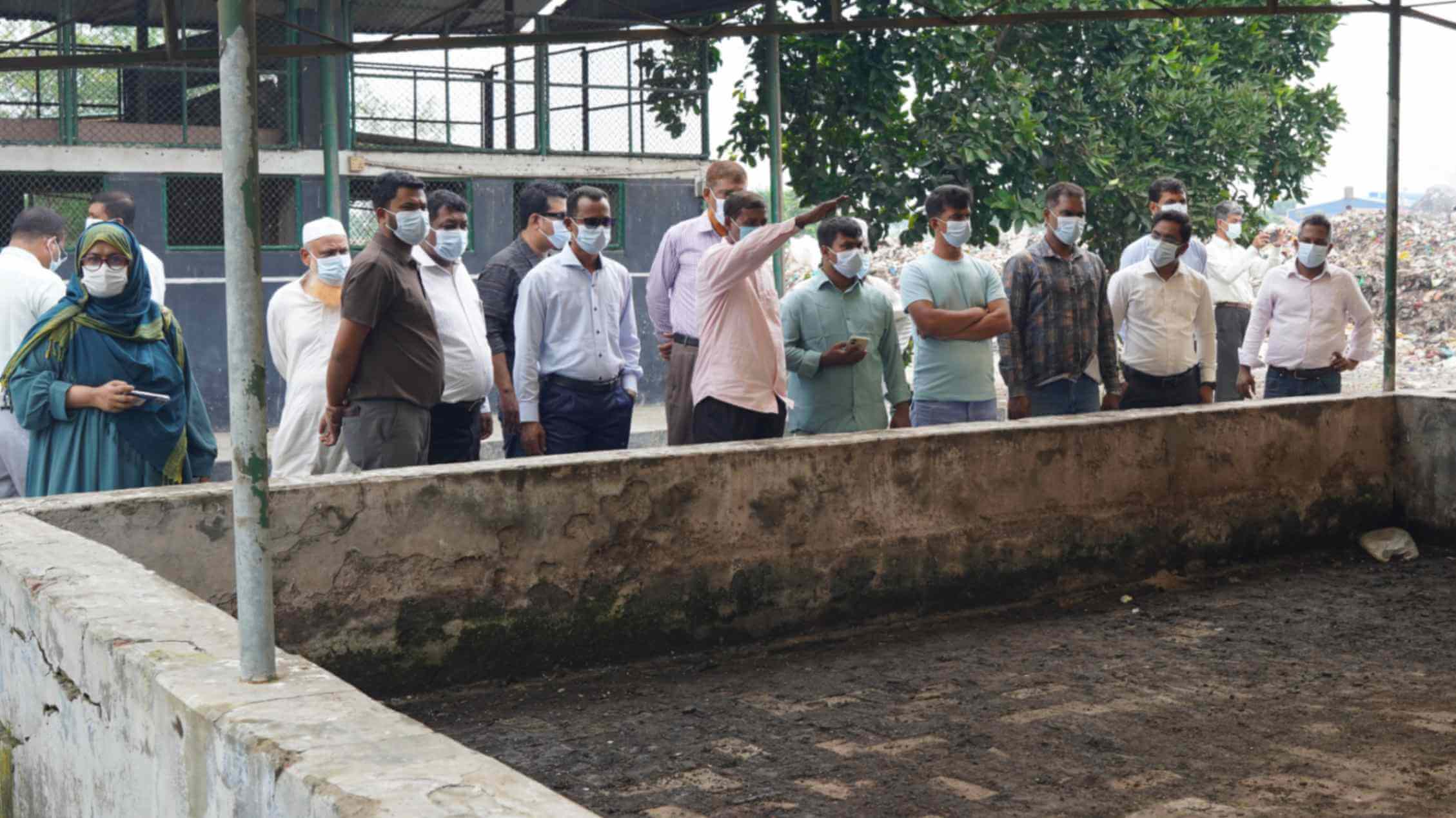
Field-based training in Jatinangor, West Java, enabled participants to move beyond theory at the Indonesian Red Cross training facilities, where they practiced emergency water treatment and sanitation solutions such as operating portable treatment units and constructing temporary toilets and handwashing facilities, simulating real disaster scenarios. These sessions provided participants with valuable technical expertise and problem-solving skills, preparing them as future WASH professionals capable of responding effectively in humanitarian crises.
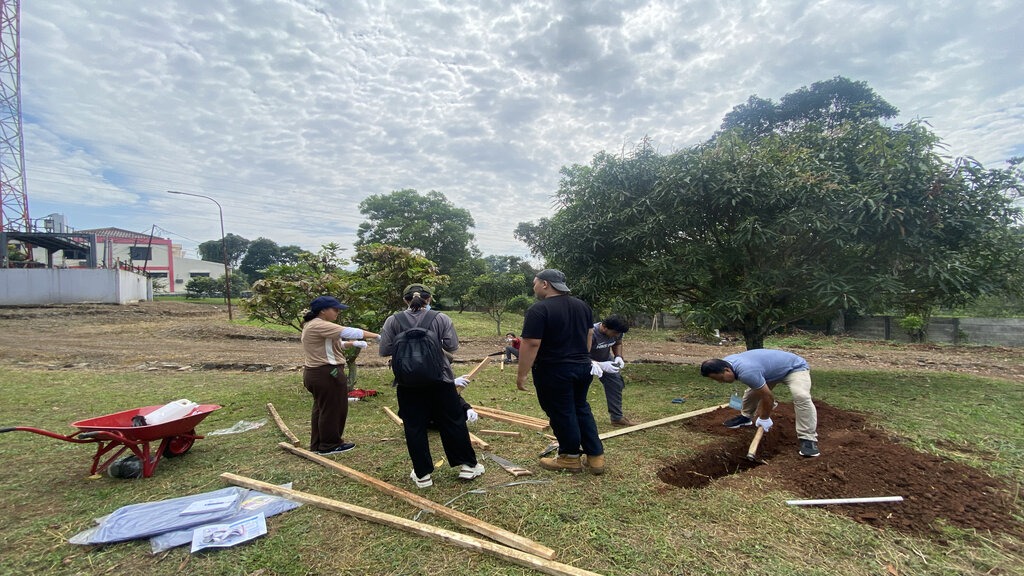

Reflecting on the experience, Md. Rafiqul Islam, the participant representing ITN-BUET, shared: “From the drawing board to the muddy field, I-WASH turned theory into muscle memory. Setting up portable treatment units, applying SPHERE standards, and building rapid latrines with regional peers showed me that climate-resilient WASH is about speed and dignity as much as technology, lessons I’m bringing back to serve communities in Bangladesh.”
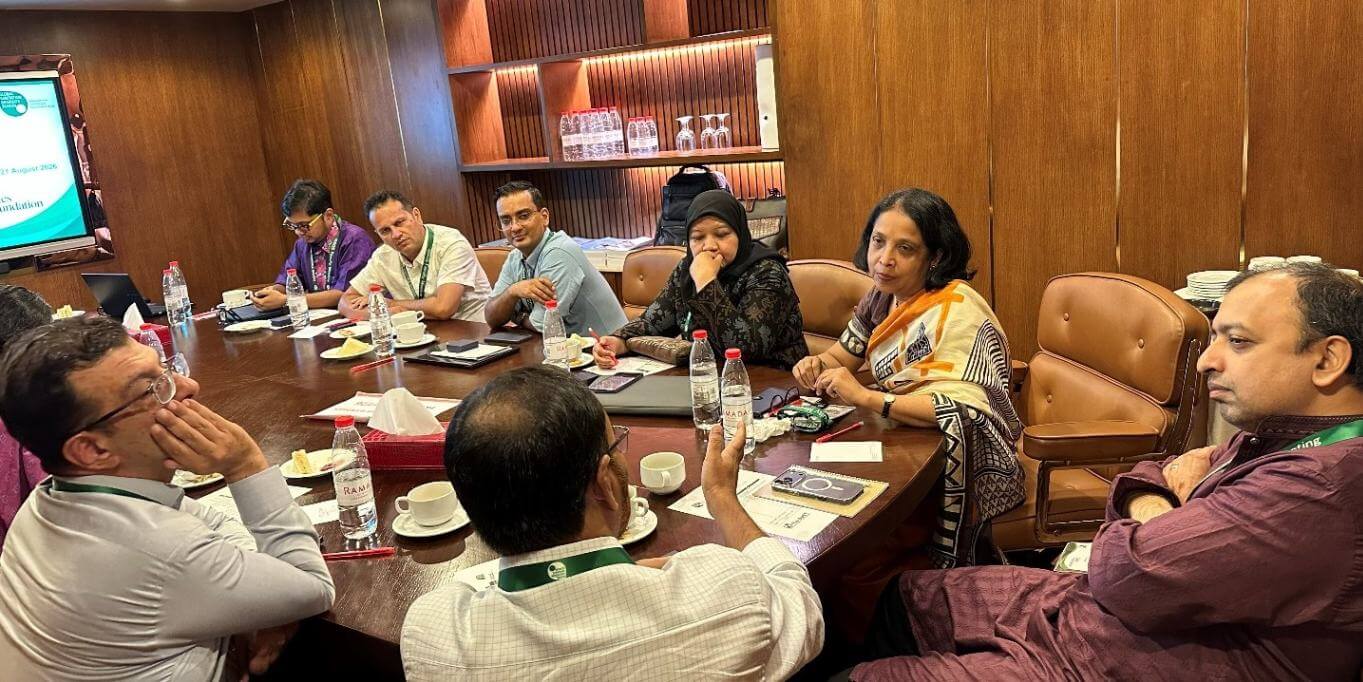
Prof. Dr. Tanvir Ahmed, Regional Director of GSGS RH SSEA, participated in several sessions and side events as a distinguished speaker and panelist. At the opening ceremony of the International Summer Course, he delivered a keynote presentation on “Climate Resilient Sanitation Technologies and Services.” He highlighted how climate change impacts sanitation systems, drawing on examples from Bangladesh and the region, and stressed the importance of resilient designs that adapt to floods, cyclones, and rainfall variability. Prof. Ahmed also emphasized sanitation’s role in both adaptation of climate change and mitigation, urging greater attention to the sector in global climate policy discussions. As a panelist, he addressed questions on practical sanitation interventions, such as the function of soak pits in hilly regions and how to select appropriate technologies considering natural hazards. He also introduced a renewed definition of climate resilience in WASH, stressing that sanitation is vital not only for protecting health and livelihoods but also for reducing greenhouse gas emissions.
On the final day of I-WASH 2025, Prof. Ahmed, as a resource person, delivered an insightful lecture on gender equality and inclusiveness in WASH. His session emphasized designing WASH facilities that are safe, inclusive, and responsive to the needs of women and vulnerable groups. In his concluding remarks, he highlighted the global shortage of skilled WASH professionals and encouraged participants to continue contributing to this vital field. The program ended with an award ceremony, celebrating the commitment and achievements of all participants.
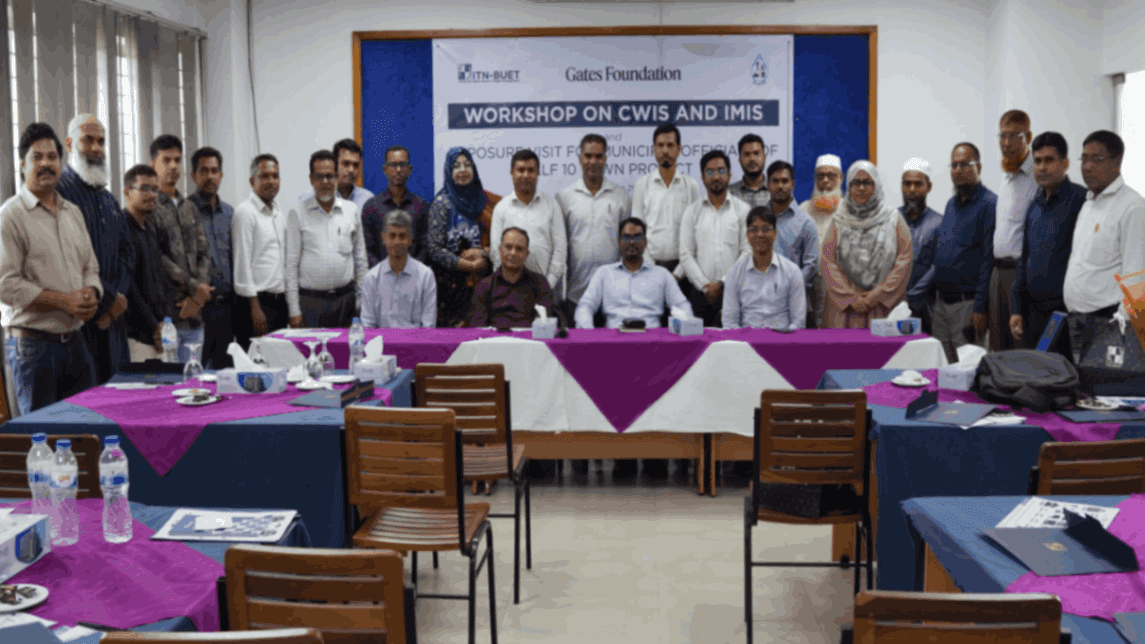
Participation in the I-WASH Summer Course 2025 reflects ITN-BUET’s ongoing role in strengthening regional collaboration in WASH education through its partnership with the GSGS RH SSEA. As the Bangladesh hub, ITN-BUET remains committed to creating opportunities for Bangladeshi students and professionals to engage in global knowledge networks, develop hands-on expertise, and contribute to addressing pressing humanitarian and environmental challenges.
To view additional photos, please visit: [link]