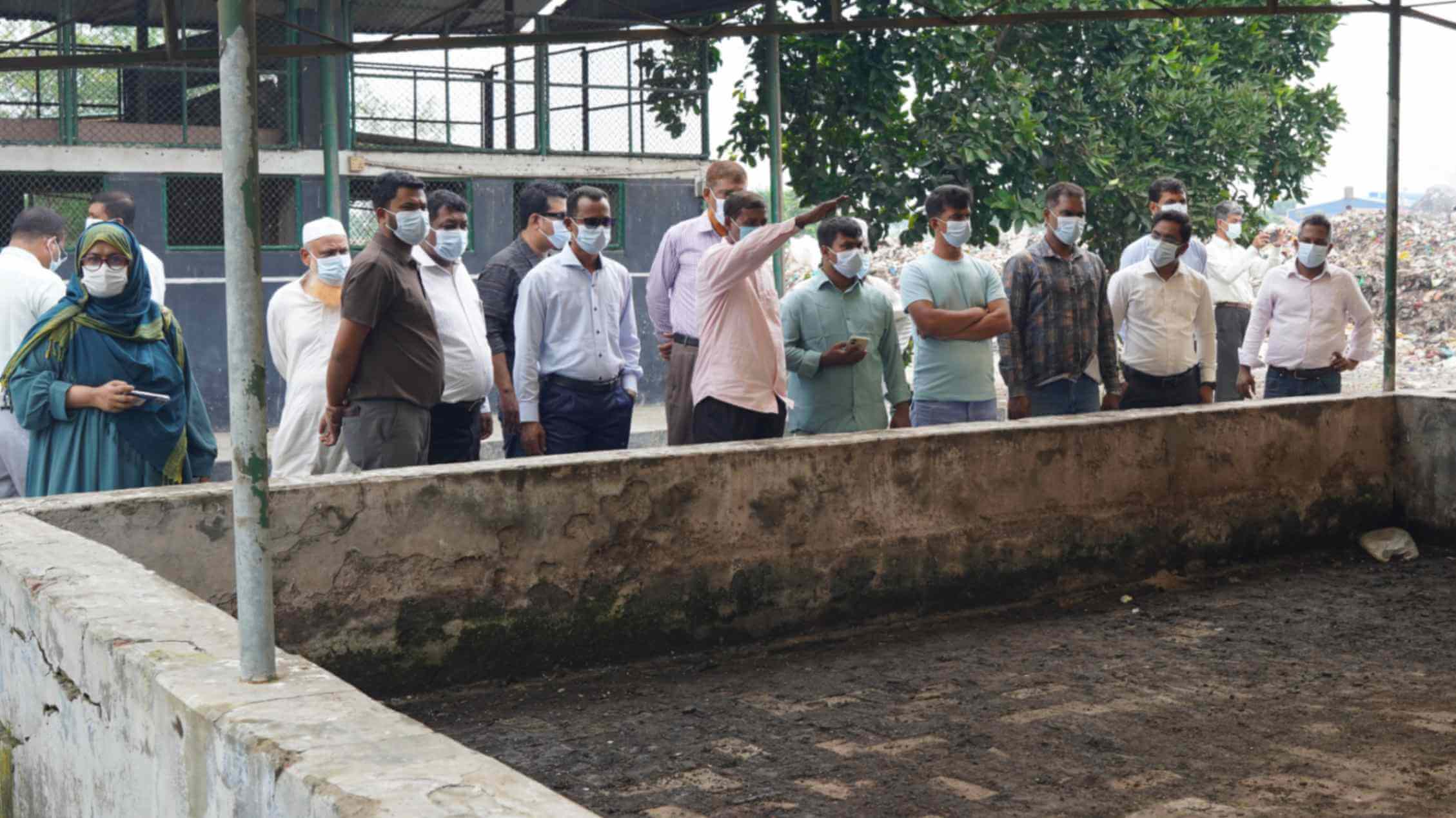

The Department of Public Health Engineering (DPHE) has installed the first-ever Omni Processor (OP) plant in Bangladesh under the Emergency Assistance Project at Rohingya Camp-4, Cox’s Bazar. Being a centralized thermal-based technology that treats fecal sludge from non-sewered sanitation systems, Omni Processor simultaneously recovers valuable by-products such as clean water, ash, and electricity. Thus, OP technology has more efficiency than the conventional systems and holds significant potential for replication in urban areas of Bangladesh.
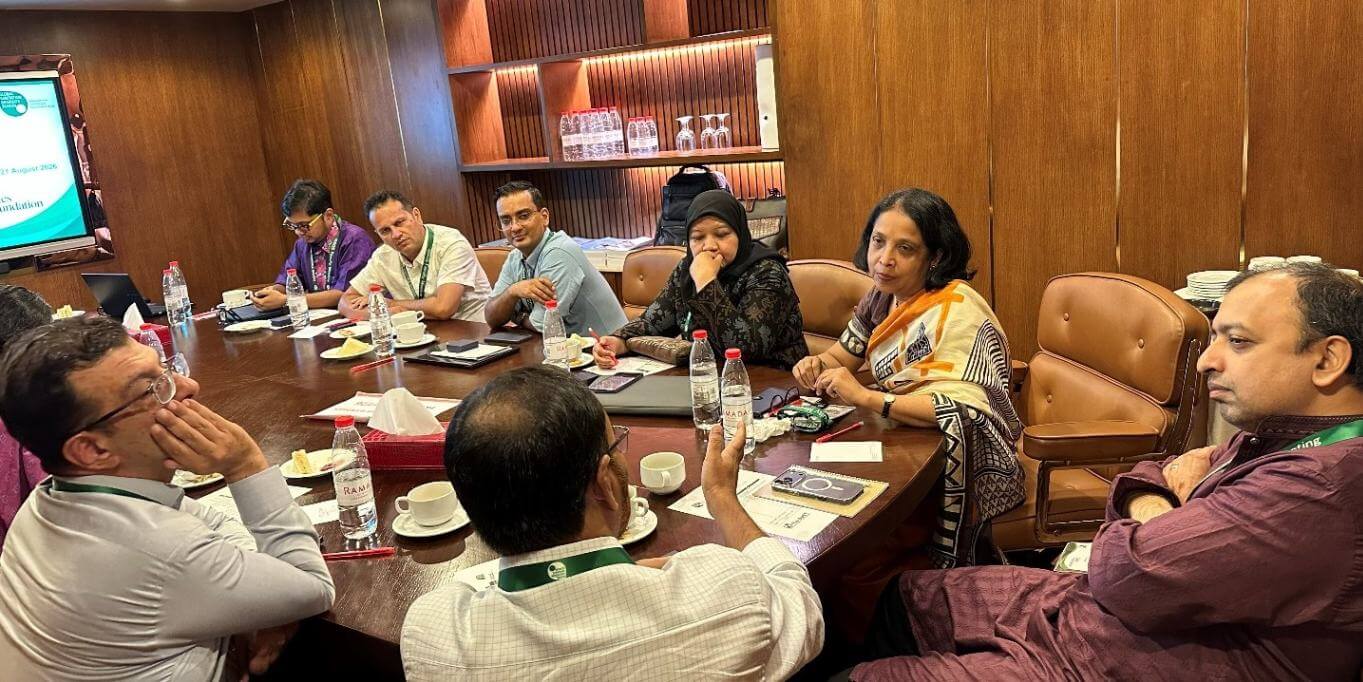
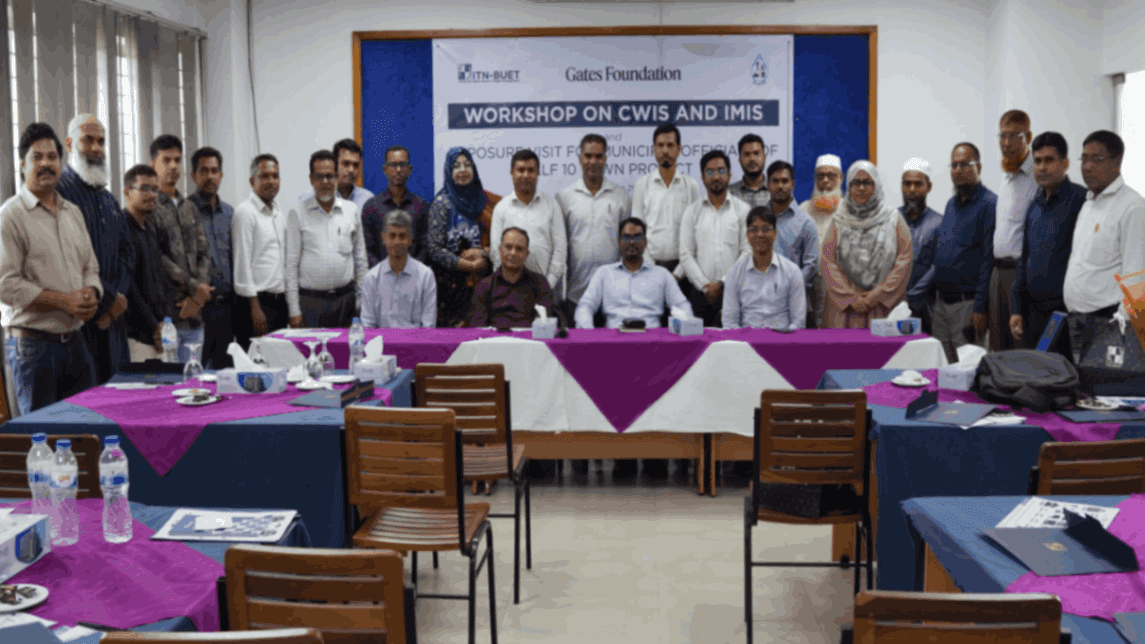
Under this backdrop, ITN-BUET, in collaboration with AIT-GWSC, organized a two-day workshop on September 23–24, 2025, to explore the scalability of OP across the country. The event brought together more than 20 senior officials from the Department of Public Health Engineering (DPHE), representatives from academia and research institutions, with the aim of providing strategic and technical guidance for the national deployment of OP technology and enhancing the capacity of the stakeholders involved in sanitation service delivery in Bangladesh.
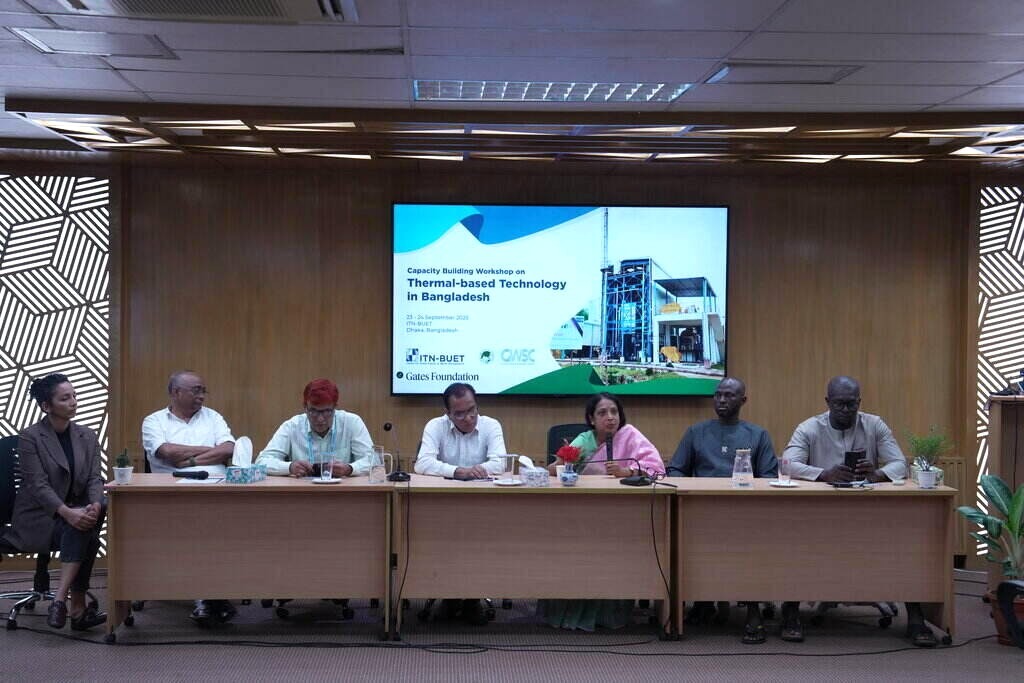
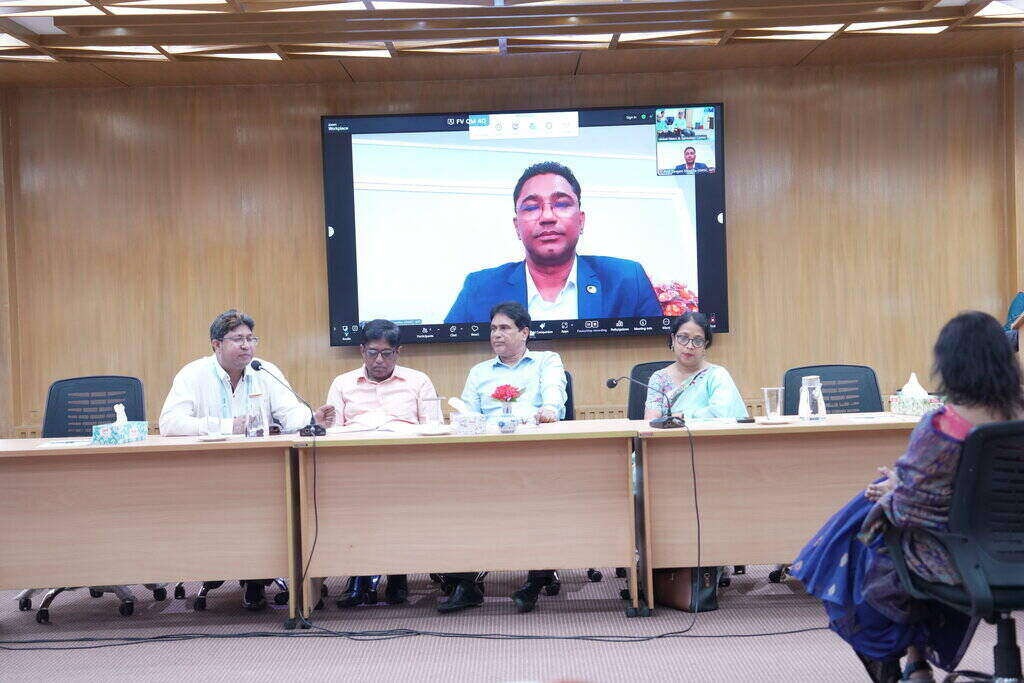
The opening ceremony was graced by Mr. Mir Abdus Shahid, Chief Engineer, DPHE, Md. Eheteshamul Russel Khan, Additional Chief Engineer (Planning), DPHE, Mr. Mohammad Golam Muktadir, Project Director, Emergency Assistance Project, DPHE, and Prof. Dr. Rowshan Mamtaz, Director, ITN-BUET. In the opening remarks, Mr. Shahid emphasized the importance of adopting innovative technologies to achieve sustainable urban waste management and national sanitation goals. Joining virtually, Prof. Sangam Shrestha, Co-Director, AIT-GWSC, highlighted the objectives and expected outcomes of the workshop, underscoring the role of thermal-based technologies in advancing sustainable urban sanitation and waste management solutions.
International experts led the technical sessions of the workshop, sharing global and local insights on Omni Processor (OP) technology. Mr. Mansour Fall, Senior Consultant at the Gates Foundation, described the evolution of OP with its resource recovery and economic benefits. Mr. Saibal Ghosh, Technical Advisor at the Foundation, outlined how to develop a viable OP project—from initial studies to technical specifications. Mr. Roman Ryndin, Technology Expert from UPM, discussed how OP can align with national plans and presented a specific tool for the Bangladesh context to assess its feasibility. Mr. Modou Fall, CEO of IANOVA, highlighted the financial viability and sustainable business models for OP projects.
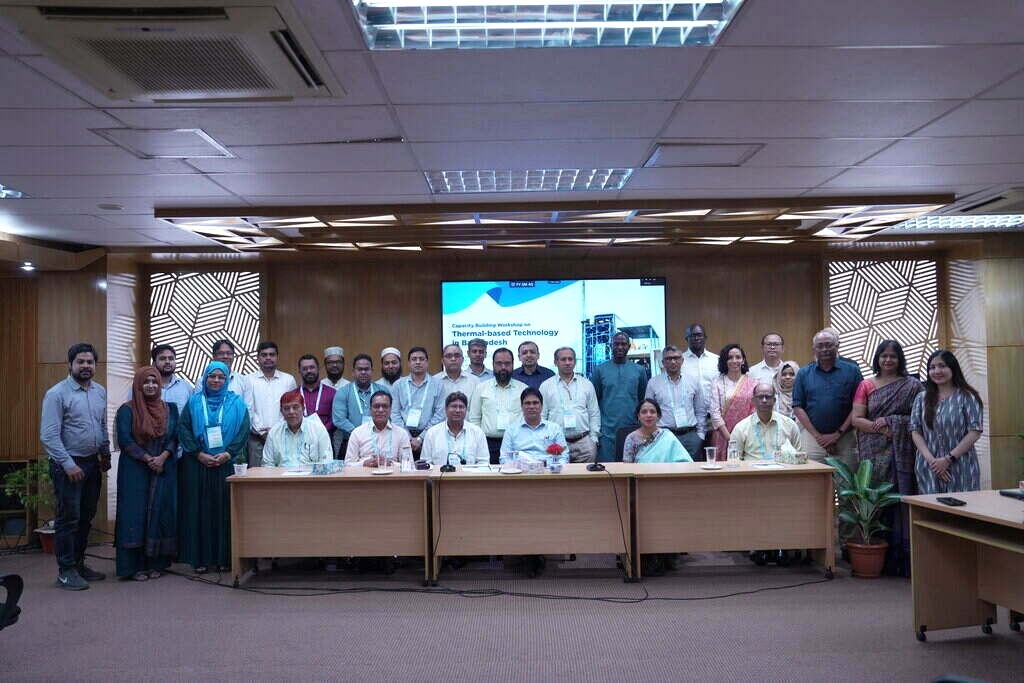
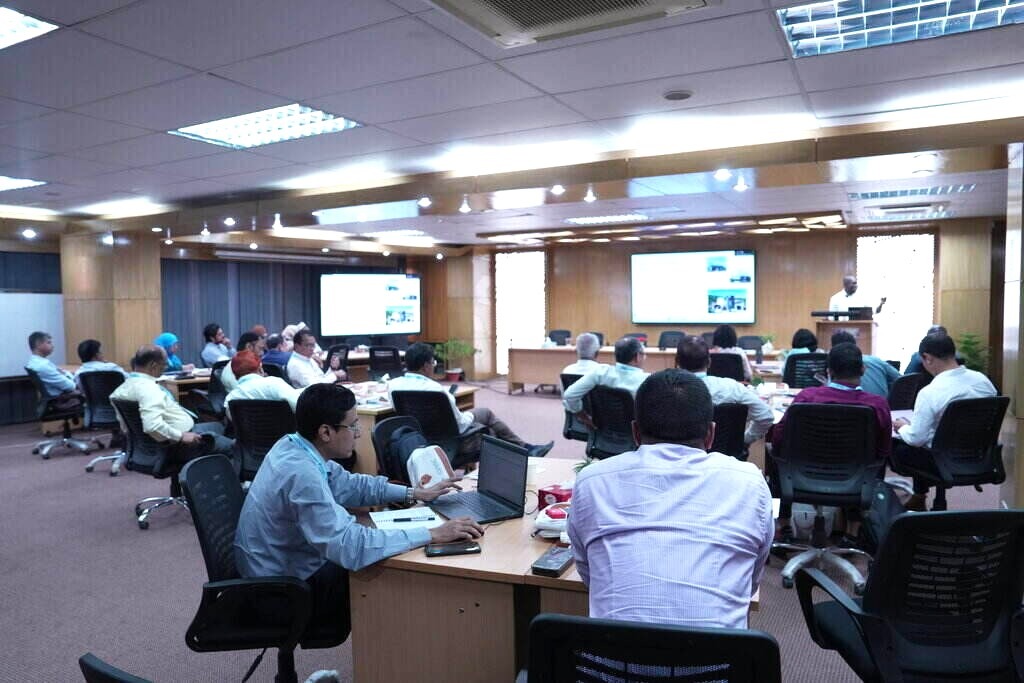
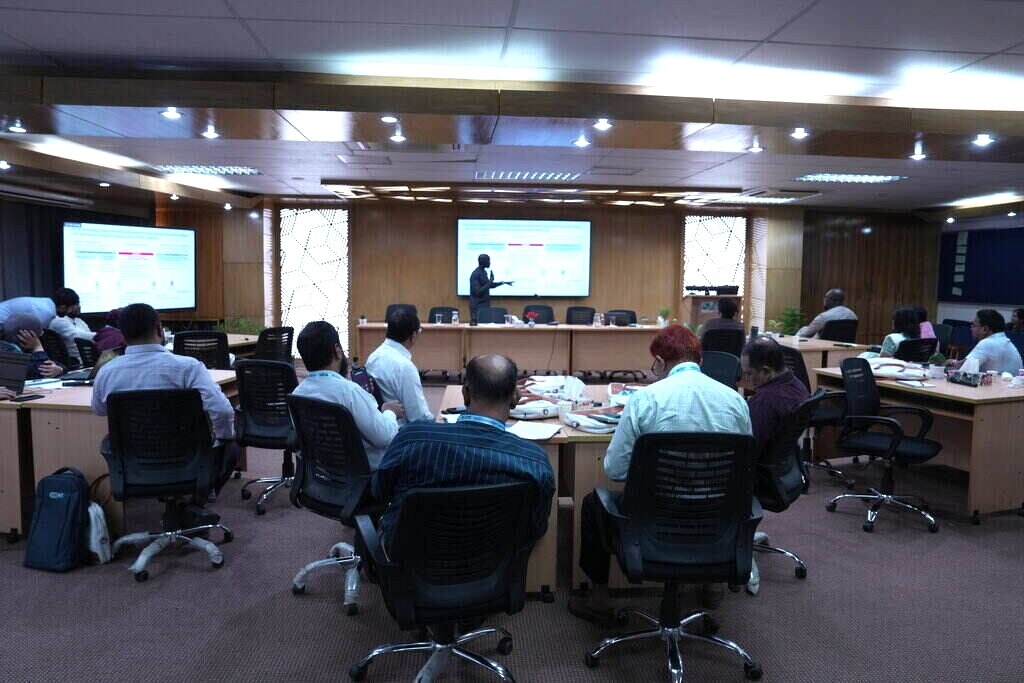
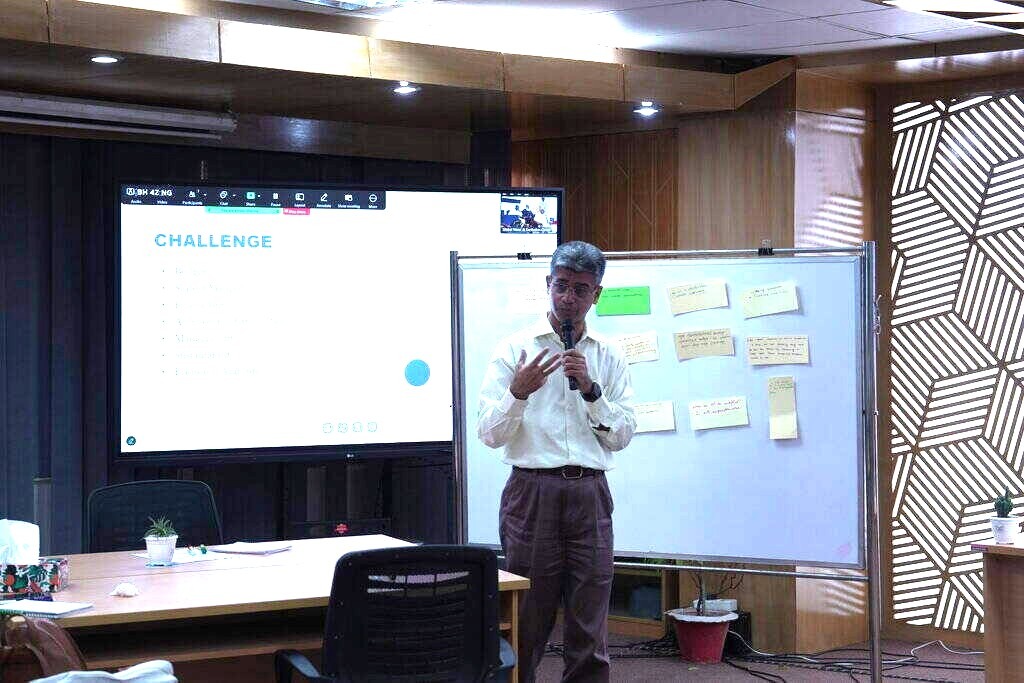
In the final session, Mr. Alauddin Ahmed, Project Manager at ITN-BUET, led group discussions on challenges and solutions for scaling up thermal-based technologies. Participants suggested simplifying system design, strengthening operation and maintenance, improving policy support, and engaging academia in research and training for the sustainability of thermal-based technology. They identified densely populated urban areas as ideal for OP implementation. Participants also stressed reducing costs, involving local manufacturers, and ensuring unified management. Mr. Md. Wazed Ali, Project Director of the 23 Towns Project, DPHE, emphasized the importance of a strong O&M plan and third-party involvement for project success.
Concluding the event, Isha Basyal, Deputy COO, AIT-GWSC, conveyed her appreciation for the enriching and collaborative event. Prof. Dr. Rowshan Mamtaz expressed gratitude to participants and resource persons and underscored the importance of OP technology for sustainable waste and fecal sludge management in Bangladesh. She emphasized that scaling up such innovations nationwide could be a vital step toward achieving safe and sustainable sanitation.