
Bangladesh faces increasing challenges in Water, Sanitation and Hygiene (WASH) and waste management due to rapid urbanization, climate risks, public health concerns, and growing regulatory complexity. Addressing these issues requires multidisciplinary expertise and advanced professional capacity. However, the country currently lacks a dedicated postgraduate degree focused exclusively on WASH and Waste management.
To address this critical gap, the International Training Network at the Bangladesh University of Engineering and Technology (ITN-BUET) has taken a significant step toward strengthening professional capacity in the sector. ITN-BUET is planning to introduce the country’s first dedicated postgraduate diploma (PGD) in WASH and Waste Management, aimed at meeting the growing demand for multidisciplinary expertise. The proposed program seeks to respond to the increasing pressures on urban services arising from rapid urbanization, climate risks, public health concerns, and evolving regulatory complexities.
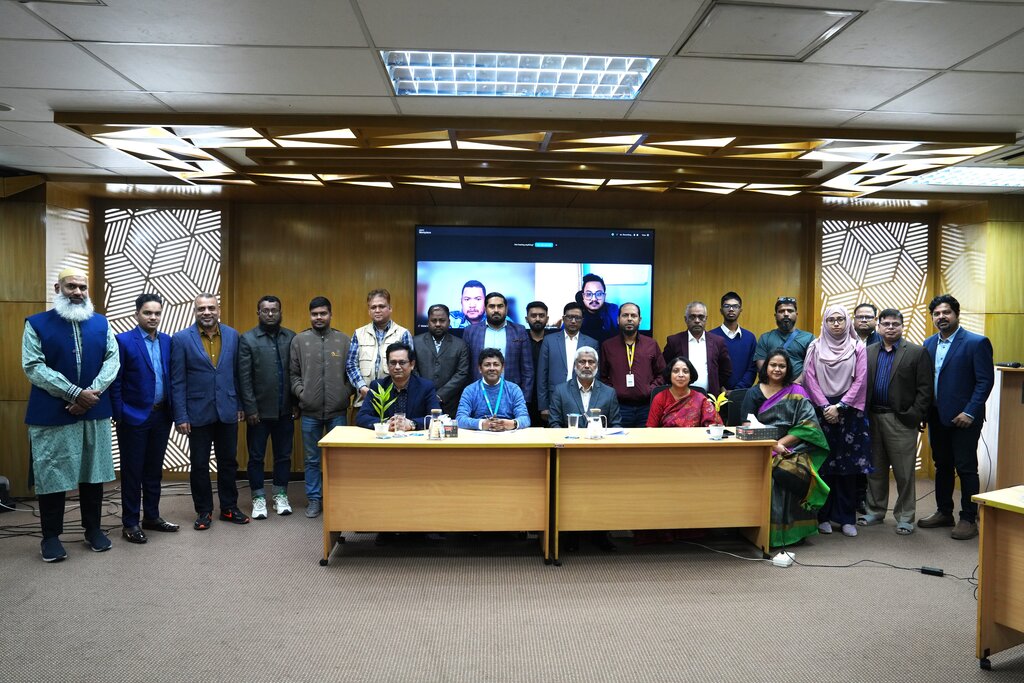
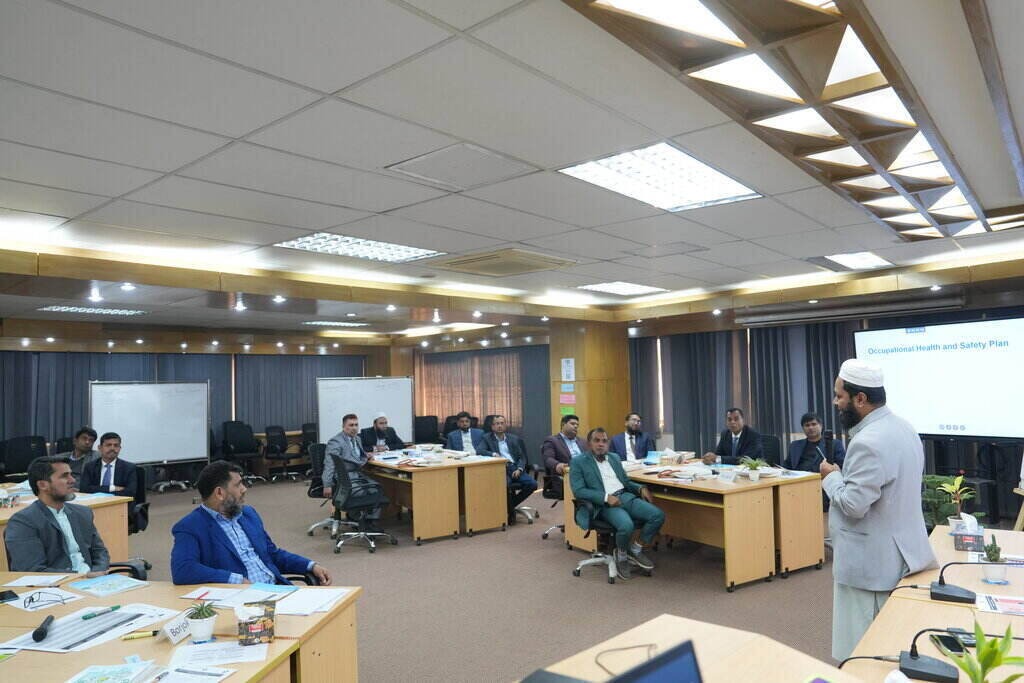
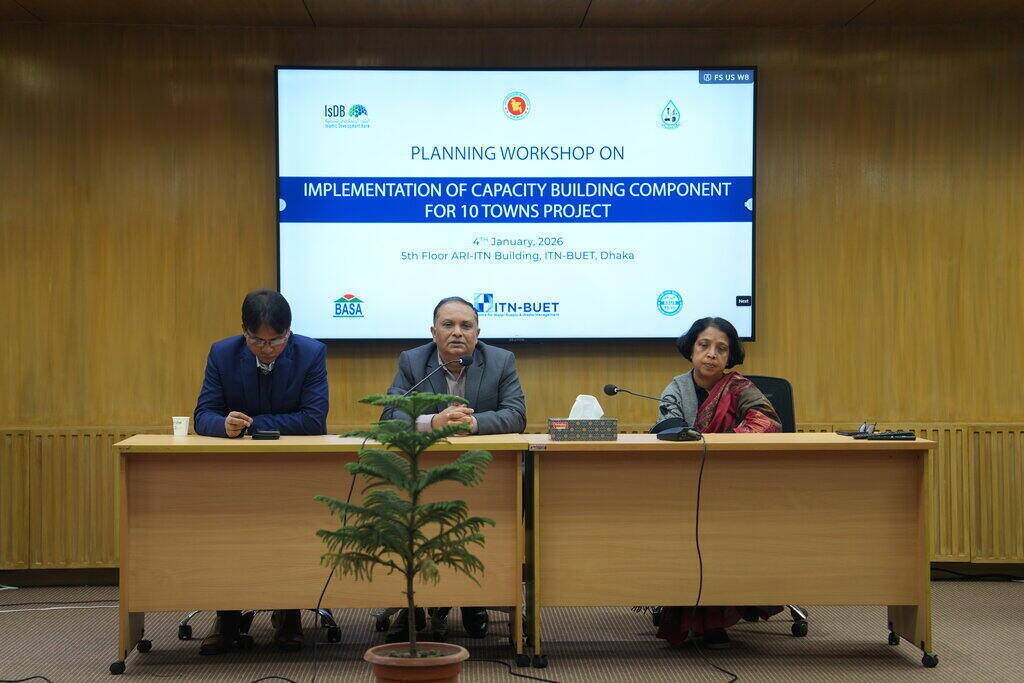
To gather expert input, ITN-BUET organized a Consultation Workshop on 3 February 2026 to discuss the potential introduction of a Postgraduate Program focused exclusively on WASH and Waste Management. The workshop brought together 29 representatives from government agencies, development partners, research institutions, NGOs, and the private sector, including the Department of Public Health Engineering, Local Government Engineering Department, WaterAid Bangladesh, icddr,b, SNV, and the World Bank.


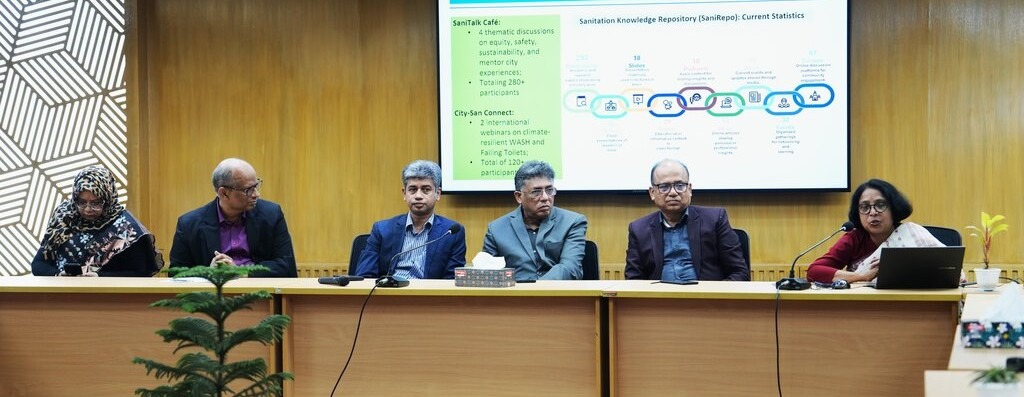
The workshop theme focused on bridging academic rigor with practical sector needs. Prof. Dr. Rowshan Mamtaz, Director of ITN-BUET, in her keynote presentation highlighted the institution’s long-standing contributions to national WASH policy development, capacity building, and applied research. She emphasized the need for a dedicated, practice-oriented postgraduate program aligned with national priorities and global best practices.
An assessment form was shared with participants during the workshop to gather their feedback and recommendations on the proposed program’s structure, content, and delivery approach. To ensure broader sectoral input, the form will also be circulated among relevant stakeholders across government, development partners, academia, and the private sector. The responses will help refine the curriculum and ensure that the program reflects the practical needs and priorities of the WASH and waste management sectors.
Participants expressed strong support for the initiative and recommended a multidisciplinary curriculum integrating technical, financial, legal, environmental, and social dimensions. They also proposed a flexible, modular structure, allowing professionals to pursue certificates and diploma courses with pathways toward a master’s degree.
At the closing session, Mohammad Solaiman Haider, Director of the Department of Environment, underscored the importance of addressing interconnected environmental challenges. He highlighted the need to incorporate medical and hazardous waste management within the broader sanitation and environmental health framework of the proposed program.
The workshop concluded with a consensus that a dedicated postgraduate program under ITN-BUET would help address critical national capacity gaps and strengthen sustainable WASH and waste management service delivery across Bangladesh. Feedback from the consultation will be used to refine the curriculum and program structure before formal academic approval.