
The Global Sanitation Graduate School (GSGS) continues to advance sanitation education by developing harmonized curricula, strengthening academic partners, and promoting regional knowledge exchange. Since 2018–19, GSGS has developed 10 Citywide Inclusive Sanitation (CWIS)-aligned modules, now adopted across 85 partner institutions, supporting 69 academic courses and benefiting more than 4,000 learners. To integrate recent advancements and newly developed CWIS resources into the curriculum, the GSGS Regional Hub for South and Southeast Asia (RH SSEA), in collaboration with ITN-BUET, organized a two-day Curriculum Validation Workshop on 12–13 November 2025 in Dhaka. The hybrid event enabled broad regional participation, including institutions not yet formally affiliated with the GSGS network, allowing them to engage with ongoing initiatives and explore future partnerships.
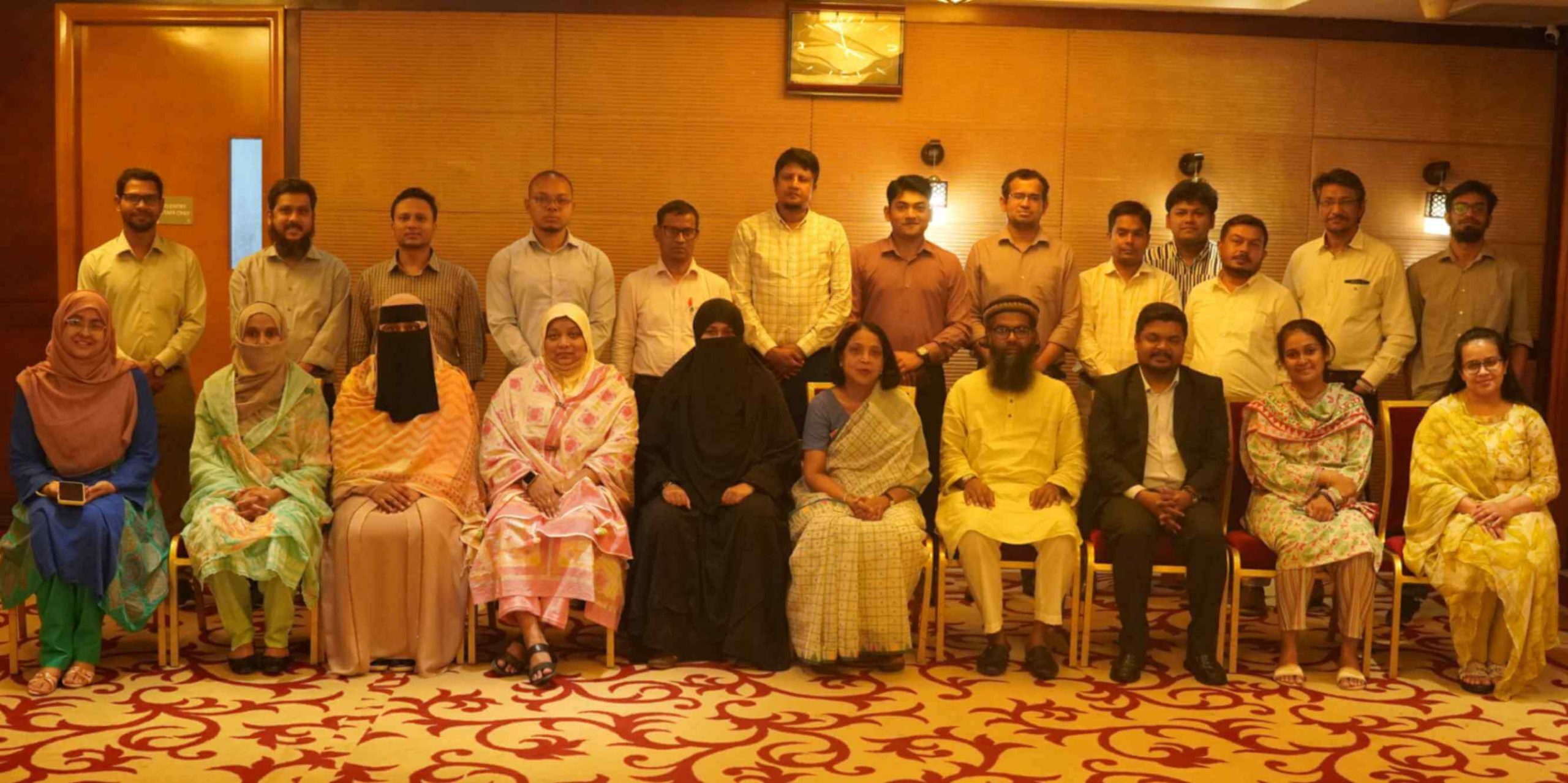
A total of 24 participants from across South and Southeast Asia attended the workshop, representing 10 academic partner universities and 3 supporting technical and capacity-building organizations. An observer from Rajshahi University of Engineering & Technology (RUET) also joined the sessions. The diverse participation reflected strong regional commitment to advancing sanitation education and harmonized academic programs across the region. Participants reviewed and validated the updated curriculum, which now includes eight core modules and a new module on Sanitation and Integrity developed by the Water Integrity Network (WIN). Discussions highlighted the need for practical examples, case studies, and regionally relevant content to enhance teaching and learning.
In the opening session, Dr. Tanvir Ahmed, Regional Director of GSGS RH SSEA, welcomed participants and highlighted the objectives of GSGS in enhancing academic capacity to address critical sanitation challenges in South and Southeast Asia and emphasizing the need for trained professionals and resources. Distinguished guests included Prof. Dr. Abu Borhan Mohammad Badruzzaman, Vice Chancellor, BUET; Prof. Dr. Rowshan Mamtaz, Director, ITN-BUET; Prof. Damir Brdjanovic, GSGS Global Director; Dr. Roshan Raj Shrestha, Deputy Director for WASH, Gates Foundation; Prof. Thammarat Koottatep, Co-Director, Global Water and Sanitation Center (GWSC); and Ms. Anindita Mukherjee, Consultant, Gates Foundation.
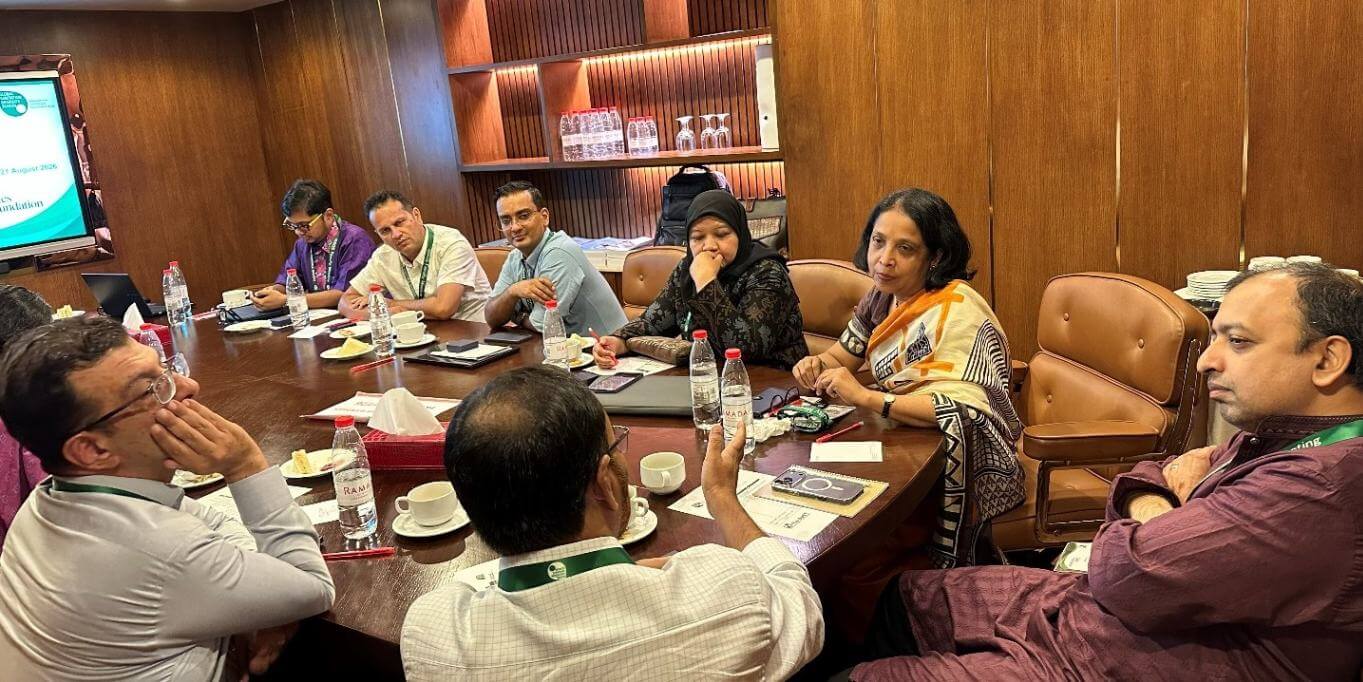
Throughout the workshop, module leads presented updates across the eight CWIS-aligned modules. Dr. Anjum Tasnuva presented Gender and Sanitation, Behaviour Change and Advocacy, and Sanitation Governance. Dr. Mohammad Ismail Hossain discussed Sanitation and Public Health, Sanitation Systems and Services, and Sanitation Finance. Dr. Md Shofiqul Islam presented Analysis of Sanitation Flows and Sanitation Technology, while Ms. Josefa Vergara (WIN) introduced Sanitation and Integrity module.
Participants provided constructive feedback on all modules, highlighting the importance of regional contextualization, coherent structure, and suitable assessment strategies for postgraduate learners. This feedback will guide the finalization of the curriculum to ensure its relevance for the next decade.
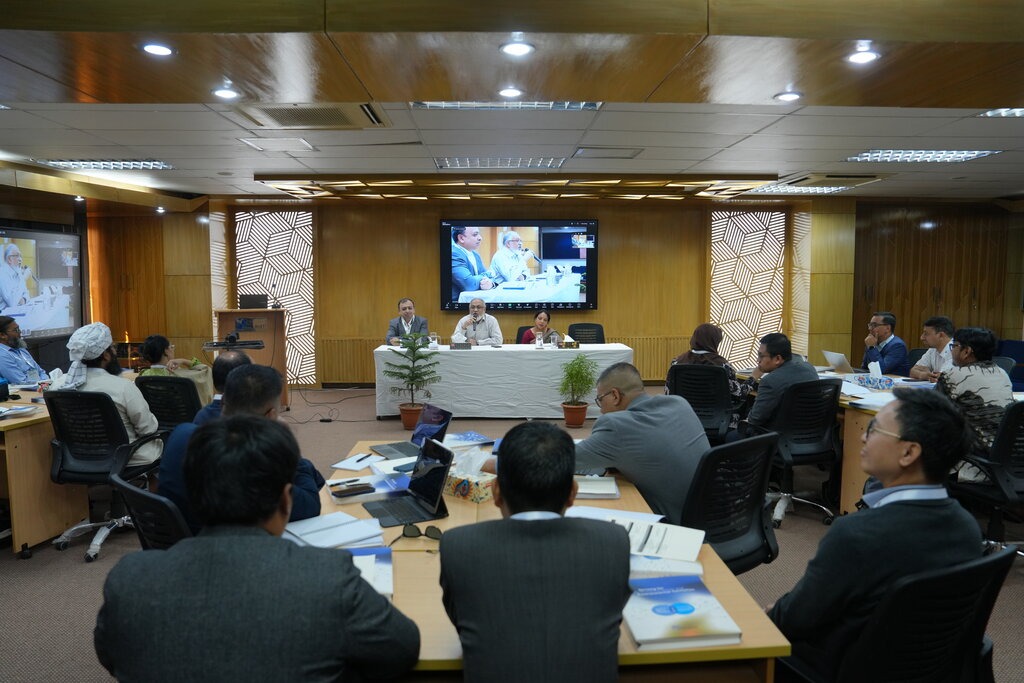
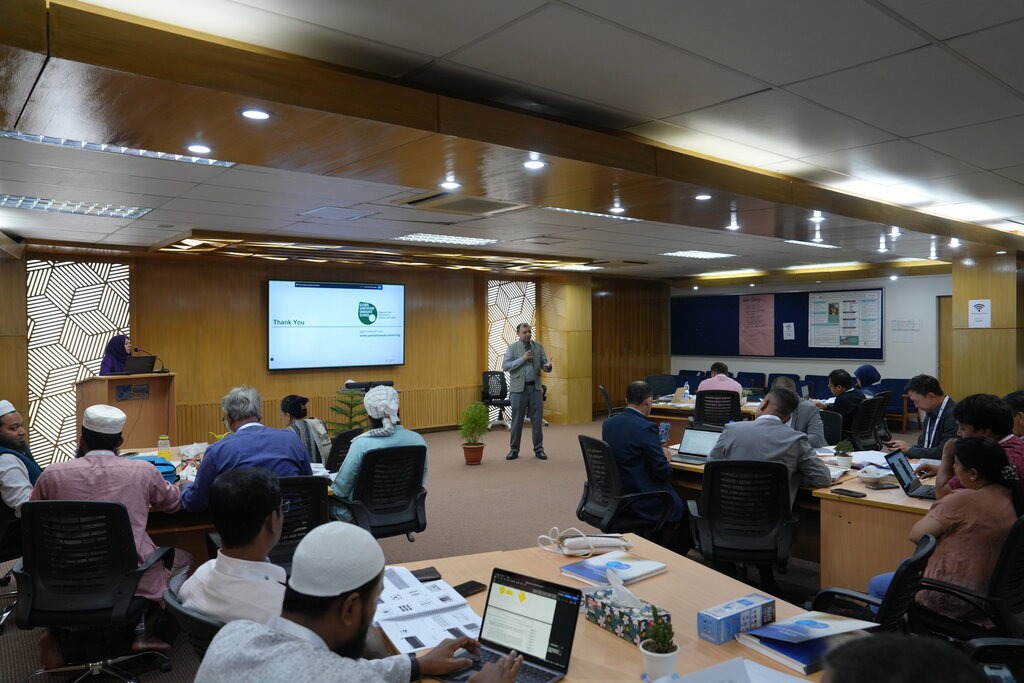
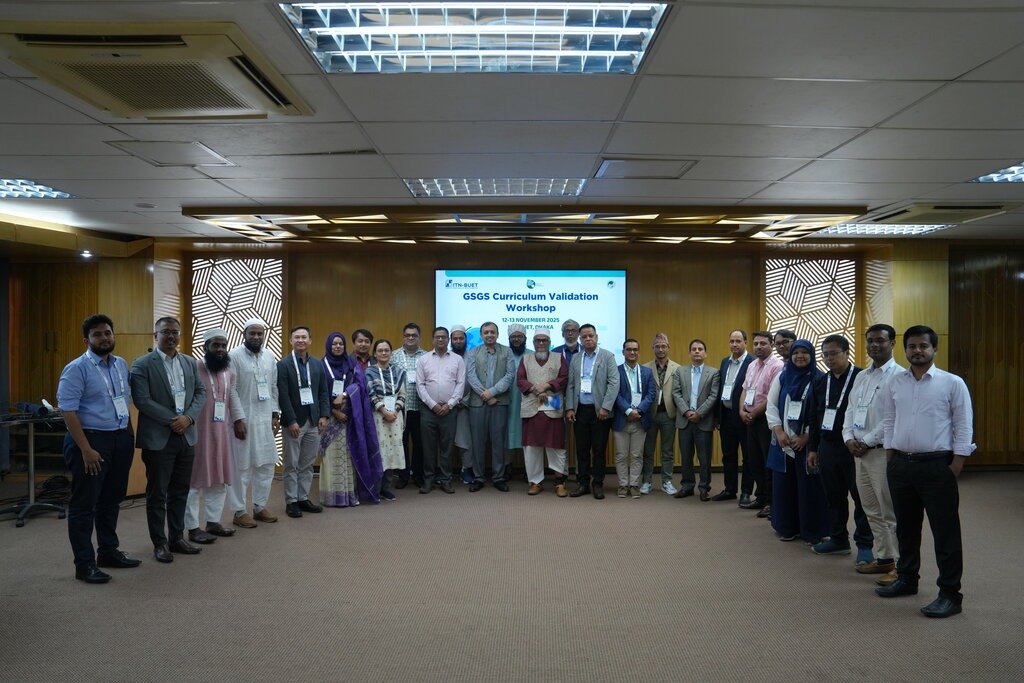
During the closing session, an open discussion addressed the services offered by the Regional Hub and the expectations of partner institutions. Participants emphasized the need for research funding for M.Sc. theses and faculty-led studies. Dr. Ahmed encouraged collaborative research initiatives among regional partners and invited universities to jointly offer cross-country courses, assuring GSGS support for such programs. He also highlighted ongoing efforts to facilitate student research in sanitation.
Prof. Damir Brdjanovic, GSGS Global Director, praised the inclusion of the new Sanitation and Integrity module alongside the existing curriculum and expressed his appreciation to participants for their feedback in validating the updated content. He also extended gratitude to ITN-BUET for supporting the organization of the workshop.
Looking ahead, GSGS RH SSEA plans to finalize and roll out the updated curriculum across partner institutions, strengthen collaborative research, and expand capacity-building initiatives for regional sanitation professionals. Future workshops will focus on implementing the curriculum, monitoring learning outcomes, and integrating emerging technologies and climate-resilient sanitation solutions to meet evolving regional needs.
The workshop reinforced ITN-BUET’s commitment to strengthening sanitation education and advancing the goals of GSGS RH SSEA through sustained collaboration, knowledge sharing, and academic leadership in the region.