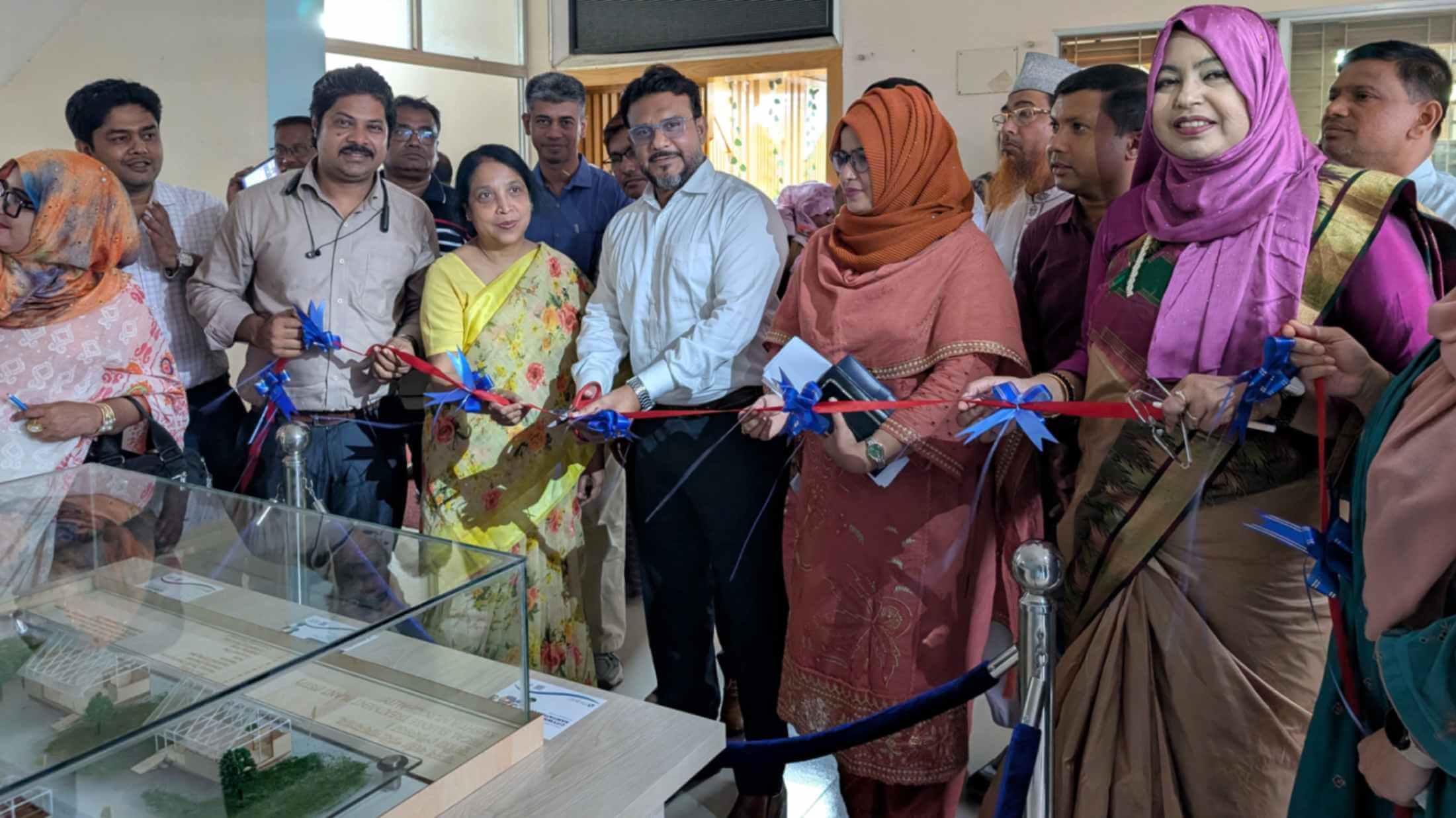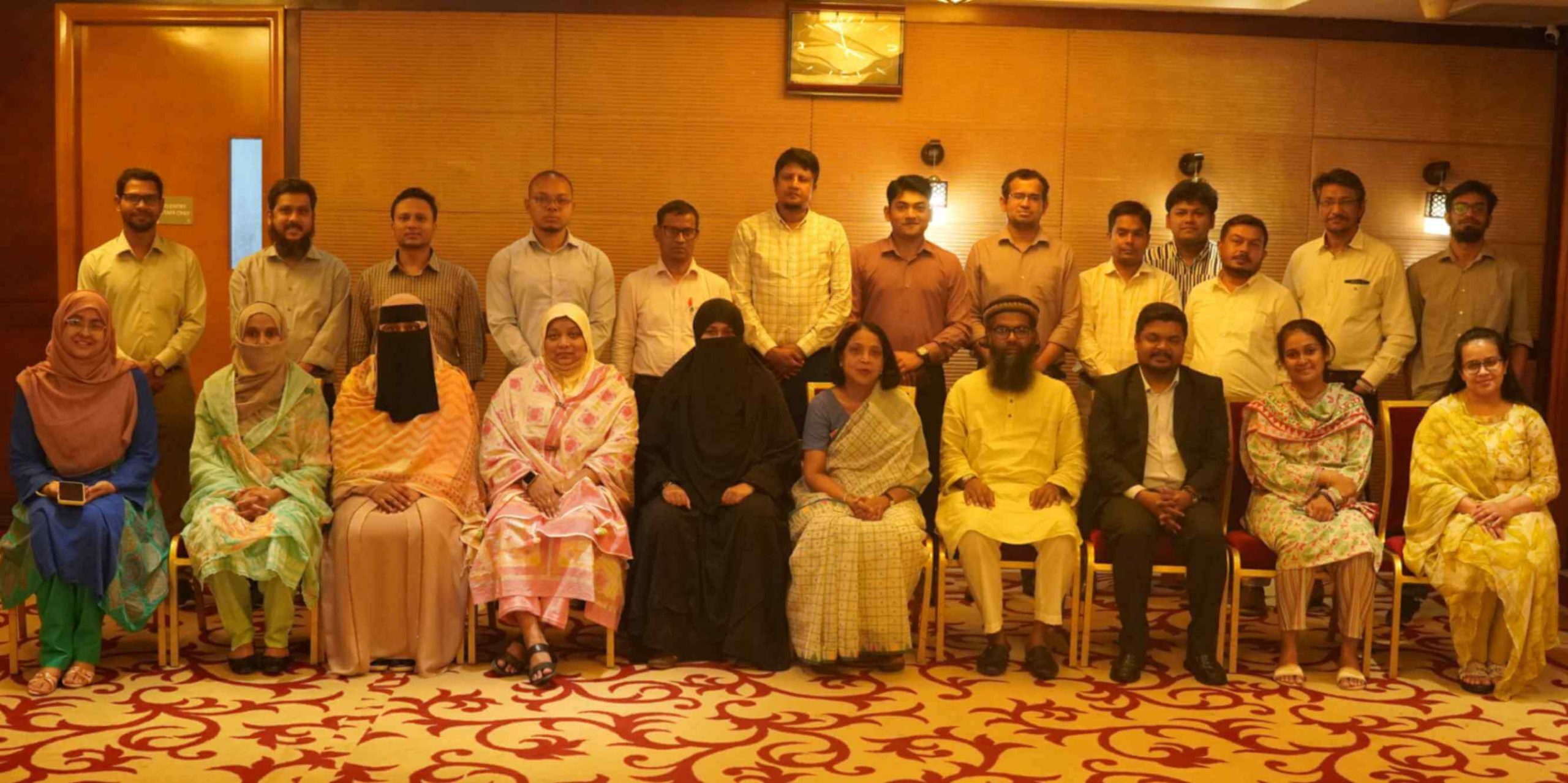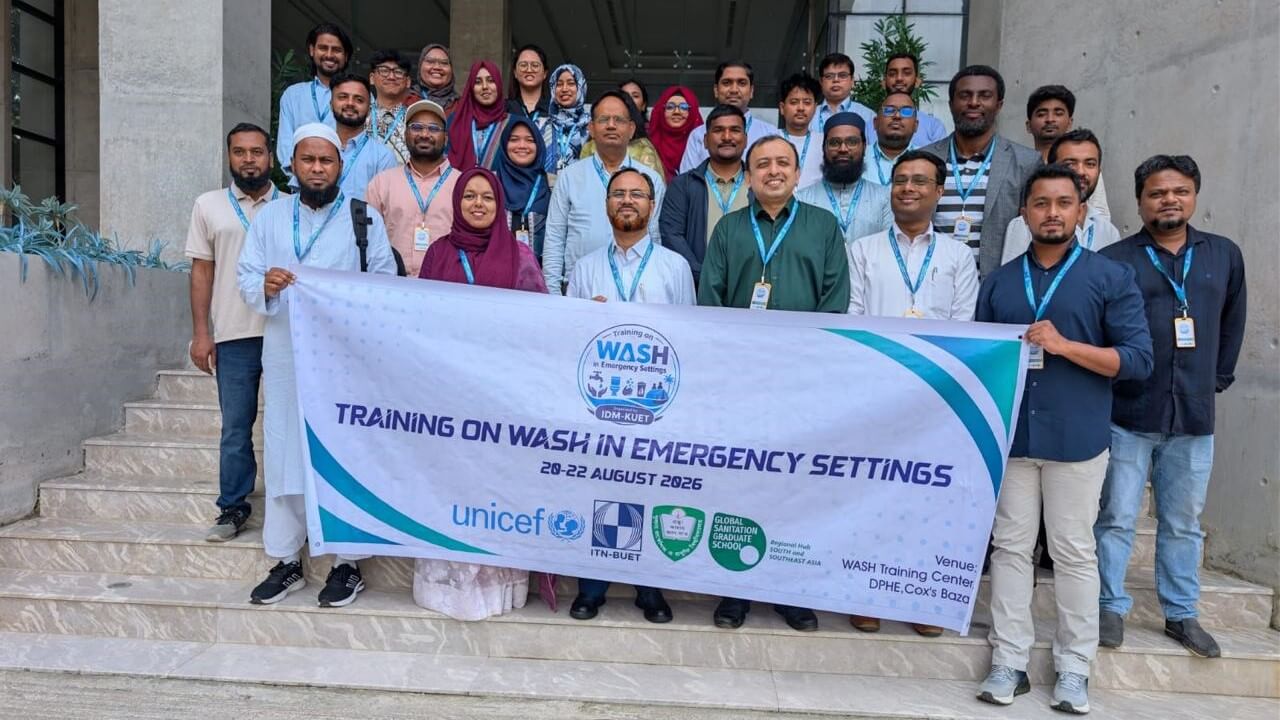

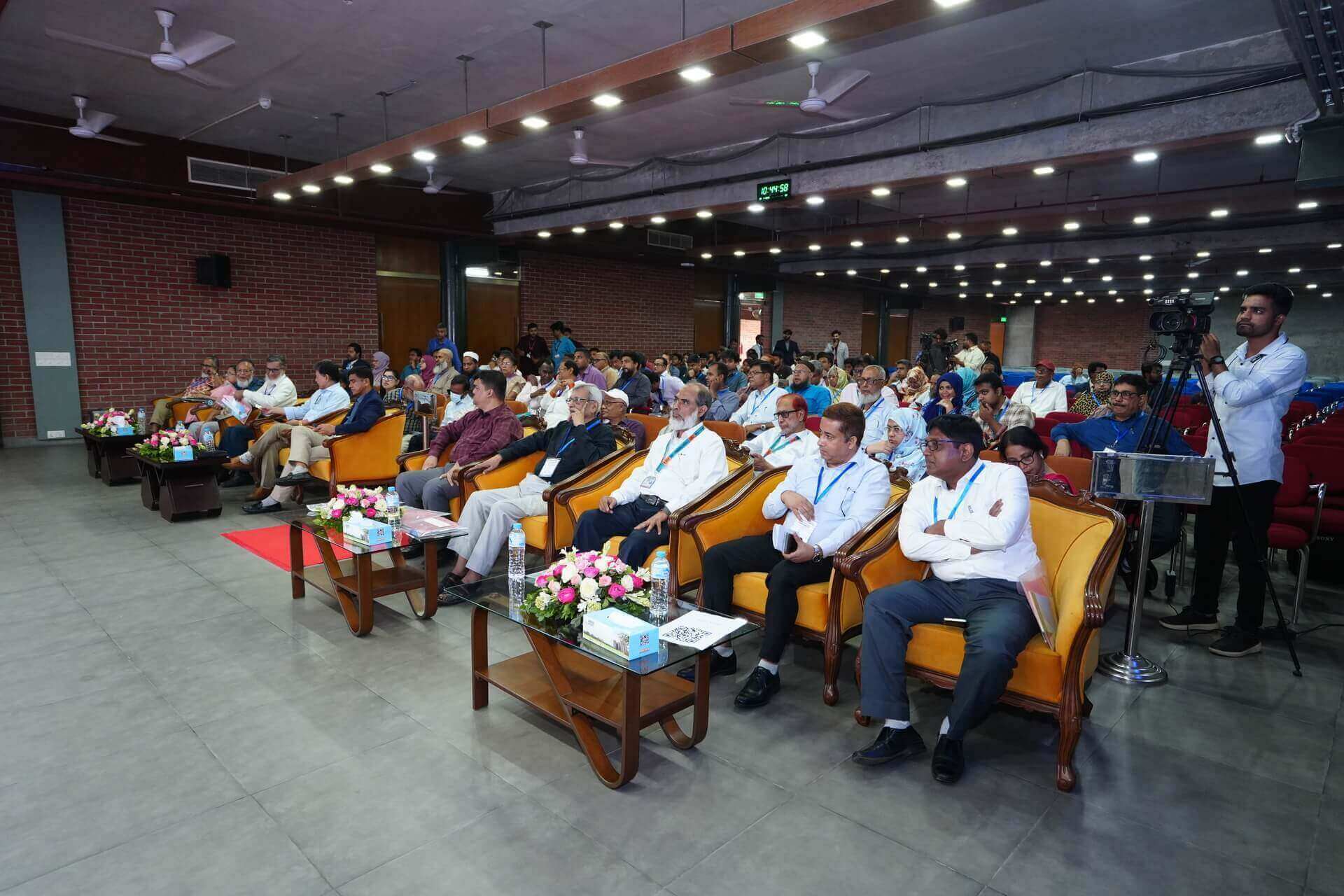
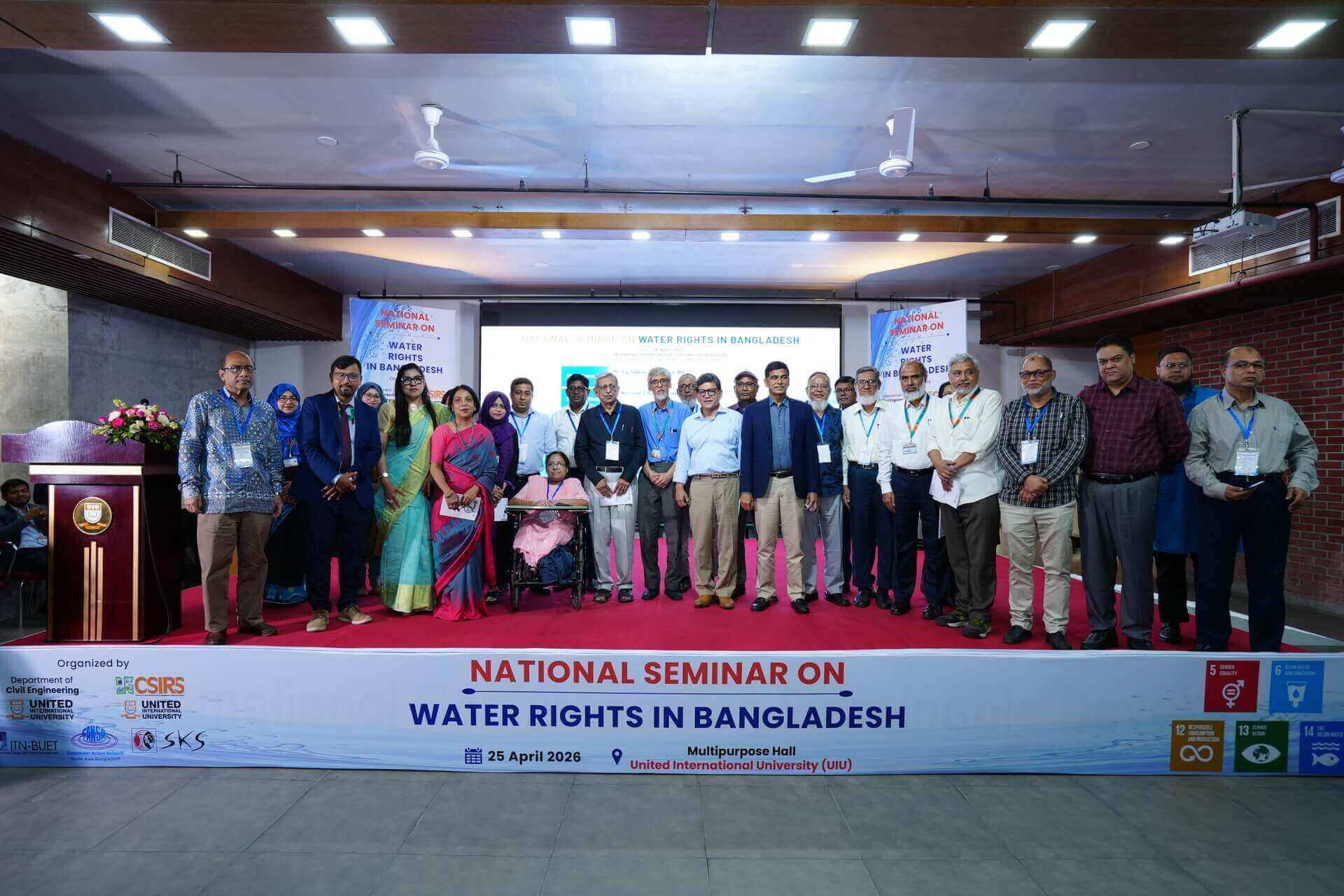
The International Training Network Centre at BUET (ITN-BUET), in collaboration with the Center for Smart Infrastructure Resilience and Sustainability (CSIRS-UIU), the Department of Civil Engineering at United International University (UIU), and FANSA-Bangladesh (Secretariat: SKS Foundation), organized a national seminar on Water Rights in Bangladesh on April 25, 2026, Multipurpose Hall at UIU.. The seminar brought together policymakers, academics, development partners, and civil society actors to strengthen dialogue on equitable and inclusive water governance.
The inauguration session was chaired by Prof. Dr. Md. Abul Kashem Mia, Vice Chancellor of UIU. The event was graced by Mr. Forhad Hossain Azad, MP, as the Chief Guest, while Mr. Mohammad Saiful Islam Majumder, Joint Secretary, Local Government Division (LGD), attended as the Guest of Honor. The session commenced with welcome remarks by Dr. Rumana Afrin of UIU.
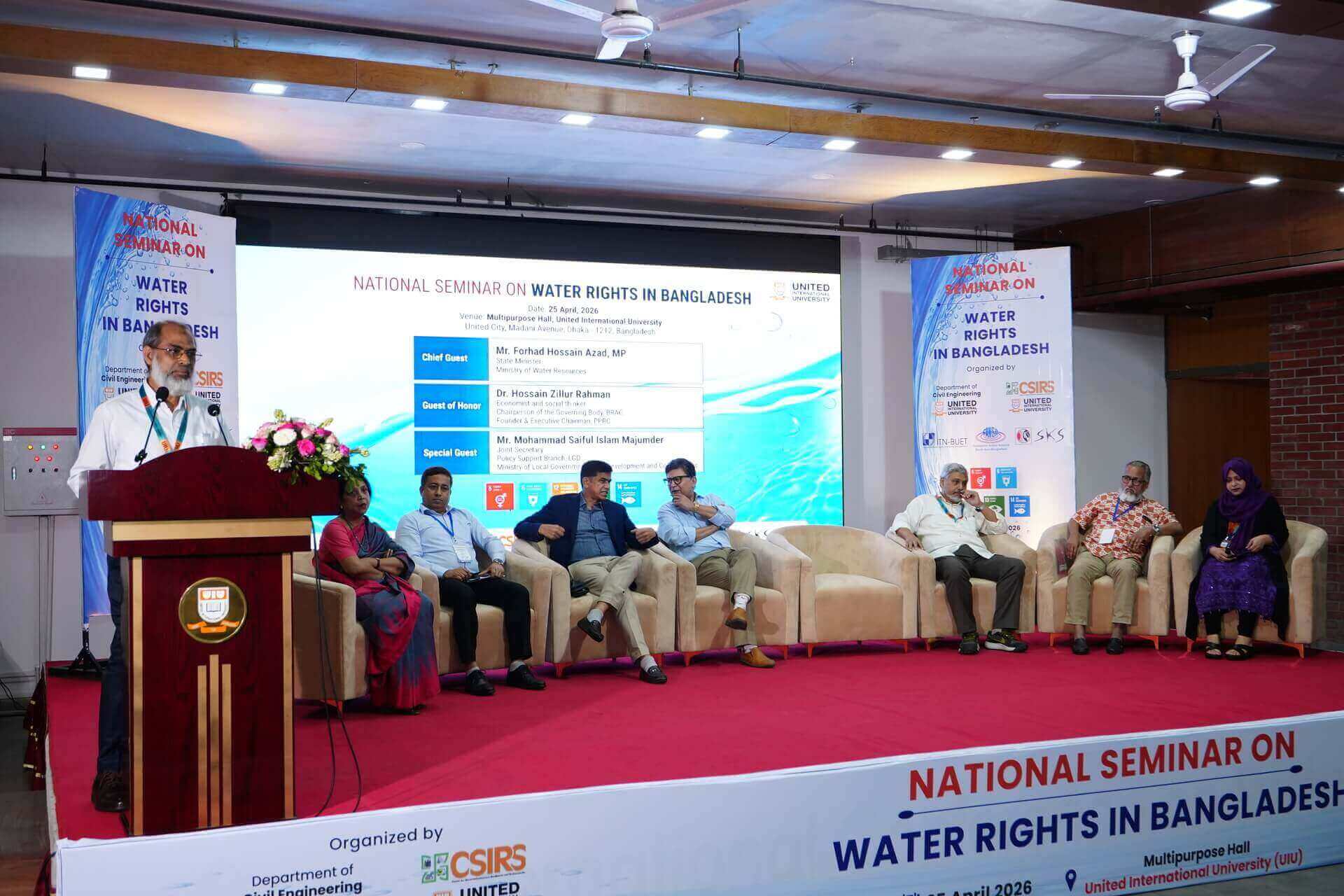
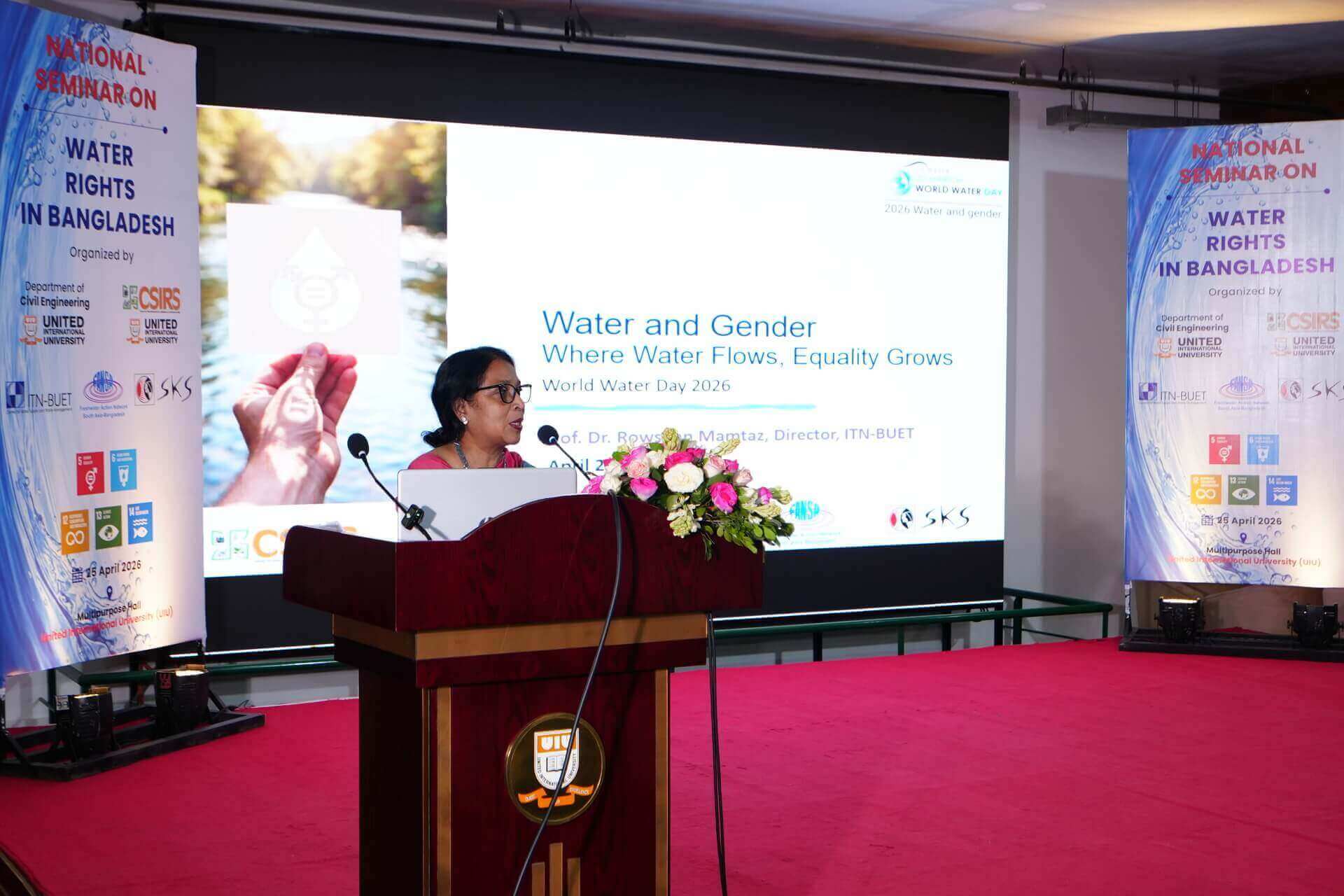
Aligned with the theme of World Water Day 2026, “Water and Gender: Where Water Flows, Equality Grows,” the seminar highlighted the growing challenges of water inequality in Bangladesh. Despite the country’s considerable water resources, access remains uneven due to impact of climate change, salinity intrusion, and transboundary water dynamics, disproportionately affecting women and marginalized communities. The discussions emphasized the imperative to transition from an infrastructure- centric approach to a rights-based framework ensuring equity, accountability, and inclusion in water governance.
In the keynote presentations, Dr. Md. Mujibur Rahman discussed the recognition of water as a fundamental human right and emphasized the necessity of strengthening legal and institutional frameworks to ensure equitable access for all. He further highlighted the importance of aligning national policies with rights-based principles to enhance accountability and service equity. Dr. Rowshan Mamtaz addressed the critical intersection of water and gender, noting that governance gaps exacerbate inequalities and place a disproportionate burden on women in accessing safe water. She stressed the need for integrating gender-responsive approaches into planning, policy, and service delivery mechanisms.
Distinguished guests shared insightful reflections on advancing equitable water governance. Mr. Mohammad Saiful Islam Majumder, stressed that effective citizen inclusion is essential for policy implementation, noting that government efforts alone are insufficient without active public engagement. Dr. Hossain Zillur Rahman highlighted the importance of long-term behavioral change and integrating awareness on responsible water use from an early stage. Mr. Forhad Hossain Azad, MP reaffirmed the government’s commitment to addressing water-related challenges under increasing climate stress and emphasized that water must be recognized as a fundamental right rather than a privilege.
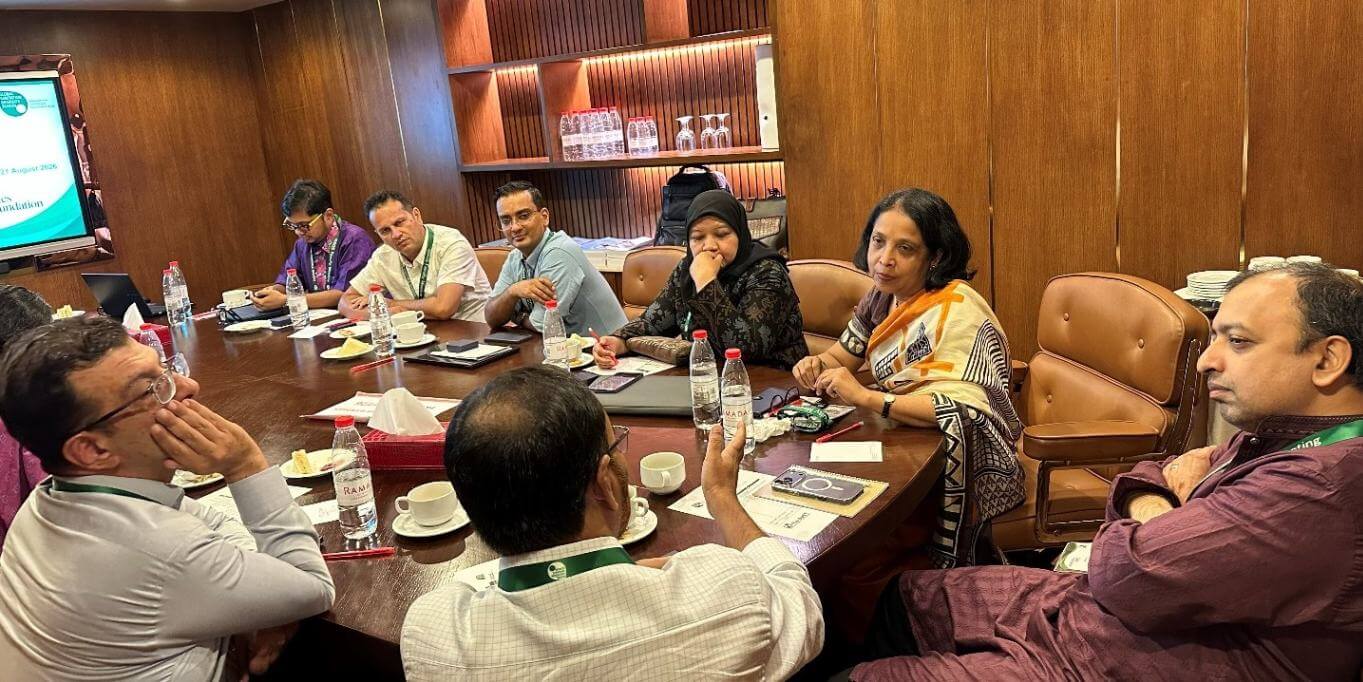
The seminar also features a high-level panel discussion, moderated by Dr. Rowshan Mamtaz explored governance gaps in ensuring water rights. Panelists included Mr. Eheteshamul Russel Khan (DPHE), Ms. Ishrat Shabnam (Practical Action Bangladesh), Dr. Dibalok Singha (DSK), Ms. Nargis Akter (WHO), Mr. Fayazuddin Ahmad (WaterAid Bangladesh), Ms. Salma Mahbub (B-SCAN), and Dr. Tariq Bin Yousuf (Waste Management Expert).
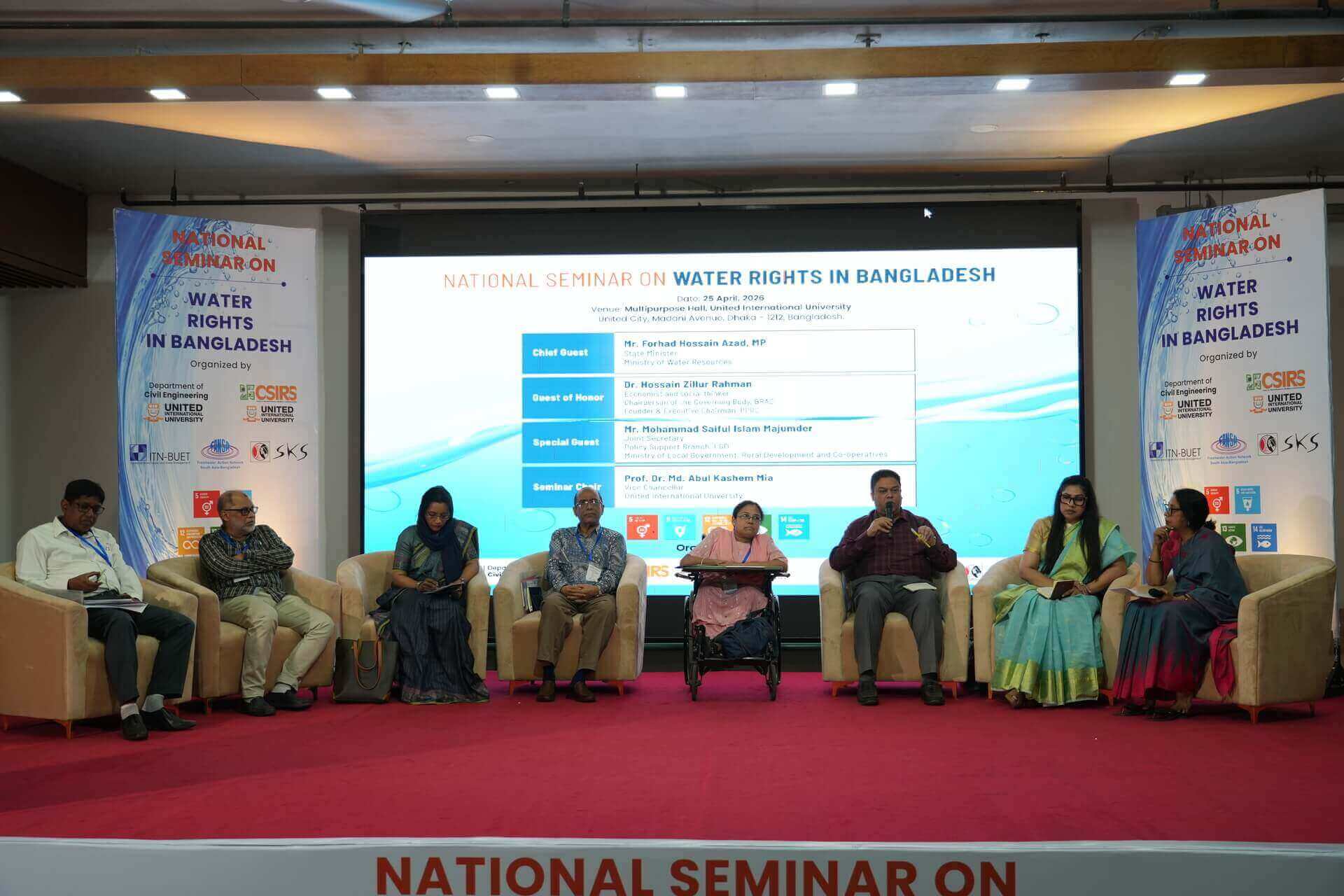
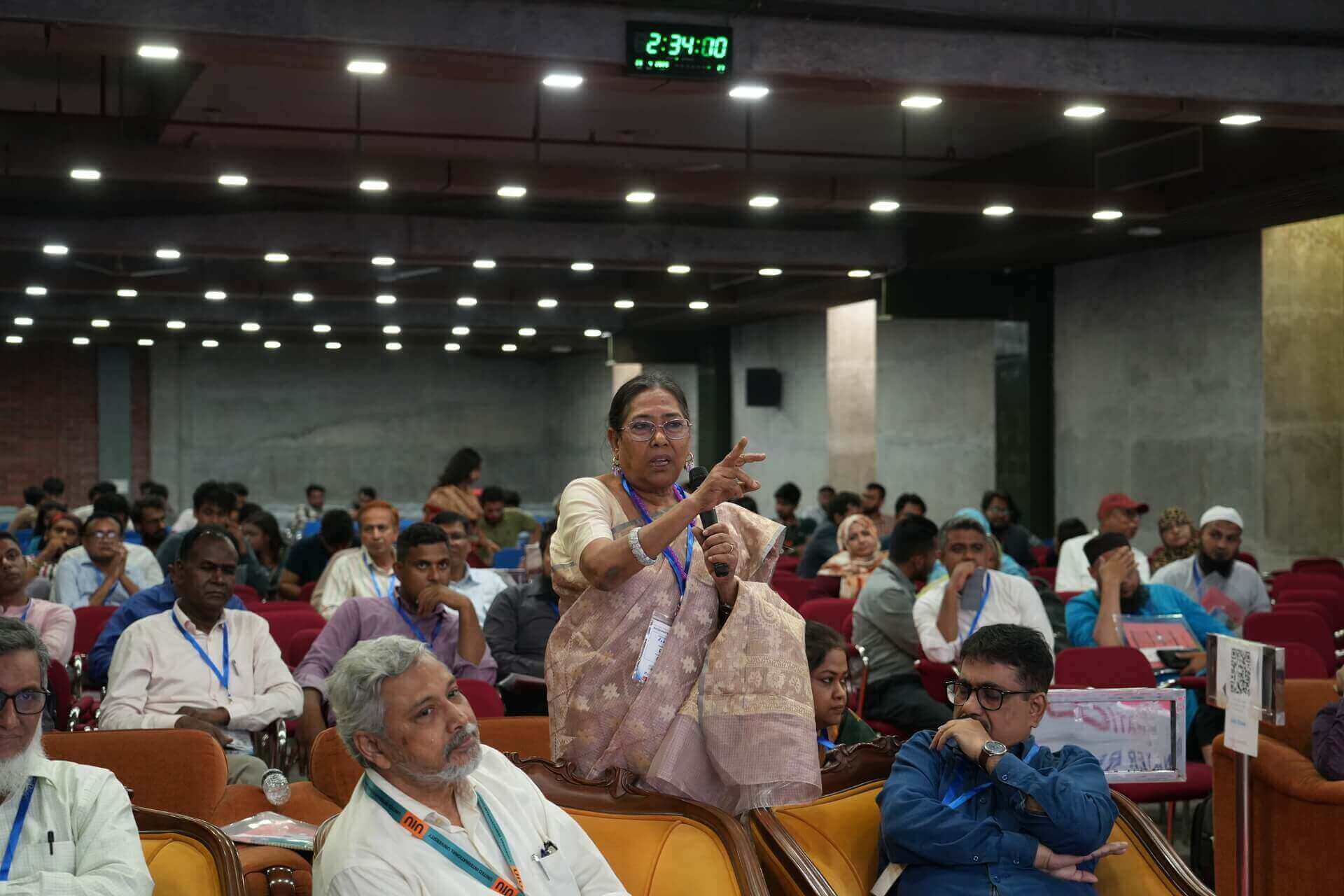
Panelists noted persistent disconnects between policy frameworks and enforceable legal mechanisms, limiting accountability and service equity. They also raised concerns about disparities in urban informal settlements, where intermediary providers often charge inflated prices despite regulated tariffs, undermining affordability for low-income communities.
A key outcome of the seminar was the collective recognition that ensuring water rights necessitates strengthening governance systems beyond infrastructure investments. Participants emphasized the importance of enhancing institutional capacity, ensuring sustainable financing for operation and maintenance, and improving inter-agency coordination. The need for context-specific standards and effective implementation of Water Safety Plans was also highlighted to ensure safe, reliable, and inclusive water services across the entire supply chain.
The discussions further underscored the critical role of local government institutions in sustaining water services, while acknowledging existing constraints related to resources and technical capacity. There was a strong consensus on the importance of promoting long-term behavioral change, fostering citizen engagement, and advancing inclusive and accountable governance practices.
Adding to the discussion, Dr. Feroze Ahmed highlighted the importance of adopting context-specific standards in water management, noting that developing countries often face challenges in meeting benchmarks set by developed nations. He emphasized the need for gradual improvement based on local realities and underscored the critical role of effective implementation of Water Safety Plans to ensure safe and reliable water services.
The seminar concluded with a shared commitment among stakeholders to advance a more inclusive, rights-based, and gender-responsive approach to water management in Bangladesh. Participants called for strengthened collaboration and coordinated advocacy to translate policy commitments into tangible and sustainable outcomes.
Overall, the seminar served as a significant platform for aligning national stakeholders on the urgent need to address water inequality and reinforce governance systems, thereby contributing to a more resilient, equitable, and sustainable water future for Bangladesh.