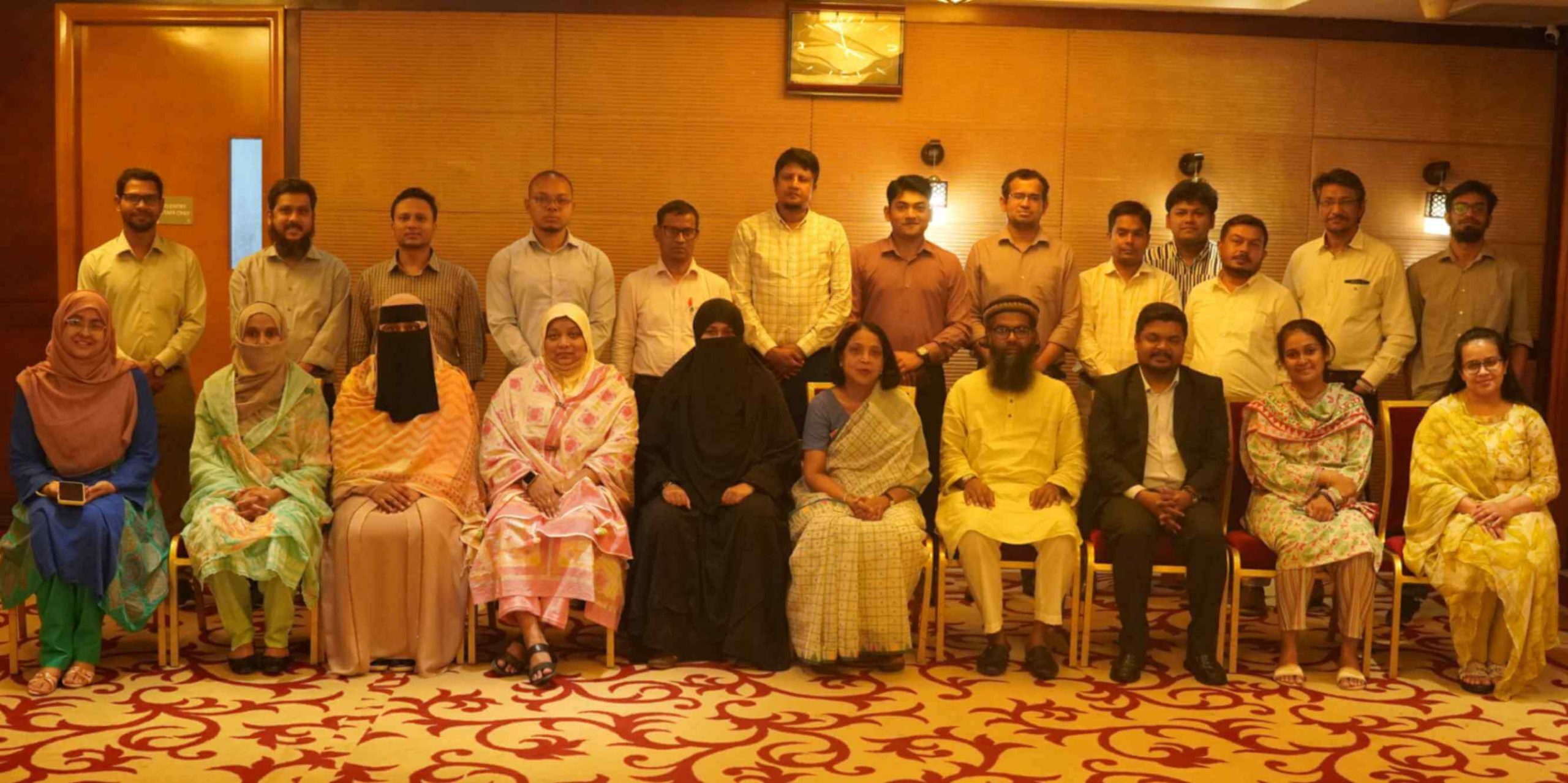

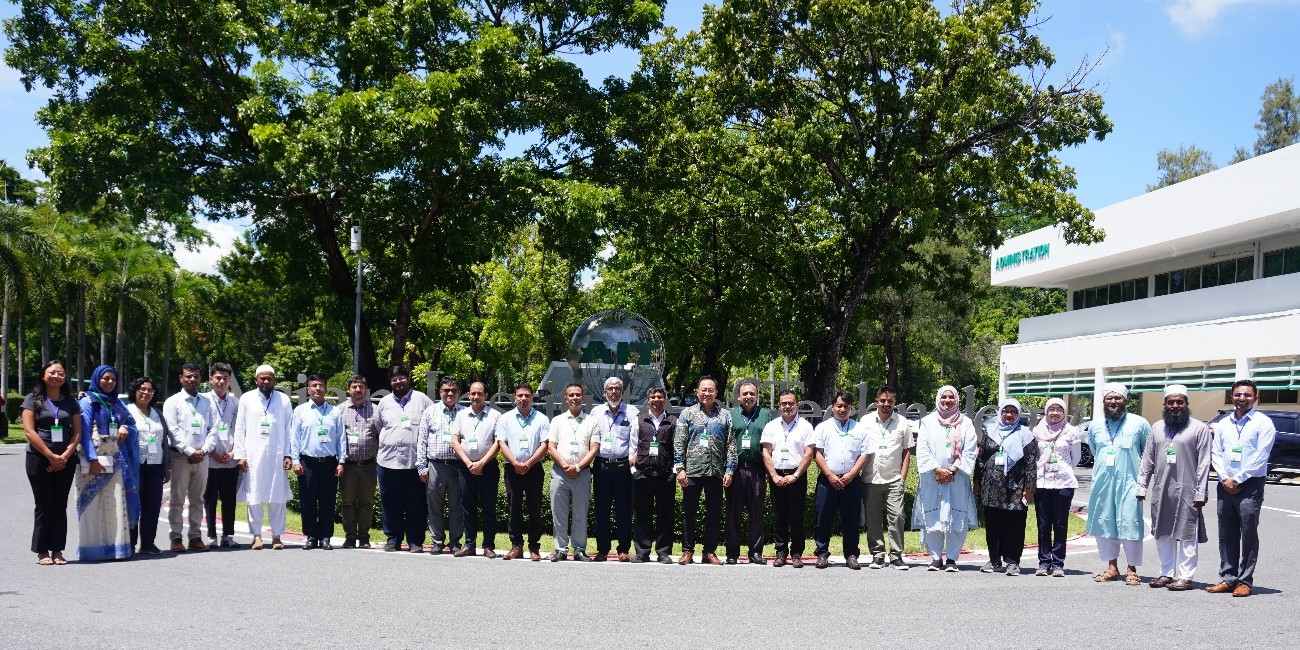
The Global Sanitation Graduate School Regional Hub South and Southeast Asia (GSGS RH SSEA), in collaboration with the Asian Institute of Technology (AIT), successfully organized a two-day Citywide Inclusive Sanitation (CWIS) Training of Trainers (ToT) programme for faculty and instructors on 25–26 June 2026 at the AIT campus in Thailand. The workshop brought together faculty members and educators from partner institutions across the region to strengthen their knowledge of CWIS while enhancing their capacity to deliver the updated GSGS curriculum through practical, interdisciplinary and practice-oriented teaching approaches.
Participants represented several leading academic institutions, including the Bangladesh University of Engineering and Technology (BUET), Khulna University of Engineering & Technology (KUET) and Shahjalal University of Science and Technology (SUST) in Bangladesh; the National University of Sciences and Technology (NUST) in Pakistan; Kathmandu University (KU) and Pokhara University (PU) in Nepal; and AIT. Over two days, the workshop combined expert lectures, laboratory visits, case studies and collaborative group exercises to provide participants with both technical knowledge and innovative teaching methodologies.
Opening the workshop, Prof. Dr. Tanvir Ahmed, Regional Director of GSGS RH SSEA, emphasized the critical role of higher education institutions in developing the next generation of sanitation professionals capable of addressing increasingly complex urban sanitation challenges. He noted that strengthening faculty capacity is fundamental to ensuring high-quality, practice-oriented sanitation education across South and Southeast Asia.
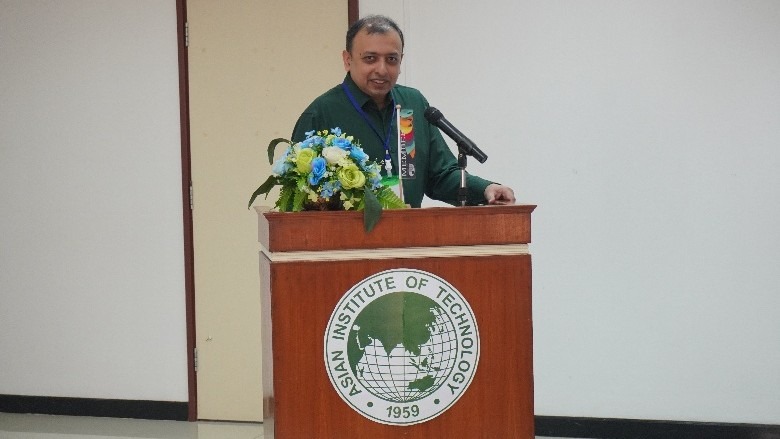
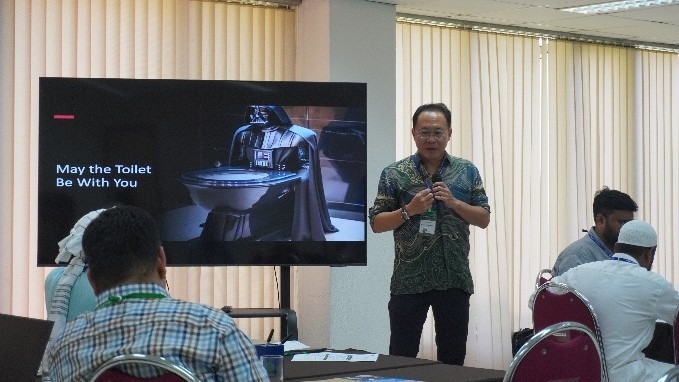
The first day focused on establishing a strong technical foundation in Citywide Inclusive Sanitation and its role in achieving safely managed sanitation services. Prof. Dr. Tanvir Ahmed (BUET) opened the technical sessions with an overview of CWIS principles, institutional responsibilities and the importance of integrated urban sanitation planning, highlighting the need for coordinated action among governments, service providers and communities to deliver equitable services for all. The session was complemented by a technical visit to AIT’s Natural and Advanced Treatment Systems (NATS) Laboratory, organized in collaboration with AIT’s Global Water and Sanitation Center (GWSC), where participants observed advanced testing and ongoing research activities.
Building on these fundamentals, Dr. Md. Shofiqul Islam (KUET) introduced laboratory methods for sanitation flow analysis and resource recovery, demonstrating how scientific assessment can support evidence-based planning and circular economy approaches, while Prof. Thammarat Koottatep (AIT) presented emerging sanitation technologies and their application in diverse urban contexts. The afternoon sessions broadened the discussion to sustainability and social inclusion: Dr. Mohammad Ismail Hossain (KUET) presented climate-resilient sanitation approaches, Dr. Anish Ghimire (AIT) shared a Nepal case study on greenhouse gas emissions from sanitation systems, and Dr. Anjum Tasnuva (KUET) concluded with an engaging session on gender, social inclusion and equitable service delivery.
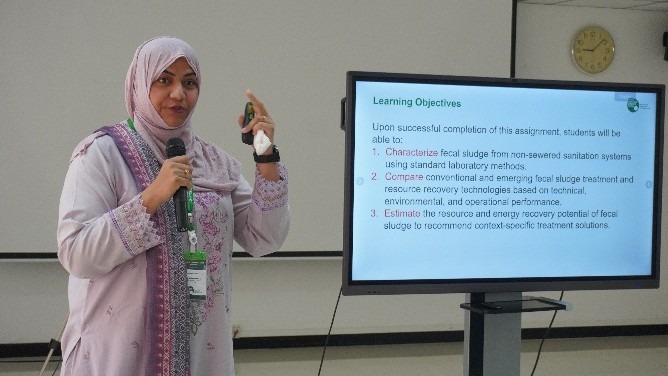
The day closed with an interactive group exercise in which participants, working in five groups, developed classroom assignments—complete with learning objectives, assessment methods and student deliverables—that promote interdisciplinary problem-solving and the practical application of CWIS concepts.
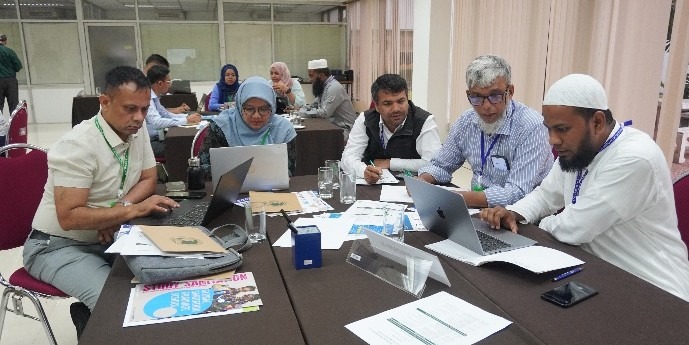
The second day shifted focus from technical concepts to the institutional, financial and governance dimensions of Citywide Inclusive Sanitation. The day began with presentations from the five groups on the classroom assignments developed during the previous day, giving faculty members an opportunity to exchange teaching experiences, share feedback and discuss how the GSGS curriculum could be adapted to their respective institutional contexts.
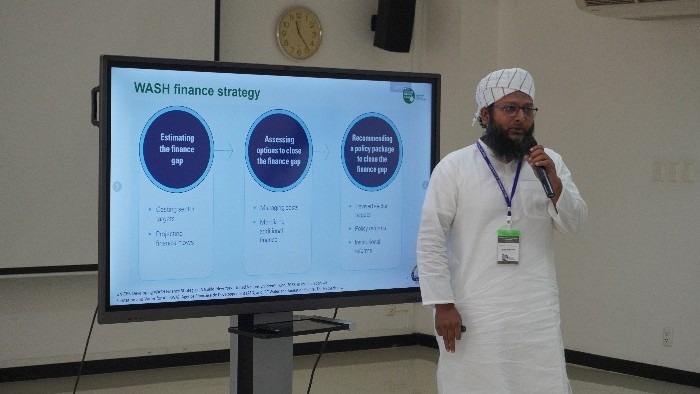
Prof. Dr. Tanvir Ahmed led a session on sanitation governance, exploring policy frameworks, institutional coordination and the enabling environment required for effective citywide services. Ms. Isha Basyal (GWSC) followed with a presentation on translating CWIS planning into implementation, and Dr. Md. Imran Kabir (SUST) examined sanitation financing mechanisms, investment strategies and financial models for sustainable systems. Mr. Subrata Paul delivered a session on Behavior Change Communication (BCC) and strategic advocacy, emphasizing stakeholder engagement and public awareness, while Dr. Sanjiv Neupane (GWSC) presented a practical case study on the application of Information Management and Information Systems (IMIS) in CWIS planning and sanitation governance. The workshop concluded with a second collaborative group exercise in which participants designed teaching assignments covering governance, financing, advocacy, monitoring and implementation.
Throughout the workshop, participants shared experiences from their respective countries, enriching discussions with diverse regional perspectives and practical lessons from ongoing sanitation initiatives. During the closing session, faculty members reflected positively on the workshop’s balance of technical content, practical applications and collaborative learning, particularly appreciating the opportunity to develop teaching materials that can be readily integrated into their own courses while strengthening professional networks across the region. The event concluded with participant feedback, closing remarks and the presentation of certificates of participation.
By equipping educators with updated technical knowledge, practical teaching resources and stronger regional partnerships, the workshop marks another important milestone in the shared commitment of GSGS RH SSEA and AIT to advancing sanitation education. Through continued collaboration, the Regional Hub aims to support universities in preparing the next generation of professionals capable of designing, implementing and managing inclusive, climate-resilient and sustainable sanitation systems across South and Southeast Asia.