
Bangladesh faces a major challenge in achieving Sustainable Development Goal (SDG) 6.2, which targets 100% safely managed sanitation for all by 2030. Unlike the MDG period, which mainly focused on access to toilets, the SDG framework emphasizes safely managed sanitation services. This goal cannot be achieved without effective Fecal Sludge Management (FSM) systems. In this context, capacity building of government officials- especially those from the Department of Public Health Engineering (DPHE), the lead agency for sanitation planning, implementation, monitoring, and regulation across the country- is essential.
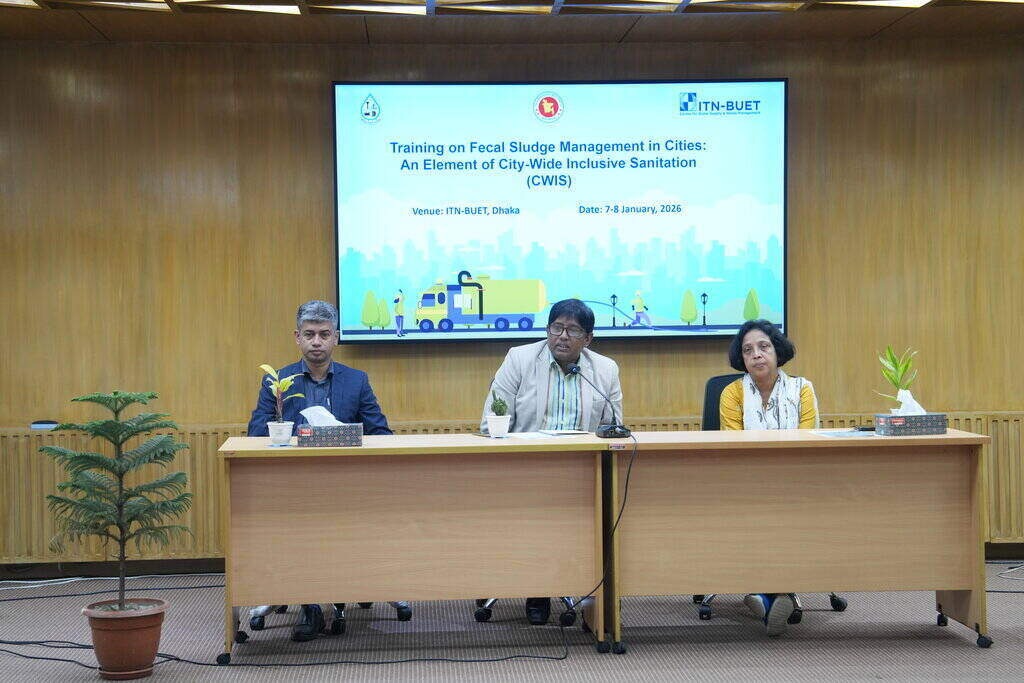
To support this effort, the Training Division of DPHE and ITN-BUET jointly organized two batches of training titled “Fecal Sludge Management in Cities: An Element of City-Wide Inclusive Sanitation (CWIS)” from 5-8 January 2026. A total of 40 Assistant Engineers of DPHE participated in the training.
Mr. Eheteshamul Russel Khan, Additional Chief Engineer (Planning) of the Department of Public Health Engineering (DPHE), inaugurated the training program, stressing the need to speed up efforts to meet sanitation targets, particularly as urban sanitation becomes more challenging. He highlighted the importance of strengthening technical and institutional capacity at the local level and expressed his confidence that the training would equip participants with the knowledge and practical skills required to effectively plan, implement, and manage fecal sludge interventions.
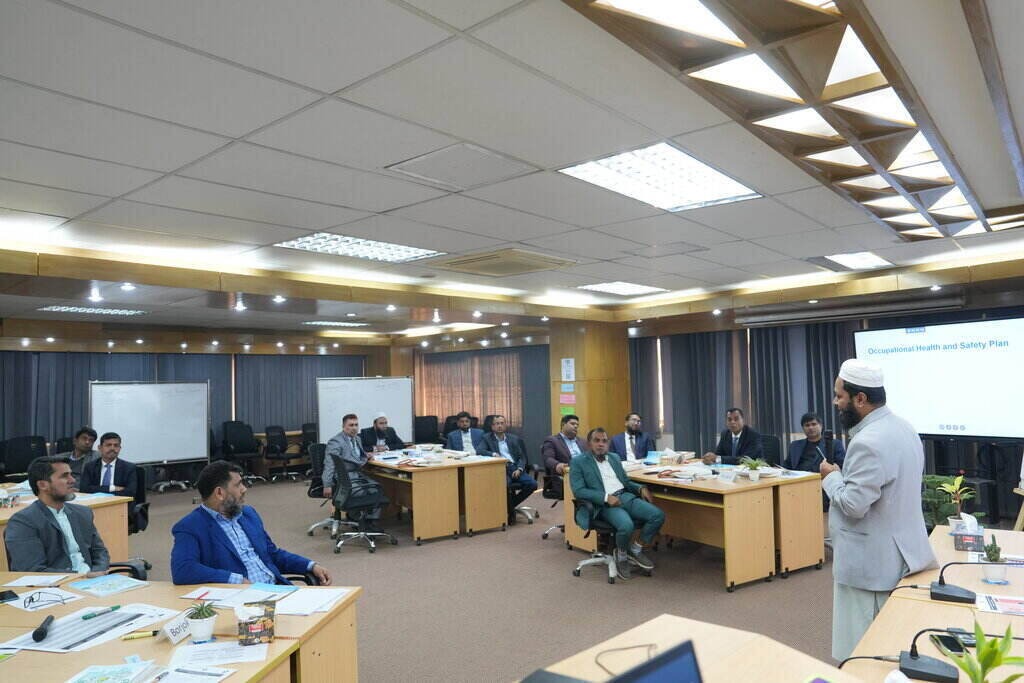
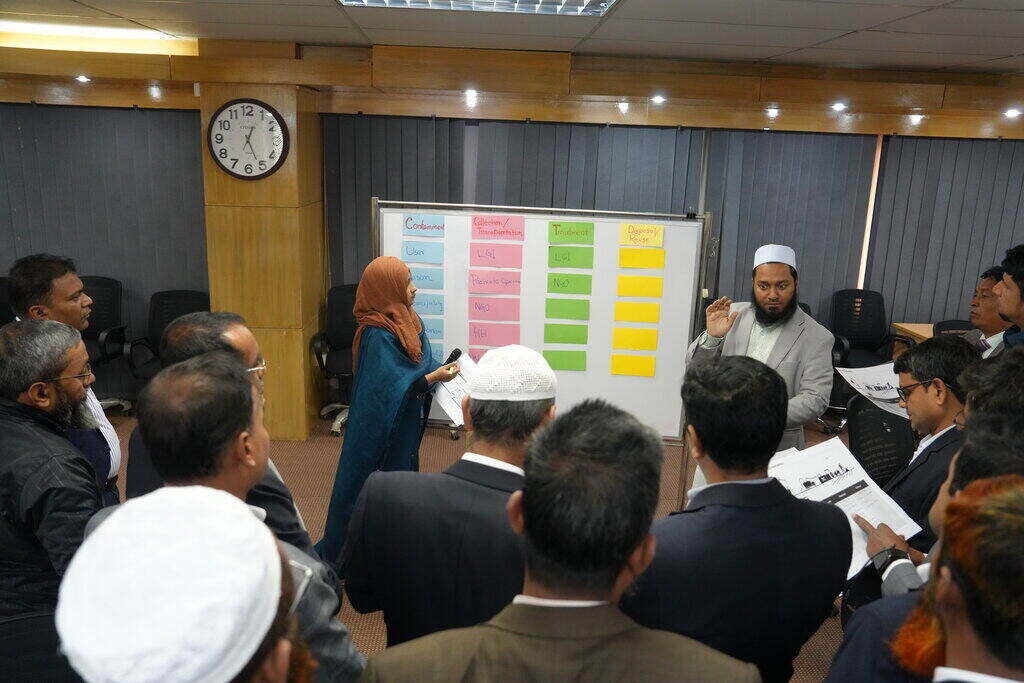
The training adopted adult learning approach that combined theoretical discussions with practical hands-on sessions. Key topics covered were- basic principles of fecal sludge management along with its technical, social, financial and sustainability aspects. Participants were introduced to FS quantification and treatment methods, financial flow and service delivery models, social mobilization, stakeholder engagement, and the enabling factors essential for effective FSM implementation. Interactive group exercises actively engaged the participants and strengthened their capacity to plan and implement FSM activities under different development projects of the DPHE.
Participants highly appreciated the relevance and usefulness of the training. “The training helped us understand the key elements of FSM and changed our perspective on FSM,” said Md. Kabul Khan, Assistant Engineer, DPHE, Savar. Md. Abdulla-Hill-Kafi, Assistant Engineer of DPHE in Dhaka said, “The training was not a typical classroom session; it was highly interactive and engaging. The group activities were particularly effective and enjoyable”.
At the closing ceremony, Prof. Dr. Rowshan Mamtaz, Director of ITN-BUET emphasized that the knowledge and skills gained from the training would support participants in accelerating progress in urban fecal sludge management across the country. Looking ahead, she encouraged participants to apply these learnings in their respective projects and contribute to sustainable and efficient FSM service delivery at the local level.