
Achieving SDG Target for Sanitation 6.2: 100% Safely Managed Sanitation for All by 2030 for Bangladesh requires 6 to 8 times acceleration to the current pace of yearly achievement for Sanitation. Hence, capacity building of government officials, particularly officials from DPHE, who are responsible for overall sanitation across the country except WASAs areas, is a must to cope with this higher-level acceleration of development in sanitation.
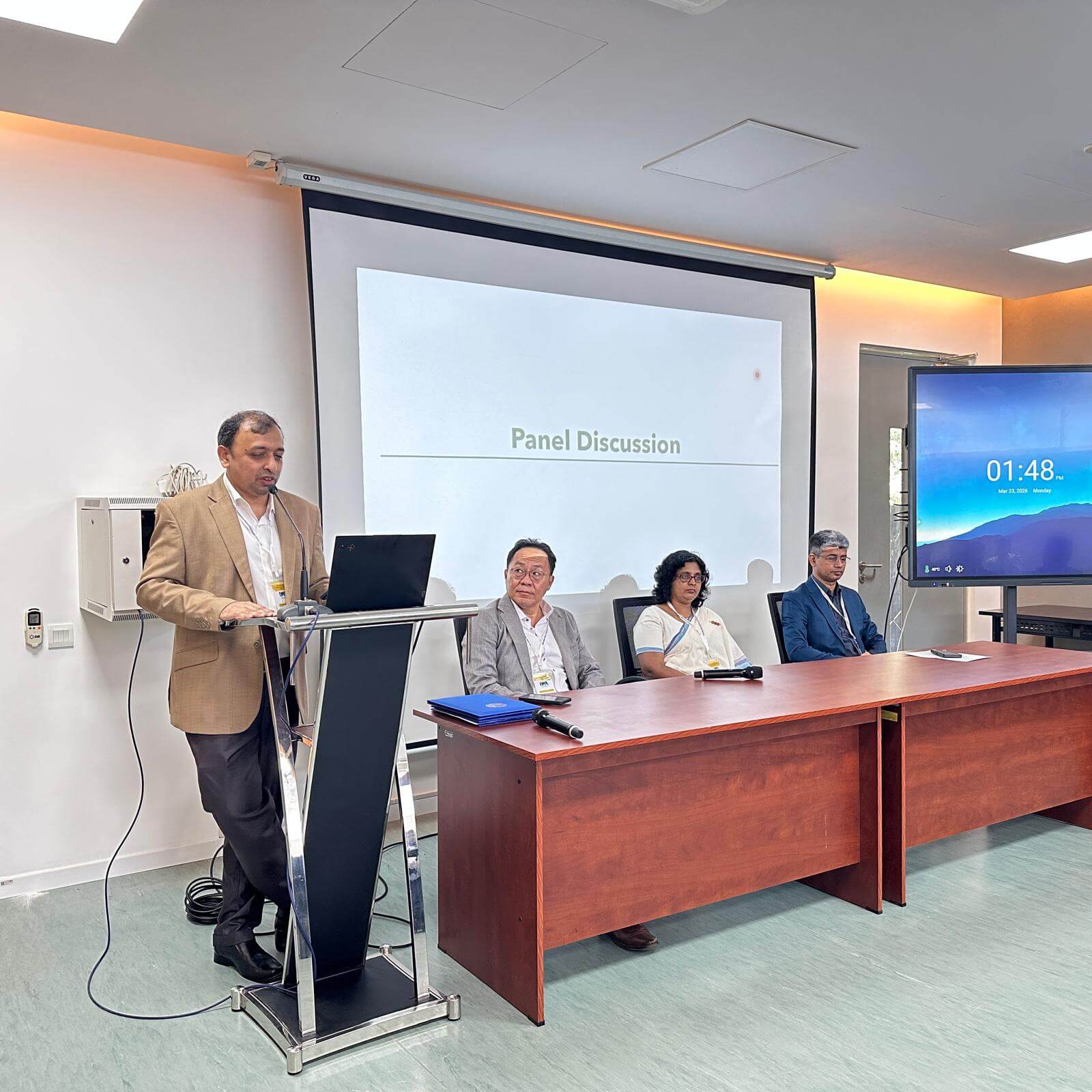
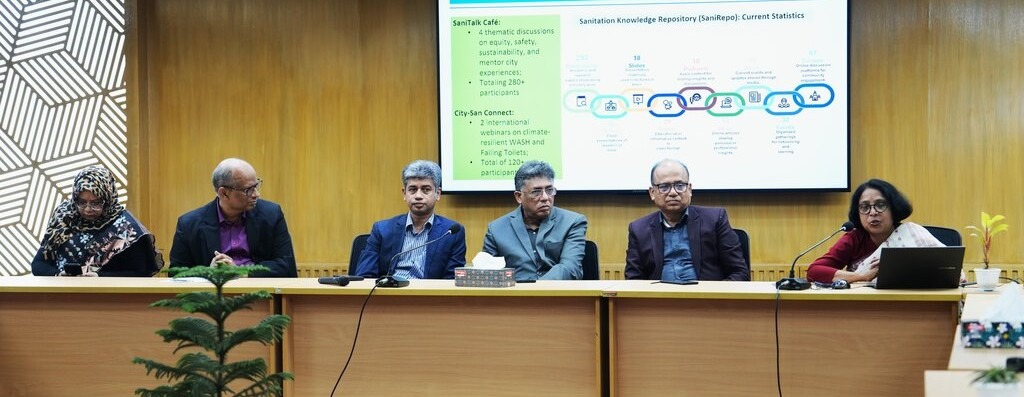
Training Division of Department of Public Health Engineering (DPHE) and ITN-BUET organized two batches training at DPHE WASH Training Centre in Cox’s Bazar to capacitate DPHE officials on Planning and Design of Fecal Sludge Treatment Plants (FSTPs).

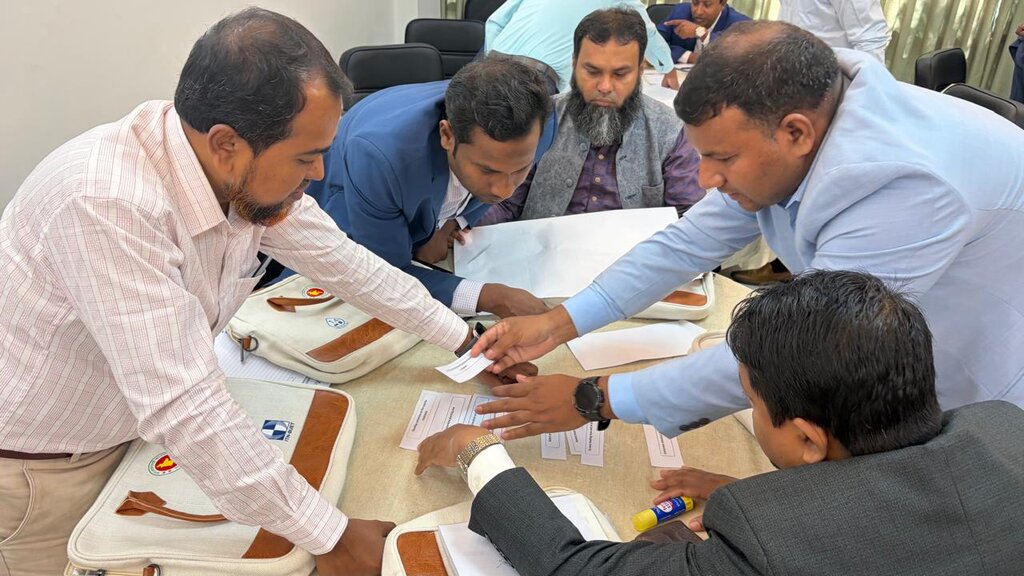
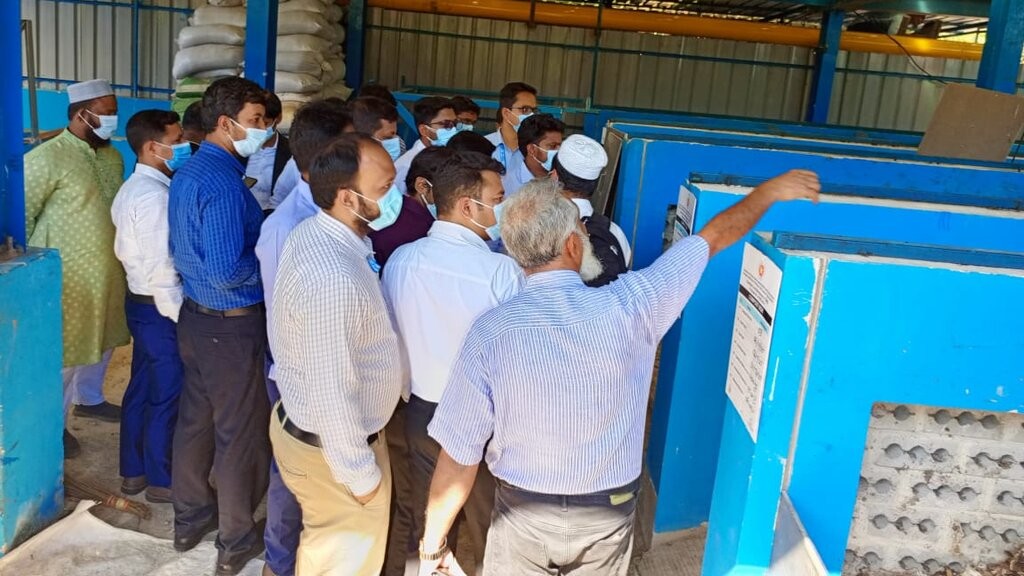
The FSTP design training combined theoretical lessons on principal, technology and step-by-step design calculation for elements of FSTP with practical learning from Integrated Waste Management Plant of DPHE at Camp-2W in Rohingya Camp, Cox’s Bazar on operation of FSTP, co-composting of dried fecal sludge with organic part of solid waste as enduse option, treatment of inorganic part of solid waste, particularly plastic to produce electricity. A total of 58 Assistant Engineers of DPHE participated in the training in two batches; 1st batch was scheduled from 24 to 25 November 2025 and 2nd was scheduled from 26 to 27 November 2025.
Participants highly appreciated the relevance and applicability of the training as construction and operation of FSTPs under DPHE projects in different cities are in different stages and the training equipped them with the knowledge as they needed-said by Mr. Mahfuzur Rahman, Assistant Engineer, DPHE, Borhanuddin, Bhola and Turjoy Kumar Das, Assistant Engineer, DPHE, Satkania, Chattogram.
Ms. Ruksana Parvin, Executive Engineer, Training Division, DPHE inaugurated the first batch training and Prof. Dr. Rowshan Mamtaz, Director of ITN-BUET distributed certificates in the closing ceremony.