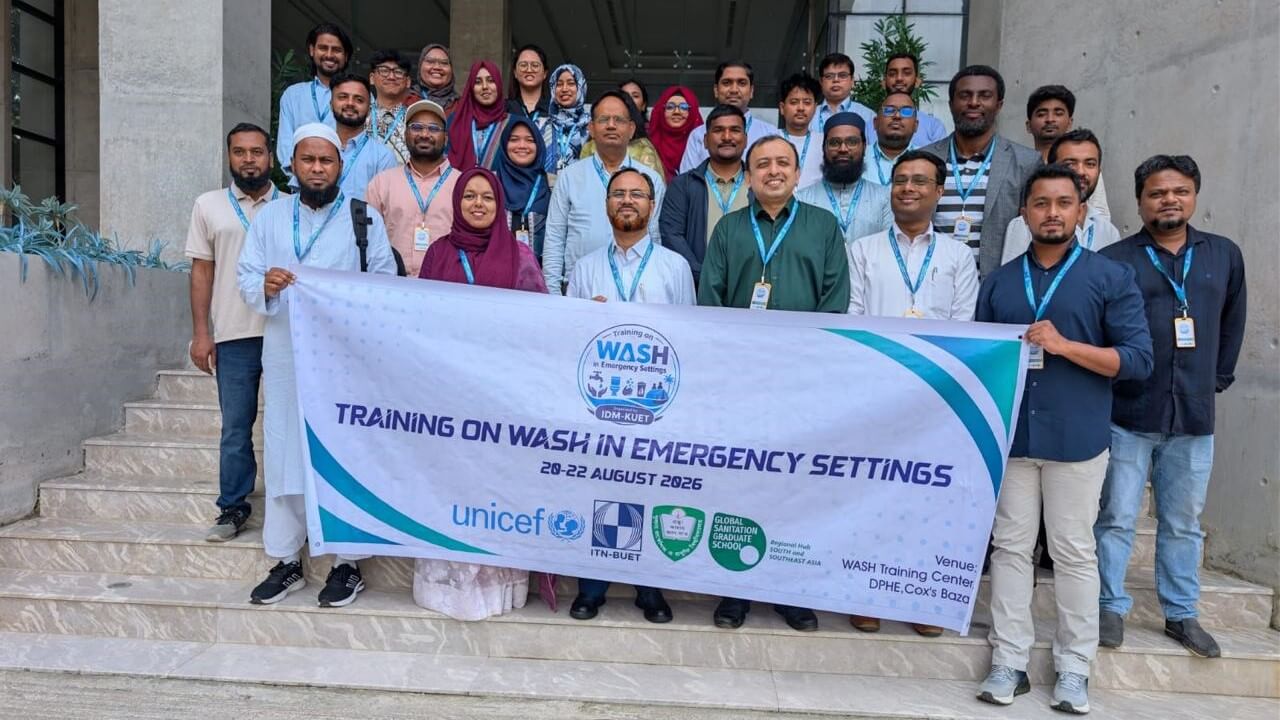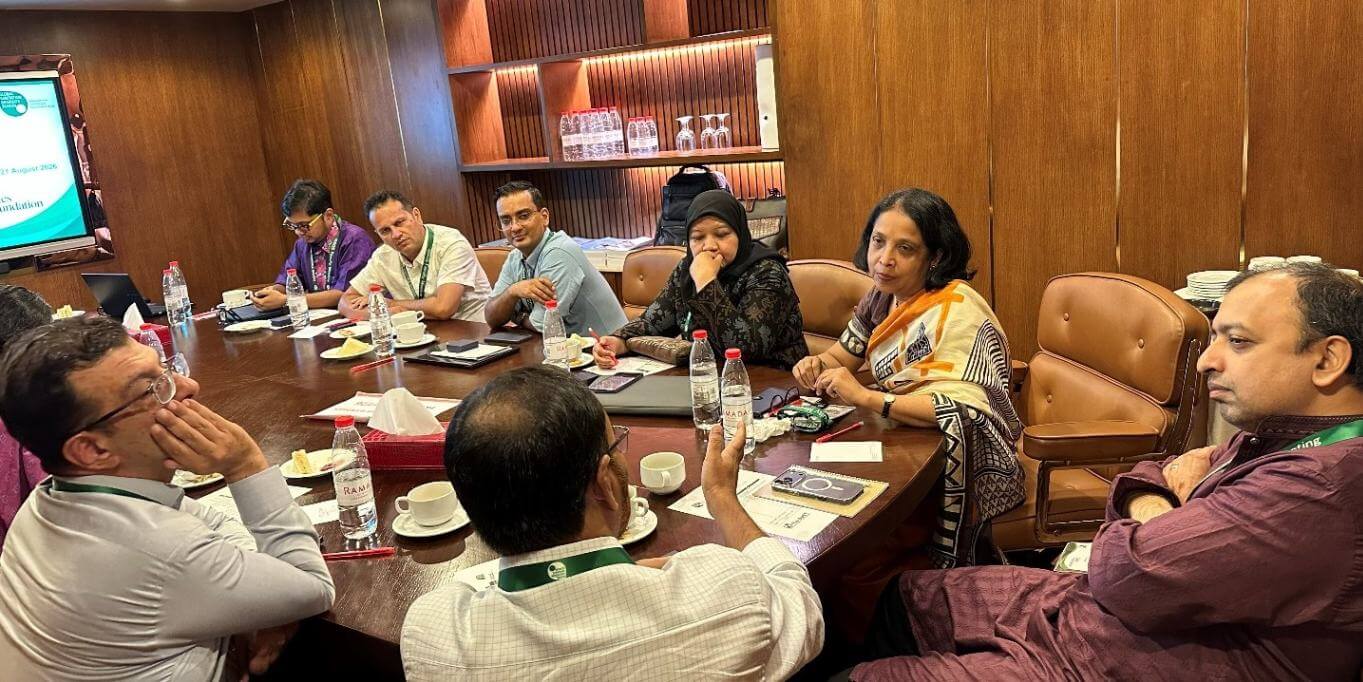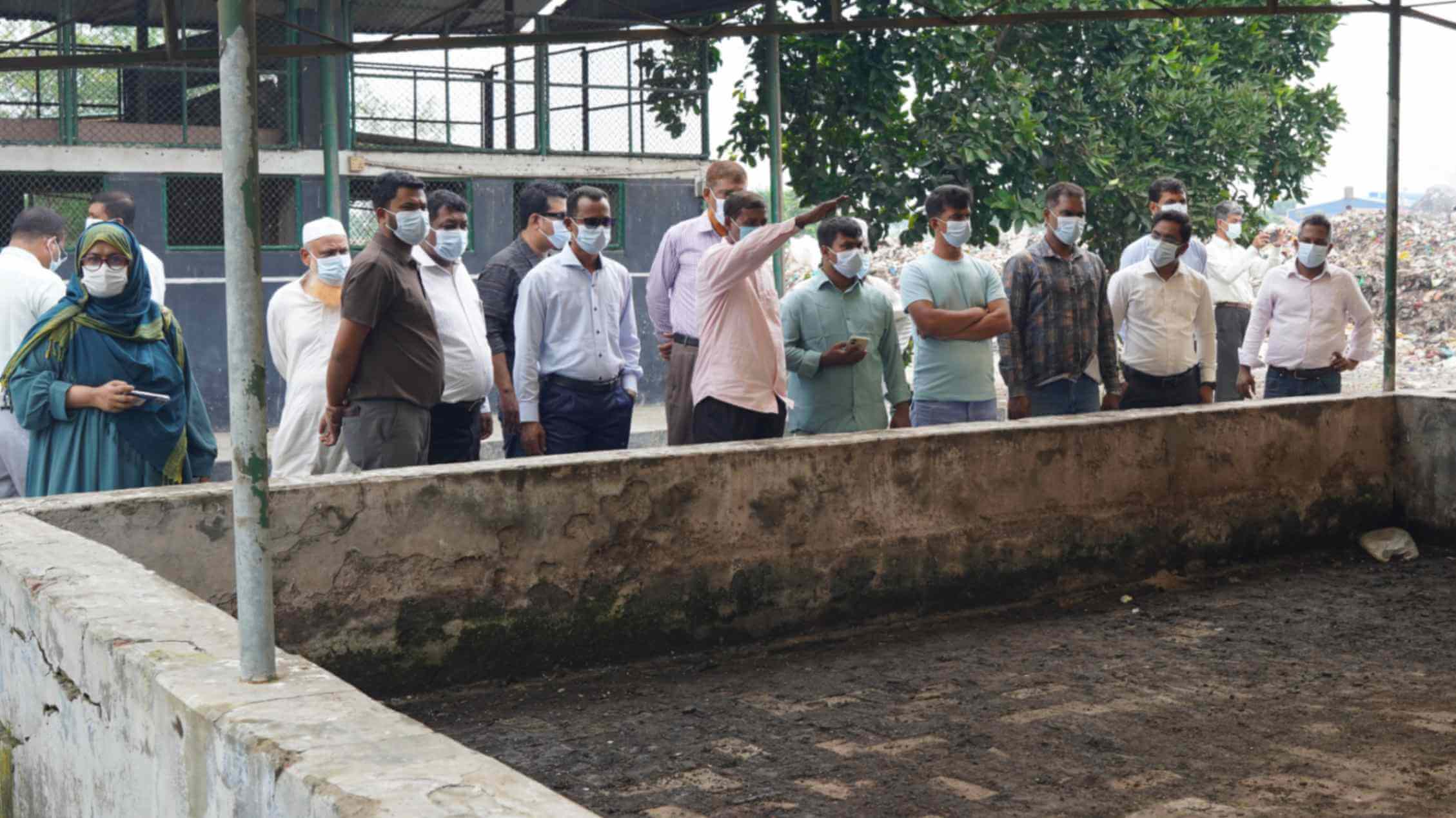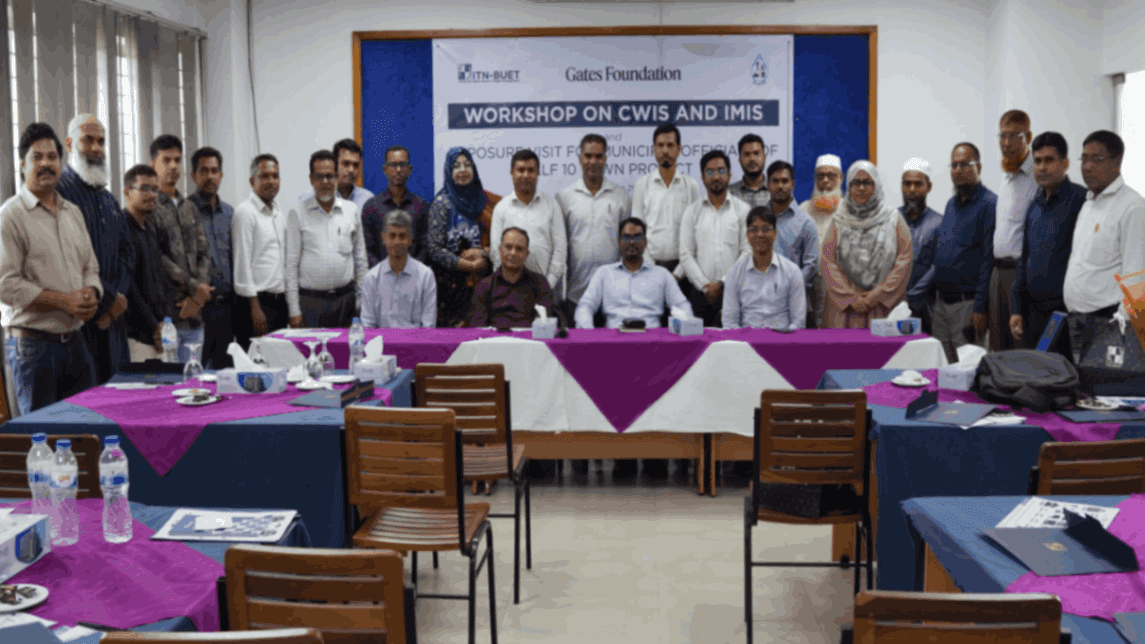

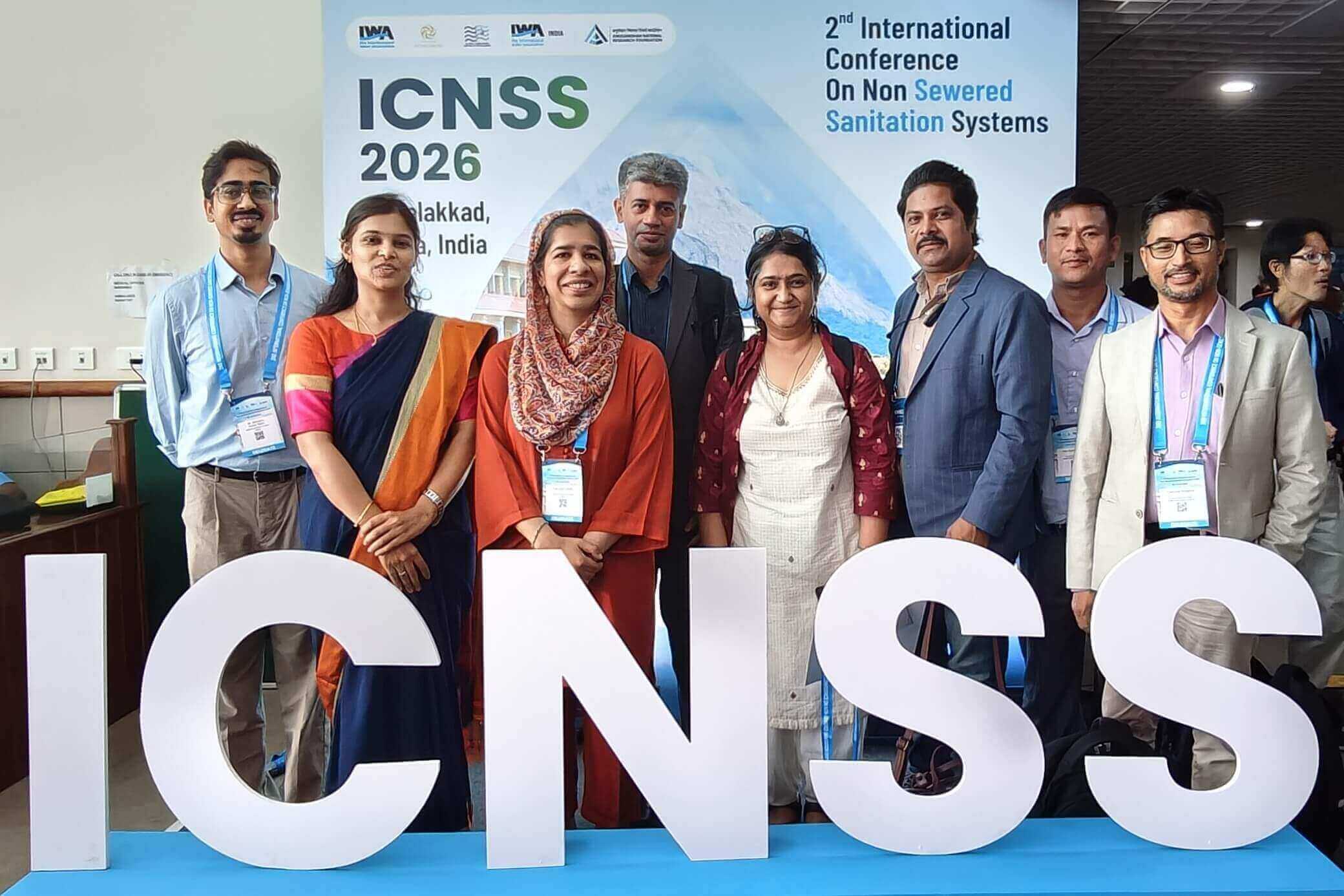
ITN-BUET reinforced Bangladesh’s leadership in Citywide Inclusive Sanitation (CWIS) by actively participating in the 2nd IWA International Conference on Non-Sewered Sanitation Systems (ICNSS 2026), held from 9–12 July 2026 at the Indian Institute of Technology (IIT) Palakkad, Kerala, India. Organized by the Global Sanitation Center of Excellence (GSCOE), IIT Palakkad, in collaboration with the International Water Association (IWA), the conference brought together leading researchers, policymakers, development partners, practitioners, and industry experts from across the globe to explore innovative solutions and strengthen collaboration for advancing safely managed sanitation.
Held under the theme “Reimagining Sanitation Systems for an Inclusive and Sustainable Future,” the conference served as an important international platform for exchanging knowledge on non-sewered sanitation systems, governance, financing, resource recovery, climate resilience, and CWIS. The event highlighted the growing importance of integrated, inclusive, and evidence-based approaches for achieving Sustainable Development Goal 6 (SDG 6).
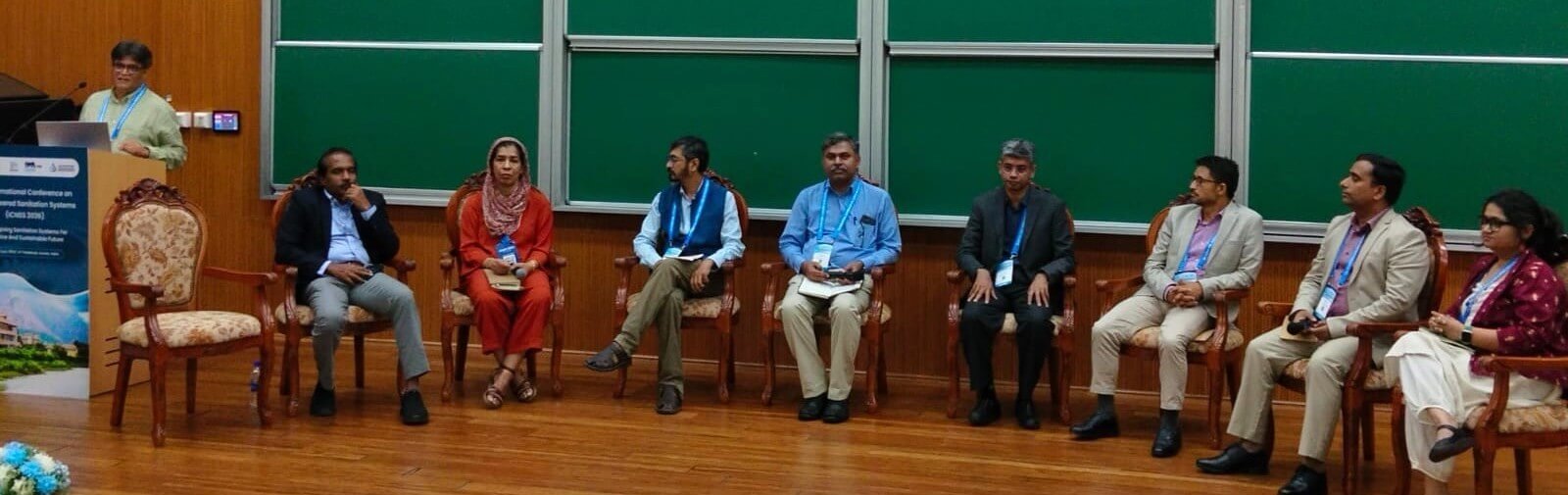
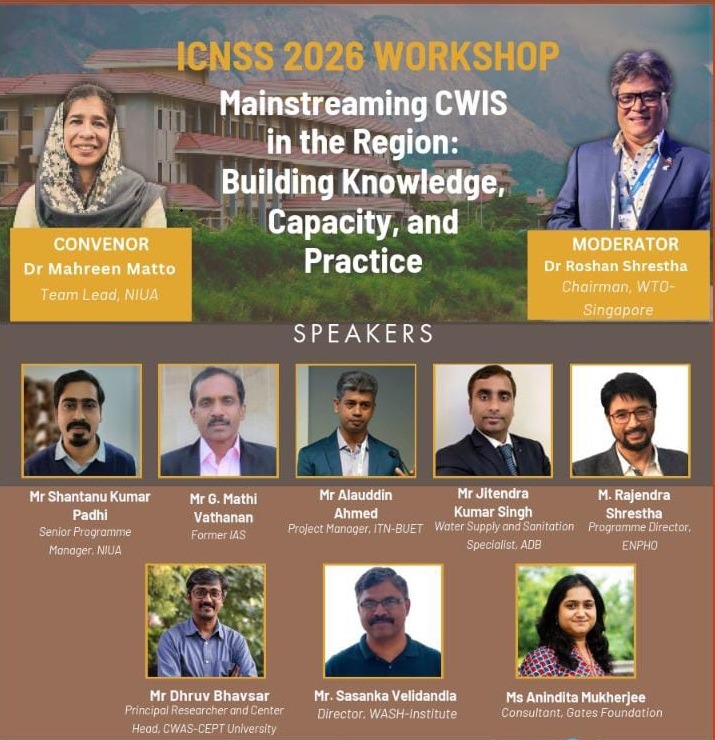
A major highlight of the conference was the participation of Mr. Alauddin Ahmed, Project Manager of ITN-BUET, as a panelist in the high-level session “Mainstreaming CWIS in the Region: Building Knowledge, Capacity and Practice.” During the discussion, he presented Bangladesh’s remarkable journey in mainstreaming CWIS, showcasing the country’s progress in developing enabling policies, strengthening institutional coordination, expanding municipal capacities, and promoting evidence-based sanitation planning.
Mr. Ahmed highlighted ITN-BUET’s pioneering role in supporting the national sanitation agenda through capacity development, technical assistance, research, knowledge management, and policy advocacy. He shared how ITN-BUET, with support from national and international partners, has contributed to translating the CWIS framework into practical actions by developing municipal capacities, training government officials and practitioners, supporting sanitation planning, establishing knowledge platforms, and promoting peer learning among municipalities.
Mr. Ahmed also presented the organization’s ongoing efforts to develop CWIS Mentor Cities, strengthen professional networks, and facilitate regional knowledge exchange to accelerate the adoption of inclusive sanitation approaches across Bangladesh.
The panel discussion generated significant interest among regional participants, who recognized Bangladesh as one of the emerging leaders in operationalizing CWIS in South Asia. The session provided valuable opportunities to exchange experiences with neighboring countries and explore collaborative approaches for strengthening sanitation governance, institutional capacity, and service delivery.
Throughout the conference, the ITN-BUET delegation participated in technical sessions, poster presentations, exhibitions, and networking events covering innovations in non-sewered sanitation technologies, digital solutions, resource recovery, climate-resilient sanitation, and financing mechanisms. These interactions created new opportunities for collaboration with international universities, research institutions, development organizations, and sector experts.
As Bangladesh’s leading capacity-building hub for sanitation, ITN-BUET continues to bridge global knowledge with local action. Through research, professional training, knowledge management, technical advisory services, and policy engagement, the organization has been supporting government institutions, municipalities, utilities, and development partners in advancing CWIS and safely managed sanitation services across the country.
Participation in ICNSS 2026 not only elevated Bangladesh’s experience on a global stage but also strengthened ITN-BUET’s international partnerships and reinforced its role as a regional knowledge leader. The insights and collaborations gained from the conference will further support the organization’s ongoing efforts to foster innovation, strengthen institutional capacity, and accelerate the transition towards resilient, climate-responsive, and inclusive sanitation systems in Bangladesh and beyond.