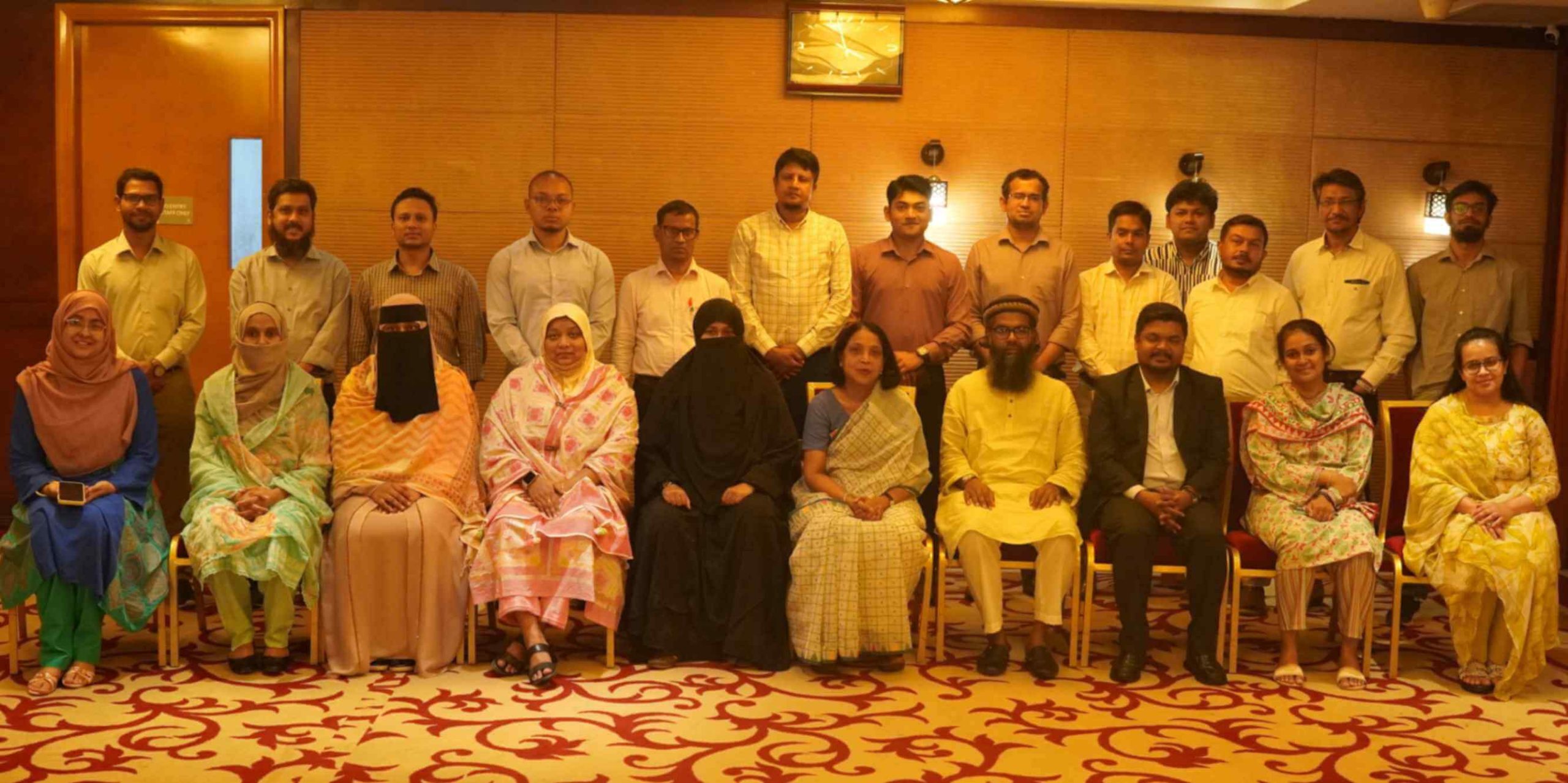

ITN-BUET, in collaboration with FINISH Mondial and the Collective for Inclusive Development (CFID), organized a workshop titled “Understanding and Shaping the Enabling Environment for Sustainable Urban Development” on 28 October 2026 at the ITN-BUET Seminar Room, BUET. The workshop aimed to enhance participants’ understanding of the institutional, financial, social and policy conditions necessary for sustainable urban development and service delivery.
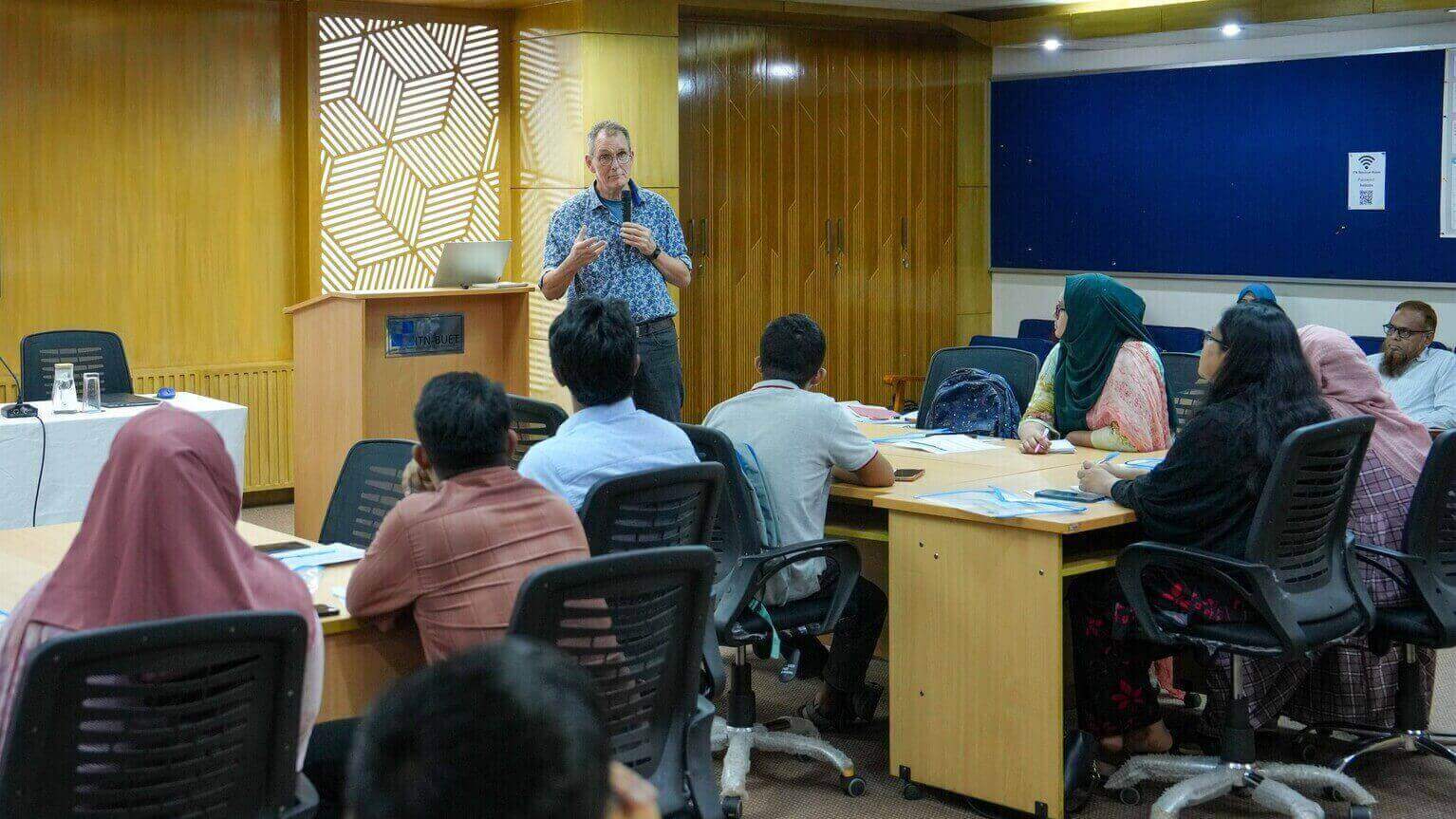
The workshop was facilitated by Mr. Stan Maessen, Urban Environmental Advisor of Collective for Inclusive Development (CFID), Netherlands who attended as the Special Guest. A total of 35 participants, including 13 women and 22 men participants took part in the workshop. The participants included students, researchers, faculty members and young professionals from various institutions and organizations.
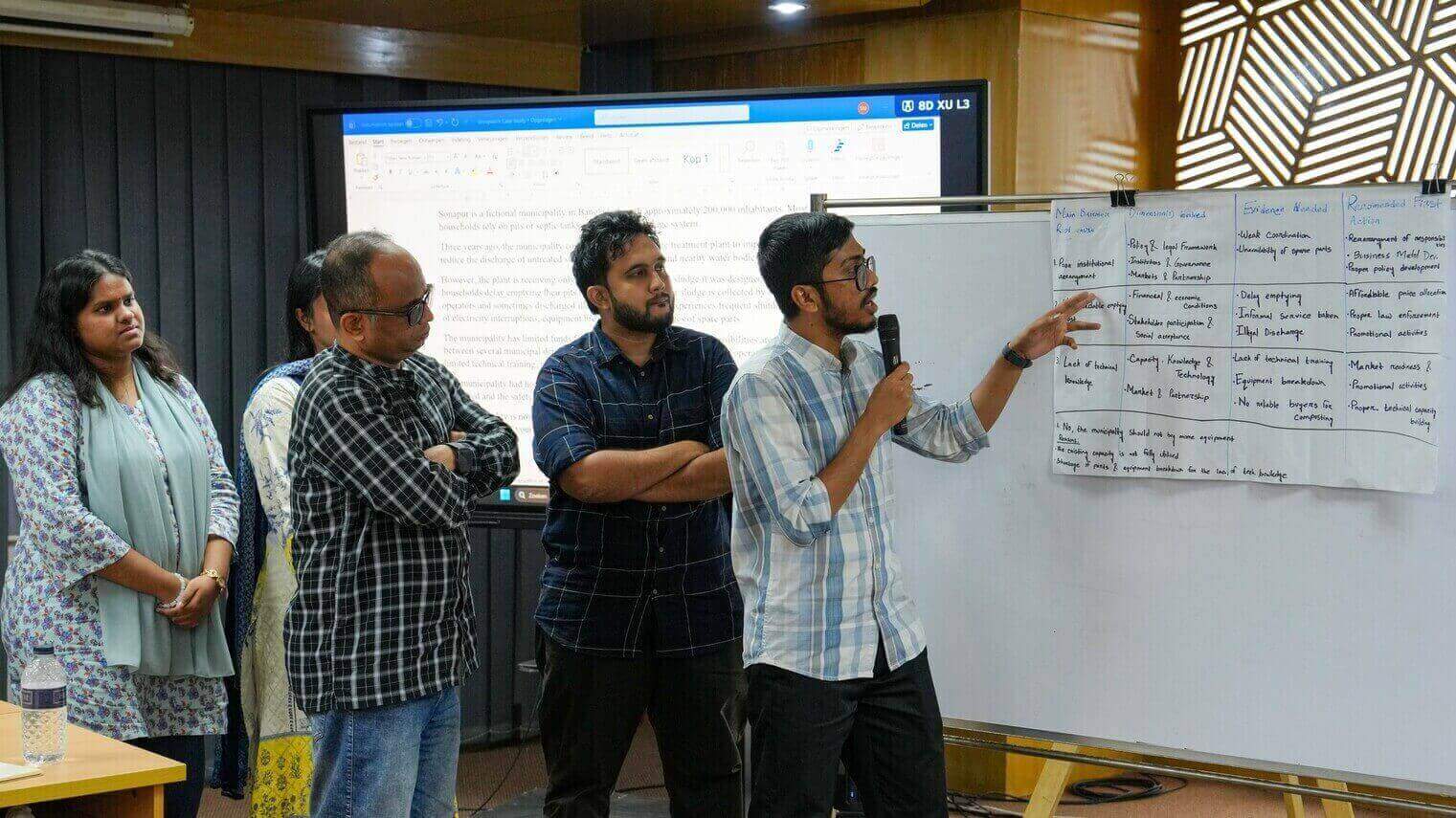
Through interactive sessions, group exercises and discussions, participants explored six key dimensions of an enabling environment: policy and legal frameworks, institutions and governance, financial and economic conditions, stakeholder participation and social acceptance, capacity and technology, and markets and partnerships. Practical exercises using the Integrated Solid Waste Management (ISWM) model and SQUAT analysis enabled participants to identify challenges, assess enabling conditions and develop recommendations for sustainable urban services.
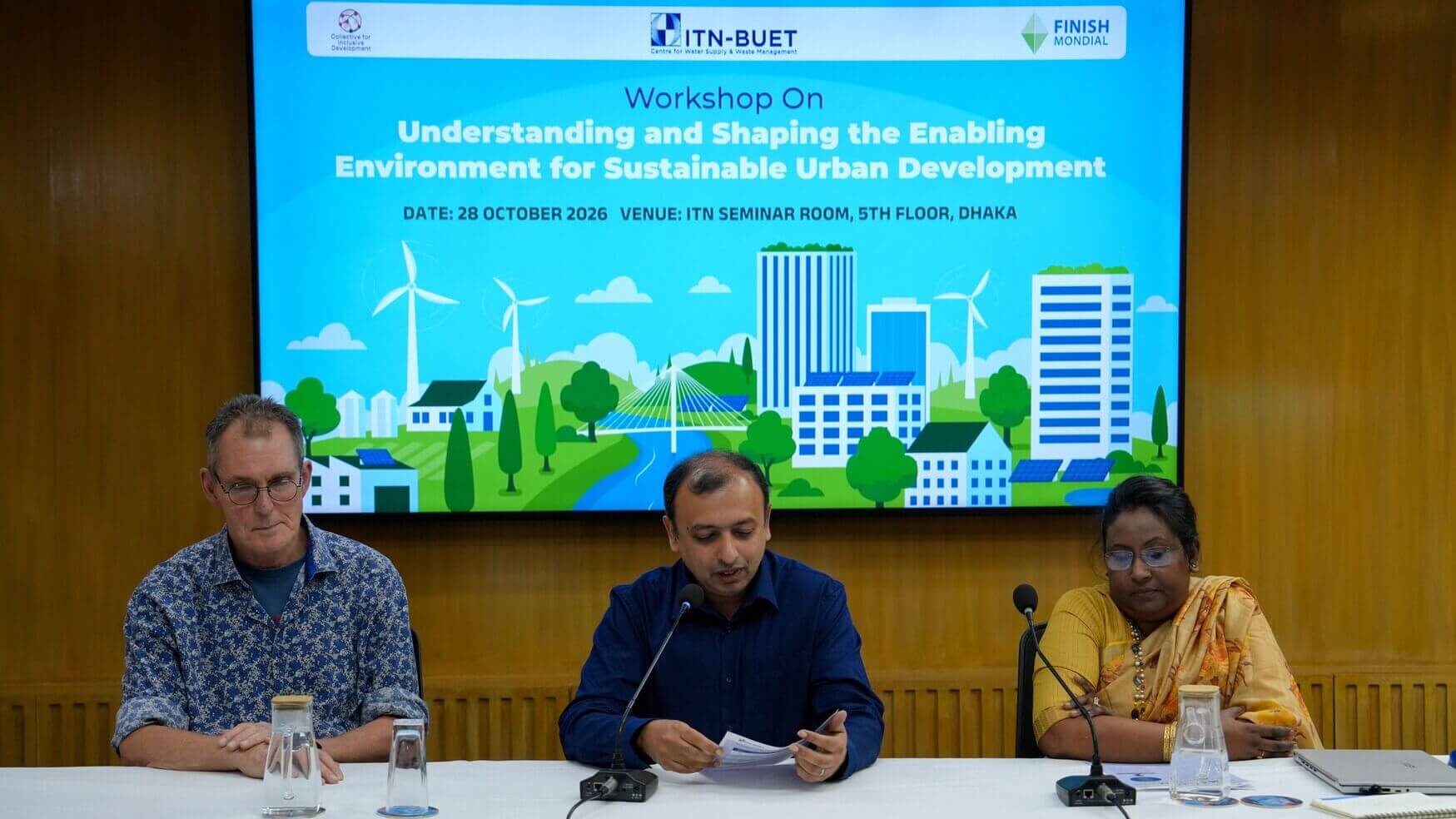
During the closing session, Dr. Tanvir Ahmed, Professor, Department of Civil Engineering, BUET, attended as the Chief Guest. He emphasized that the success of development projects depends not only on technical design and infrastructure but also on appropriate institutional arrangements, sustainable financing and effective operation and maintenance. Referring to the Department of Public Health Engineering’s (DPHE) initiatives to establish Fecal Sludge Treatment Plants (FSTPs), he highlighted how the gap in institutional, financial and operational arrangements can undermine the long-term performance and sustainability of infrastructure investment.
Ms. Wahida Anjoom, Managing Director and Chief Executive Officer (CEO) of the Collective for Inclusive Development (CFID), attended as the Honourable Guest. She highlighted the importance of connecting technical solutions with the enabling conditions required for effective implementation. She encouraged participants to consider financing mechanisms, institutional responsibilities, operation and maintenance, and long-term service sustainability when planning and implementing development work.
Mr. Stan Maessen, shared his practical insights into how technical solutions can be aligned with institutional, economic, social and environmental considerations. He encouraged participants to look beyond technical designs and consider the broader governance, market and stakeholder factors that influence the long-term effectiveness of development initiatives.
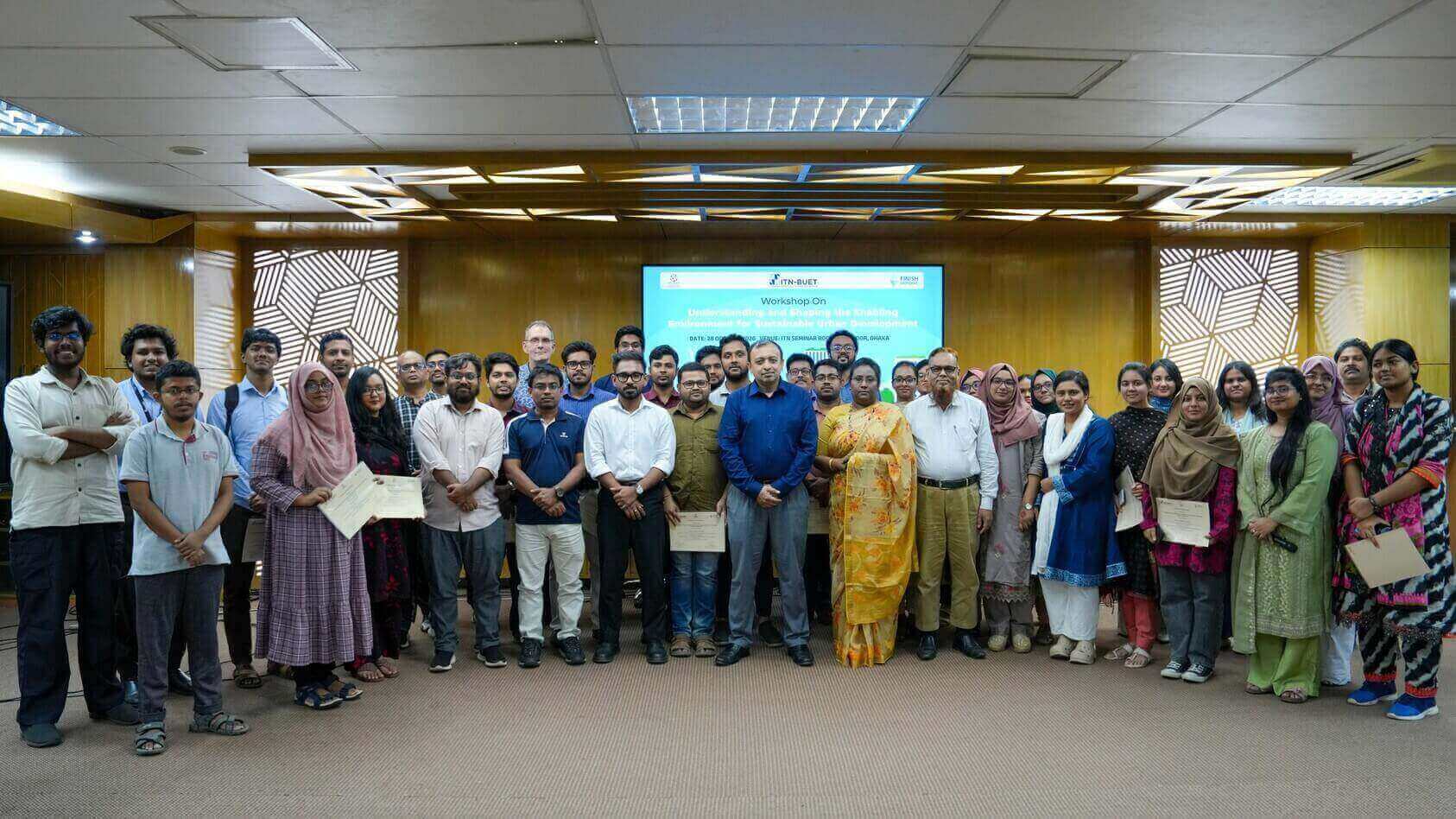
The workshop concluded with distribution of certificates to participants. It reinforced the importance of an integrated approach to sustainable urban development, combining technical solutions with effective governance, institutional coordination, financial viability and stakeholder engagement and long-term service management. The knowledge and practical insights gained are expected to support participants in applying an enabling environment perspective to their future professional work and contribute to more inclusive and sustainable urban services.