
The International Training Network (ITN-BUET) officially launched its latest research publication, “ITN Research Series 21: Assessment of Urban Sanitation and Empowerment of Women in Meherpur and Saidpur Municipalities, Bangladesh,” during the National Seminar on Water Rights in Bangladesh held on April 25, 2026 at United International University (UIU), Dhaka.
The publication was launched in alignment with the World Water Day 2026 theme, “Water and Gender: Where Water Flows, Equality Grows,” highlighting the importance of integrating gender-responsive approaches into the Water, Sanitation, and Hygiene (WASH) sector.
The seminar was chaired by Prof. Dr. Md. Abul Kashem Mia, Vice Chancellor of UIU. Mr. Forhad Hossain Azad, MP, State Minister for the Ministry of Water Resources, attended the seminar as chief guest. Dr. Hossain Zillur Rahman, Chairperson of the Governing Body of BRAC, joined as the Guest of Honor.
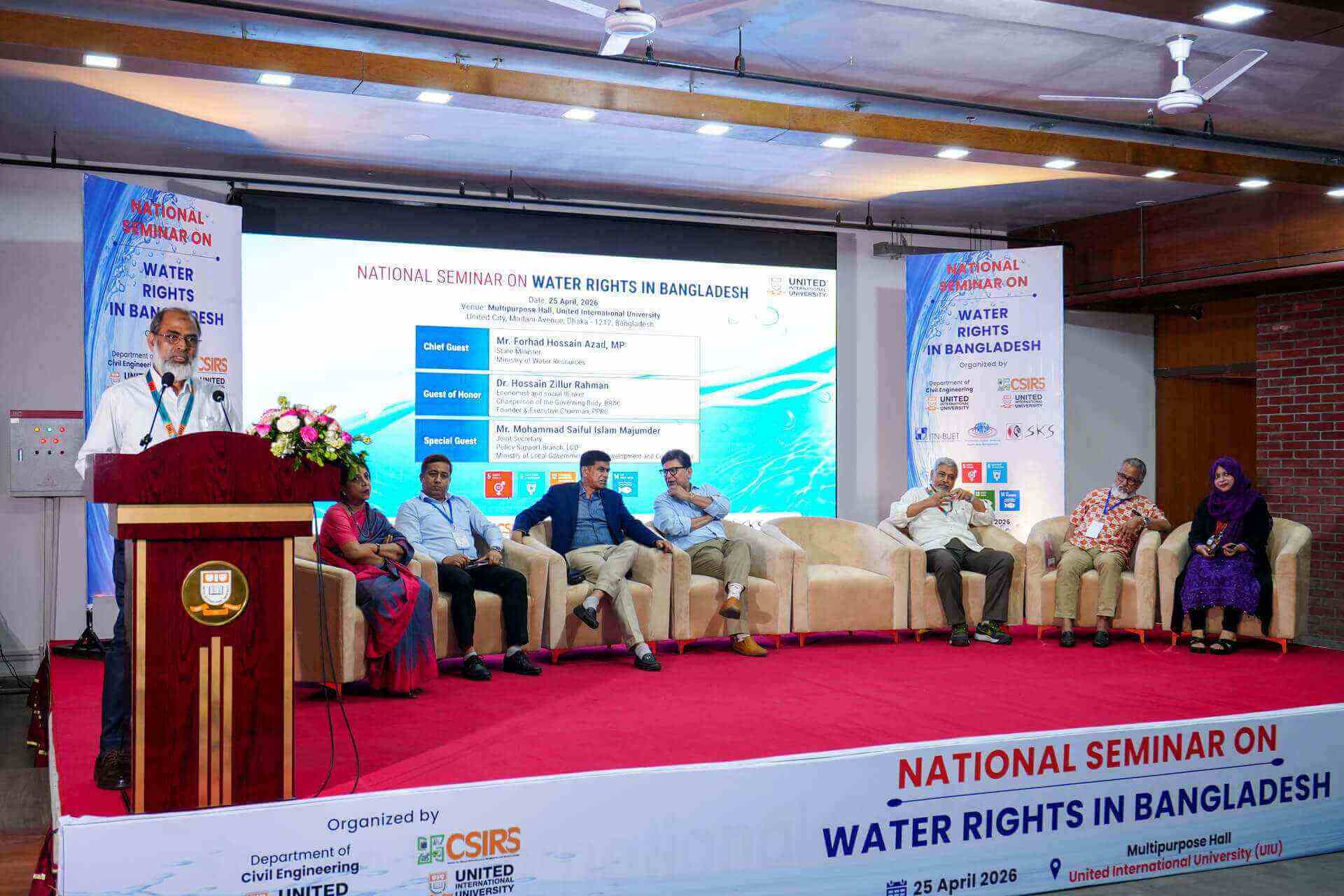
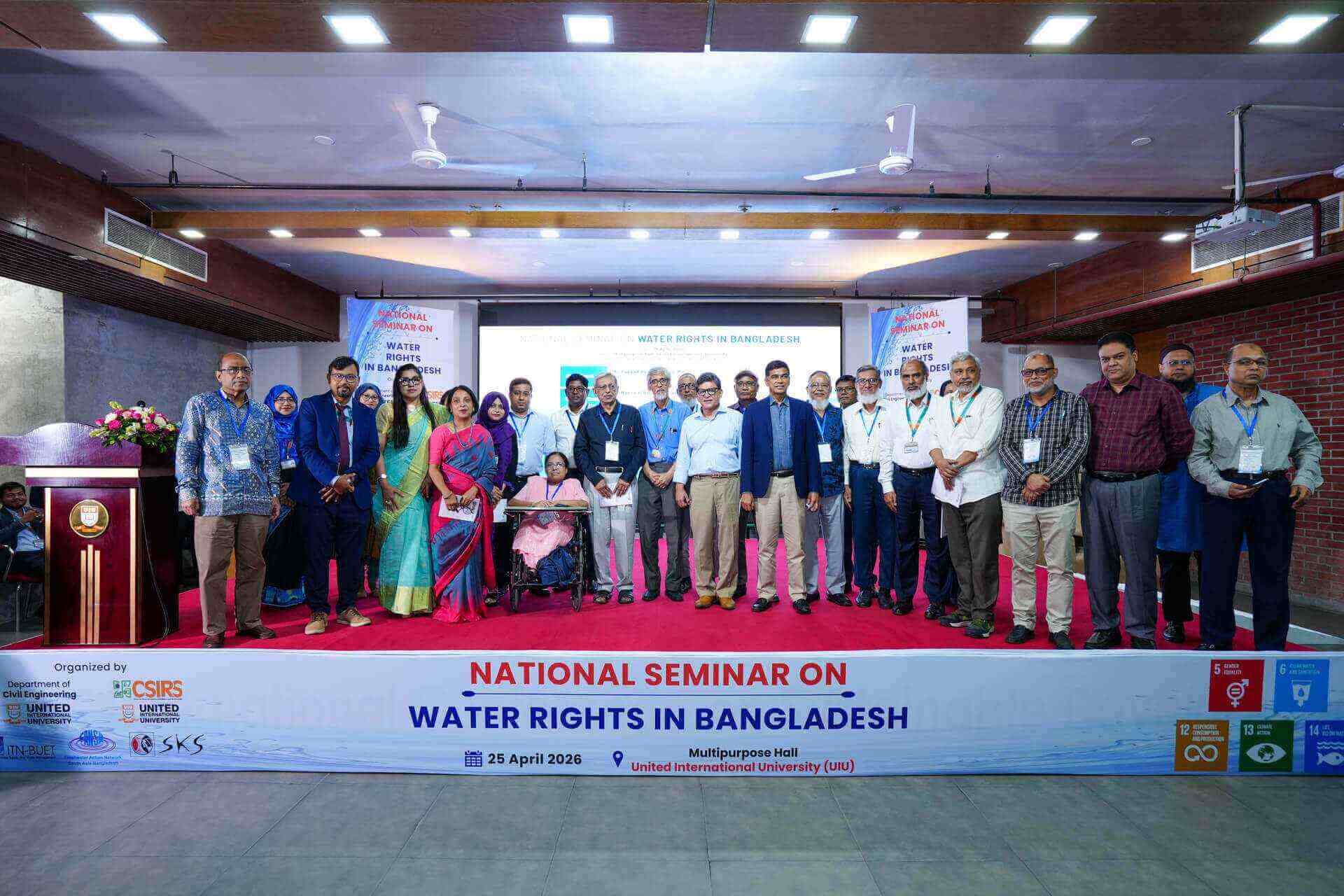
Special guests included Mr. Mohammad Saiful Islam Majumder, Joint Secretary, Local Government Division (LGD); Prof. Dr. Rowshan Mamtaz, Director, ITN-BUET; Prof. Dr. Md. Mujibur Rahman, Professor, Civil Engineering of UIU; Dr. Rumana Afrin, Head of Civil Engineering, UIU; and Prof. Dr. M. Feroze Ahmed, former director of ITN-BUET.
The publication presents findings from the Measuring Urban Sanitation and Empowerment (MUSE) study, which surveyed 1,449 women across Meherpur and Saidpur municipalities. The research assessed women’s empowerment through three key dimensions: Agency, Resources, and Institutional Structures.
The comparative analysis revealed a nuanced reality of urban sanitation in the two municipalities. Saidpur demonstrated comparatively stronger sanitation infrastructure and greater access to private facilities, while Meherpur showed more positive outcomes in terms of women’s active participation and decision-making roles related to sanitation services.
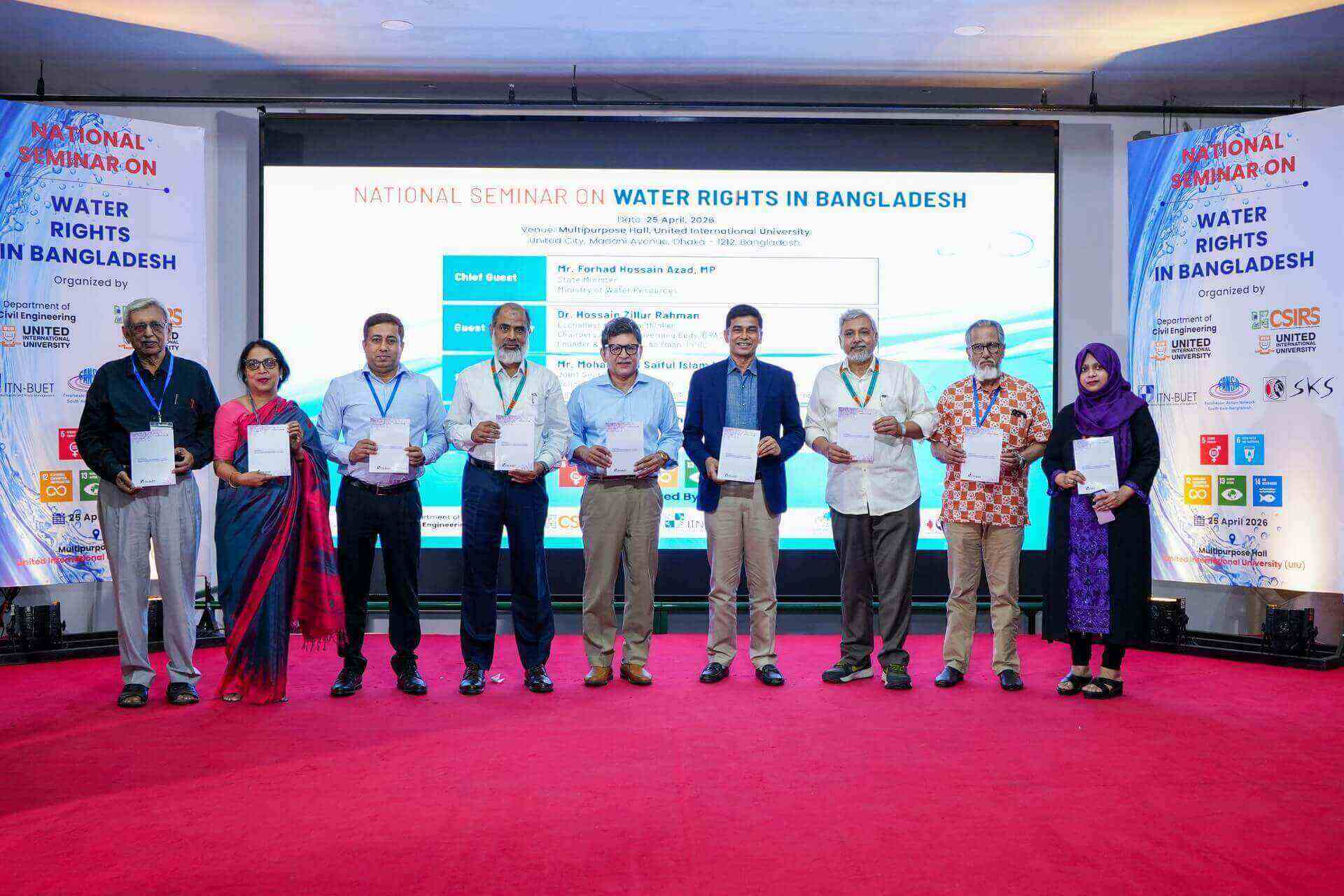
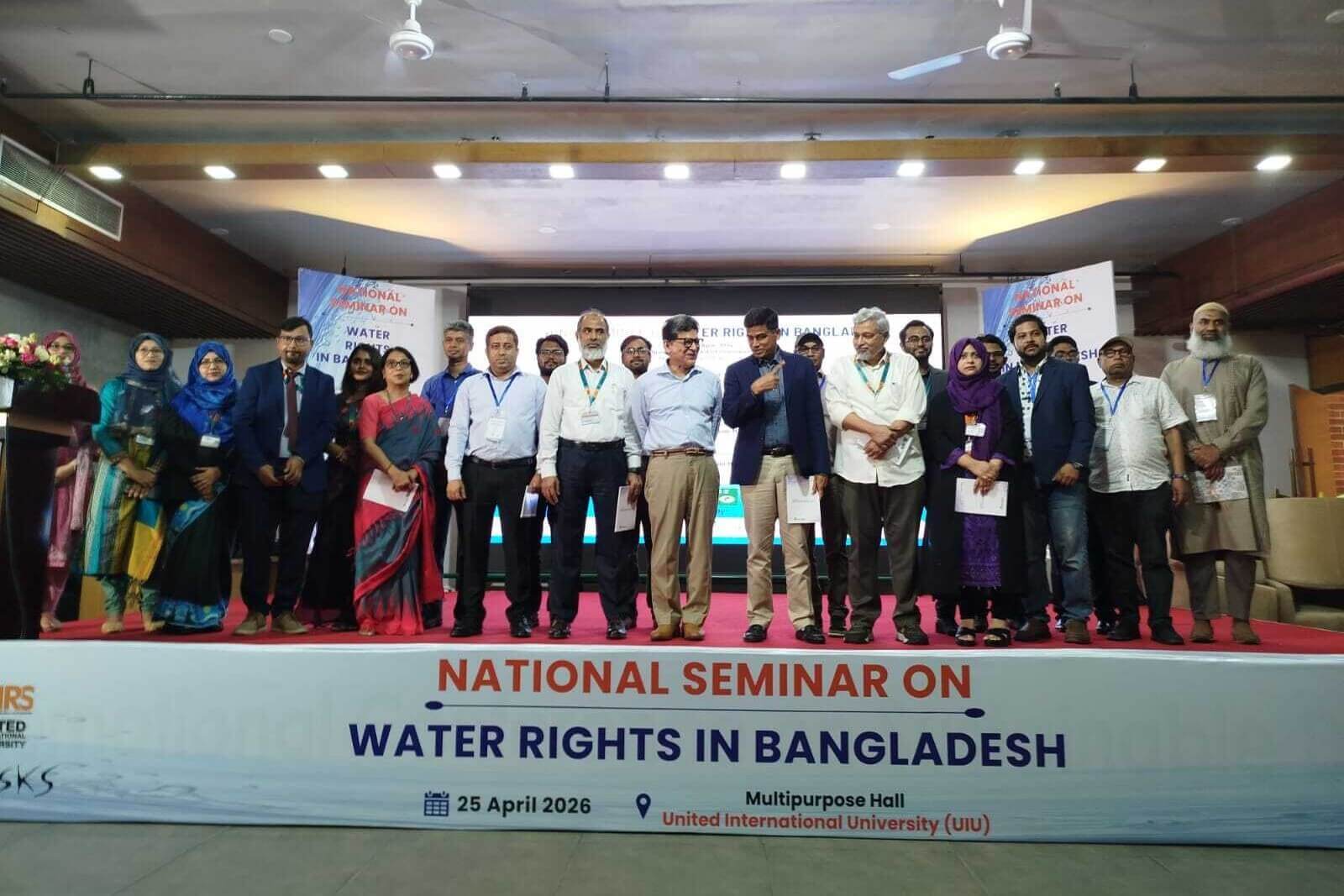
The study highlights that improved sanitation infrastructure alone does not automatically translate into women’s empowerment. Findings from the two municipalities indicate that increased access to facilities does not necessarily ensure women’s inclusion in decision-making processes.
The report emphasizes the importance of need to combining service delivery with initiatives that strengthen women’s leadership, participation, and institutional inclusion to achieve equitable and sustainable sanitation systems. It also calls upon policymakers and urban planners to prioritize gender-responsive designs, accountability and inclusive governance within the sanitation sector.
This latest series reflects ITN-BUET’s continued commitment to evidence-based research and knowledge generation, contributing to the advancement of inclusive and socially equitable urban sanitation practices in Bangladesh.