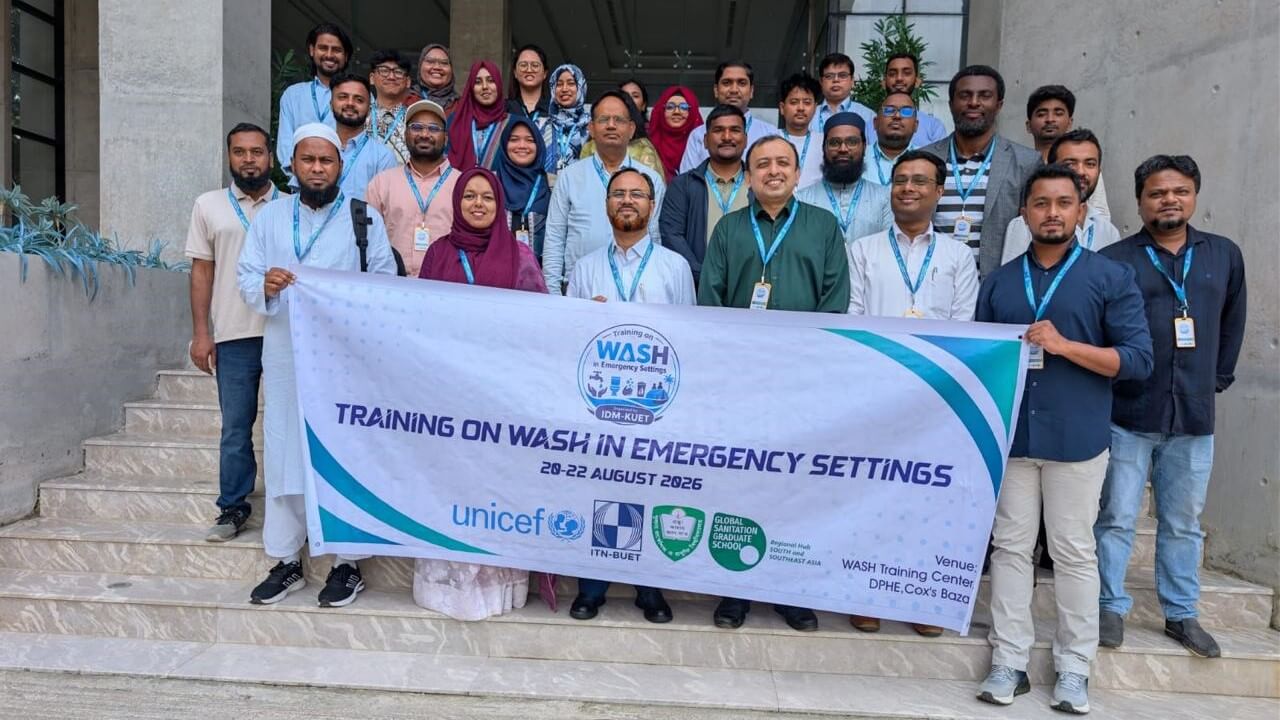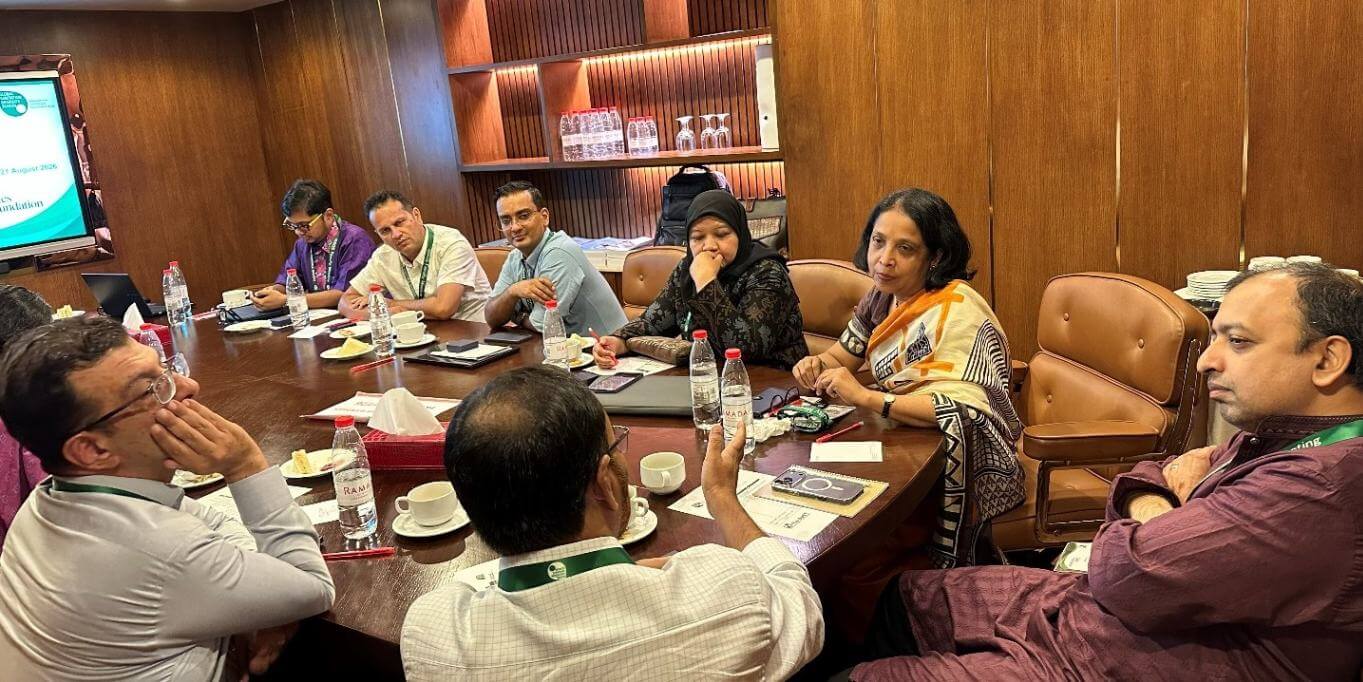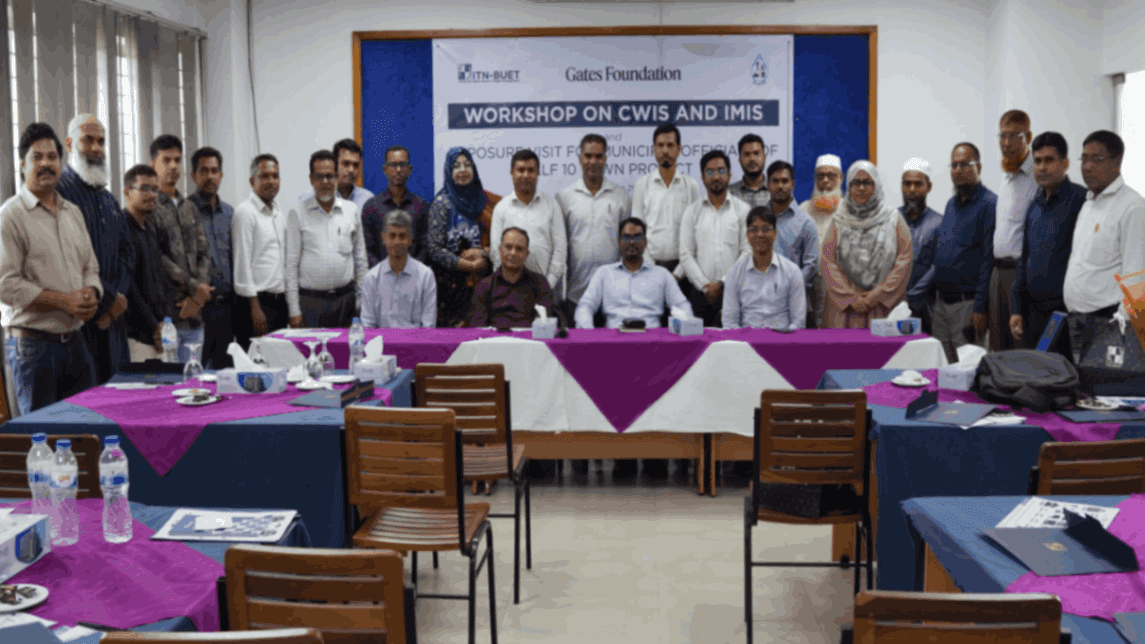

ITN-BUET facilitated a three-day training titled “Climate Resilient Water Safety Plan (CR-WSP)” under the Strengthening Institutions for Climate Change Adapted Water Resource Management in Dhaka (SAIDABAD) Project. The training was organized in association with Dhaka WASA, with support from GIZ Bangladesh. The training aimed to strengthen institutional capacity for climate-resilient water safety planning to ensure safe and sustainable water supply from Haria Intake.
At the inaugural session, Mr. Md. Mustafizur Rahman, Project Director of the Saidabad Water Treatment Plant Phase-III Project, stressed the need for strong institutional coordination and climate-resilient water safety planning around the Haria intake and the Meghna River system. Prof. Dr. Rowshan Mamtaz, Director of ITN-BUET, highlighted that water safety planning is a multi-stakeholder responsibility and noted that the field visit is an integral, hands-on part of the training. Ms. Martina Liebermann, Cluster Coordinator, GIZ in Bangladesh, emphasized bringing the strengths of the participating institutions (DoE, DWASA, and DPHE) together within a coordinated risk management framework. Mr. Mohammad Solaiman Haider, Director of the Department of Environment (DoE), highlighted the challenge of non-point pollution sources and called for greater engagement from local government institutions and the private sector, framing the protection of Meghna’s water quality as a shared, multi-stakeholder responsibility.
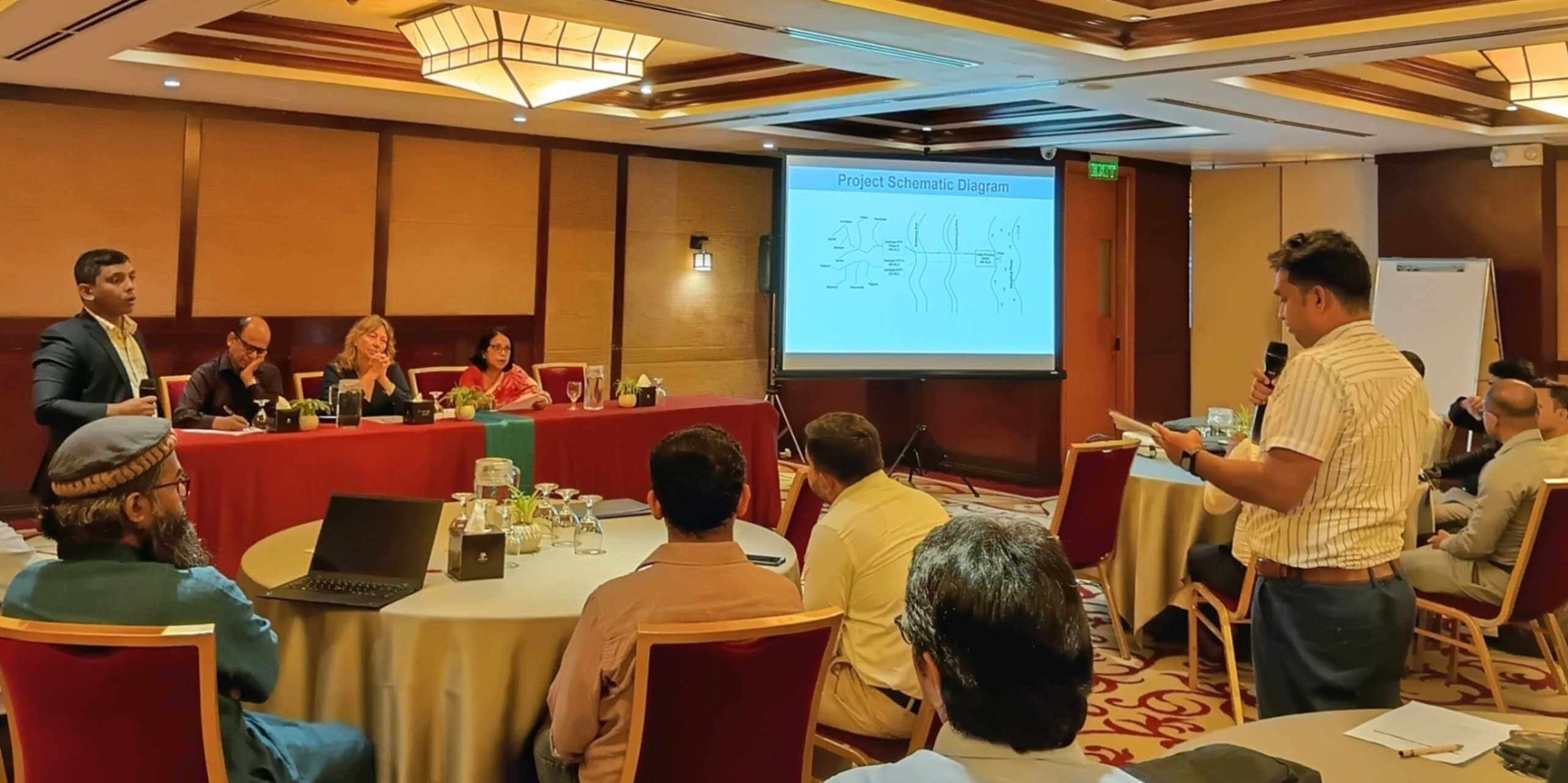
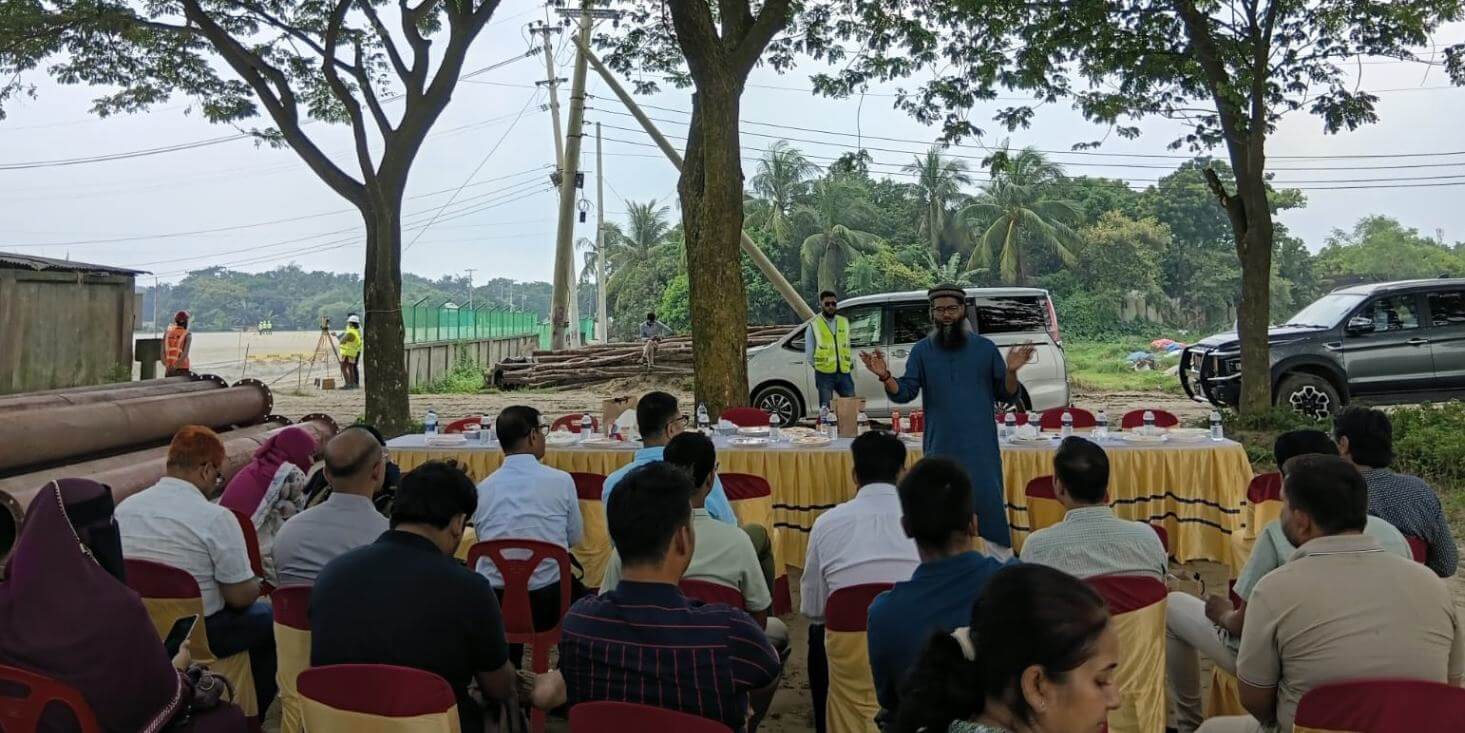
The second batch of the CR-WSP training, held from 6 to 8 September 2026, brought together a group of stakeholders, representing the Department of Environment (DoE), the Department of Public Health Engineering (DPHE), the Dhaka Water Supply and Sewerage Authority (DWASA), and GIZ in Bangladesh at SIX SEASONS Hotel. This composition differed from the first batch, which primarily comprised municipal-level stakeholders.
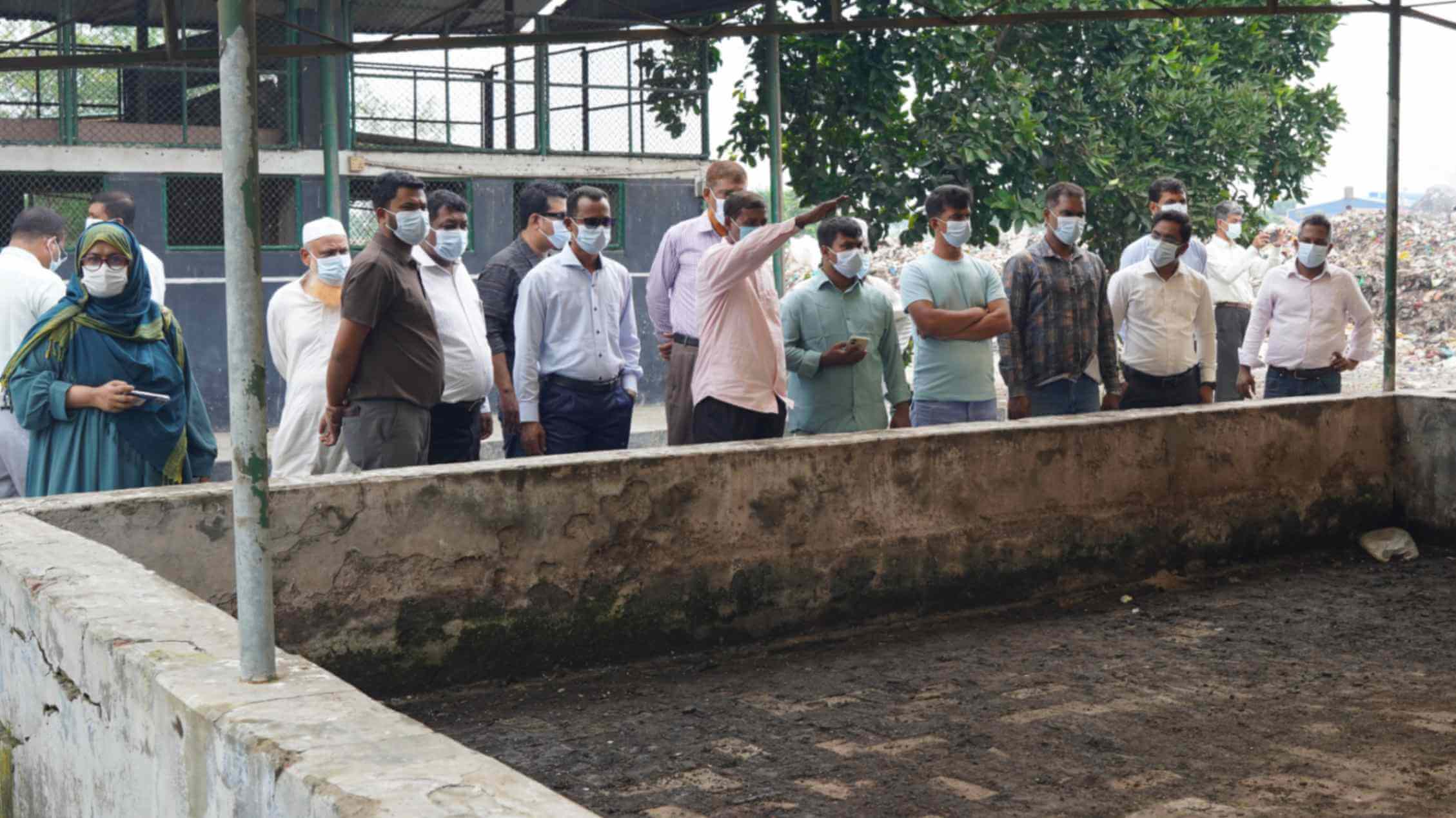
Over the three days, 21 participants, including female participants, attended sessions on key CR-WSP components, supported by practical exercises and a field visit to the Haria Intake, where DWASA officials also briefed participants on the Haria Intake. The field visit highlighted major pollution sources, including wastewater, industrial effluents, and solid waste.
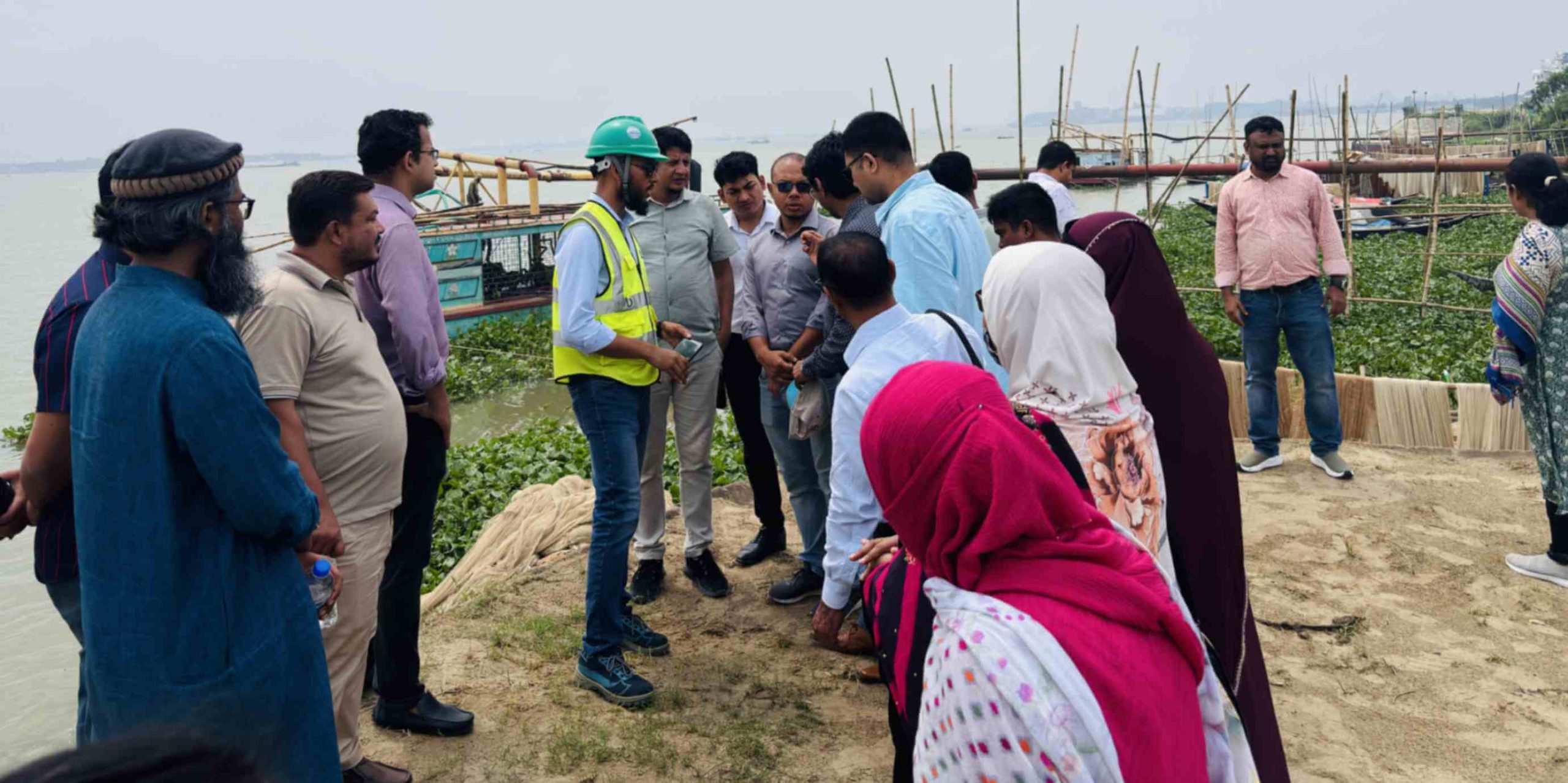
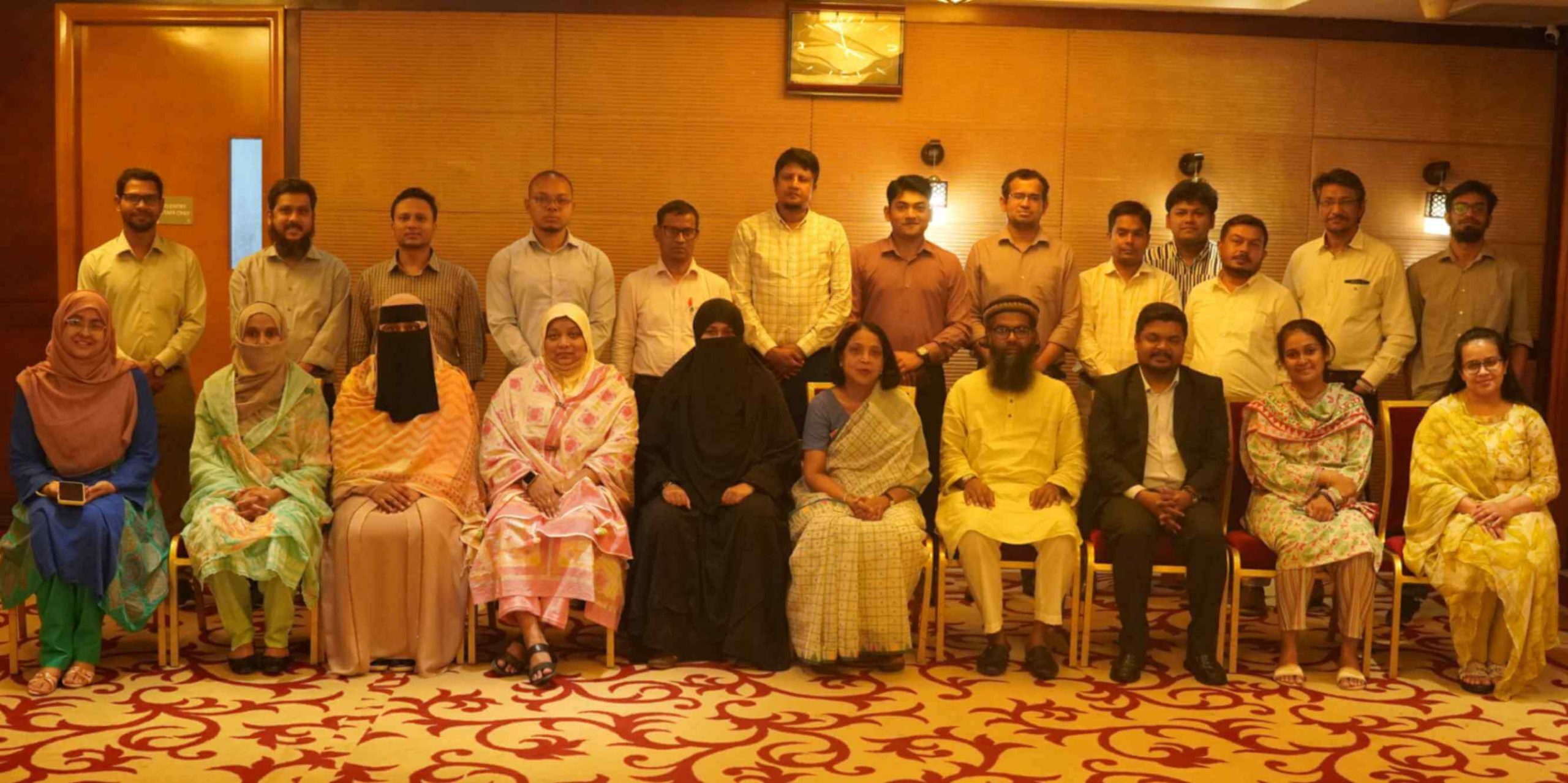
At the closing ceremony, Mr. Mohammad Ishtiuq Hossain, Senior Advisor (Implementation Manager), GIZ in Bangladesh, expressed gratitude to ITN-BUET and DWASA. Mr. Md. Taufiq Ahsanul Haque, Executive Engineer, DWASA, underscored active collaboration between DWASA and DoE to ensure safe water quality at the Haria Intake. Prof. Dr. Rowshan Mamtaz, Director, ITN-BUET, stressed the need for proper documentation and the formation of a committee to sustain the initiatives. The training concluded with the distribution of certificates to participants.