
Effective solid waste management is essential for ensuring healthy, livable, and sustainable cities. However, challenges related to service quality, governance, accountability, and public interest often remain underreported despite their significant impact on urban communities. Strengthening the capacity of journalists to investigate these issues through evidence-based reporting is therefore critical for promoting transparency, accountability, and informed public discourse.
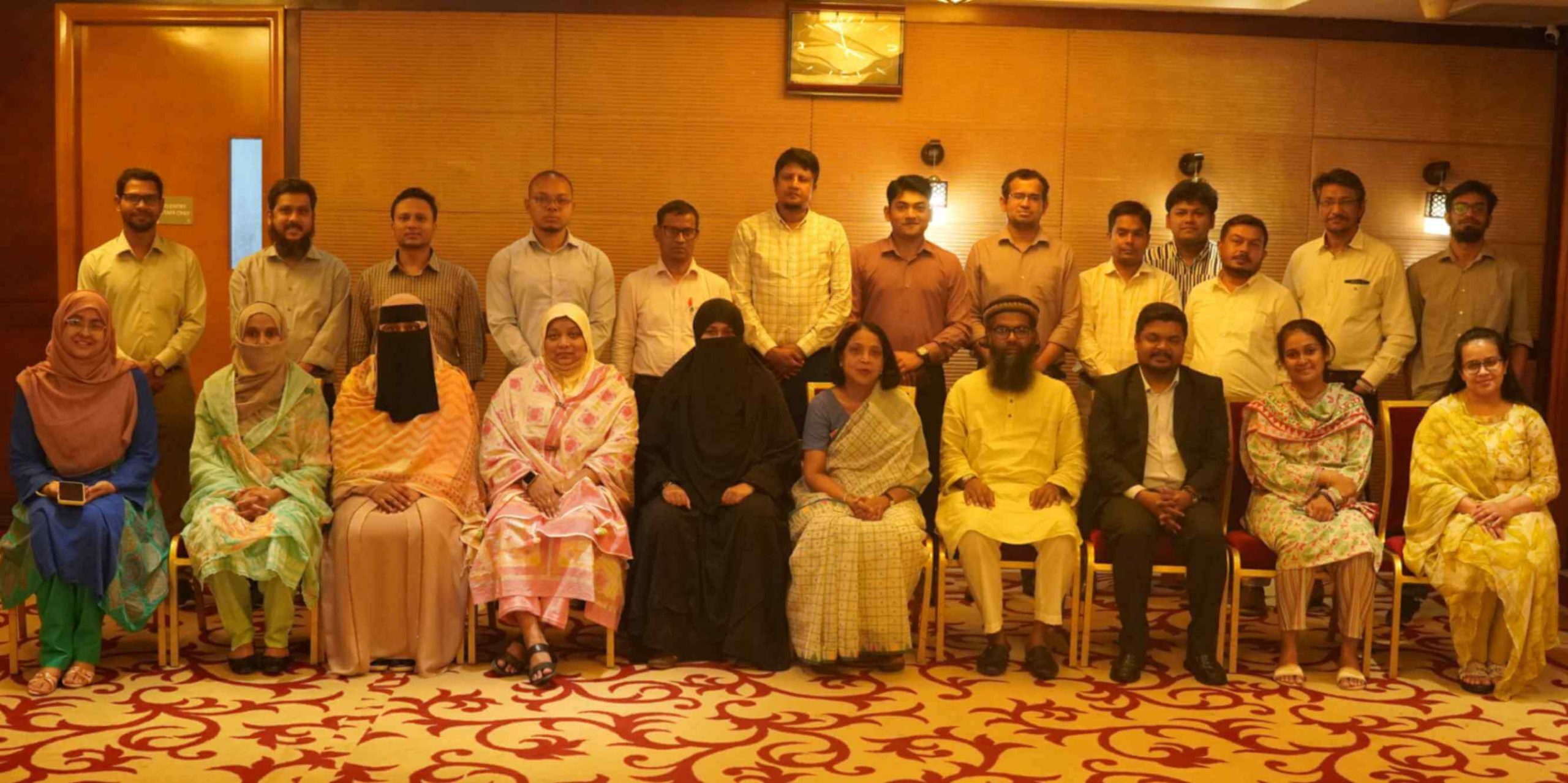
Against this backdrop, ITN-BUET strengthened the capacity of journalists to produce evidence-based investigative reports on solid waste management (SWM) through its role as the technical knowledge partner of a three-day residential Advanced Investigative Journalism Training on Solid Waste Management organized by Transparency International Bangladesh (TIB) at BRAC CDM during 2 to 4 July 2026. The training brought together 29 journalists from Dhaka and different regions of Bangladesh.
Widely recognized as a regional capacity-building hub for sanitation, ITN-BUET has long supported municipalities, government agencies, development partners, and sector professionals through training, research, knowledge management, and technical advisory services related to sanitation and waste management. Leveraging this expertise, the organization designed interactive learning sessions that translated complex solid waste management and governance concepts into practical insights for investigative reporting.
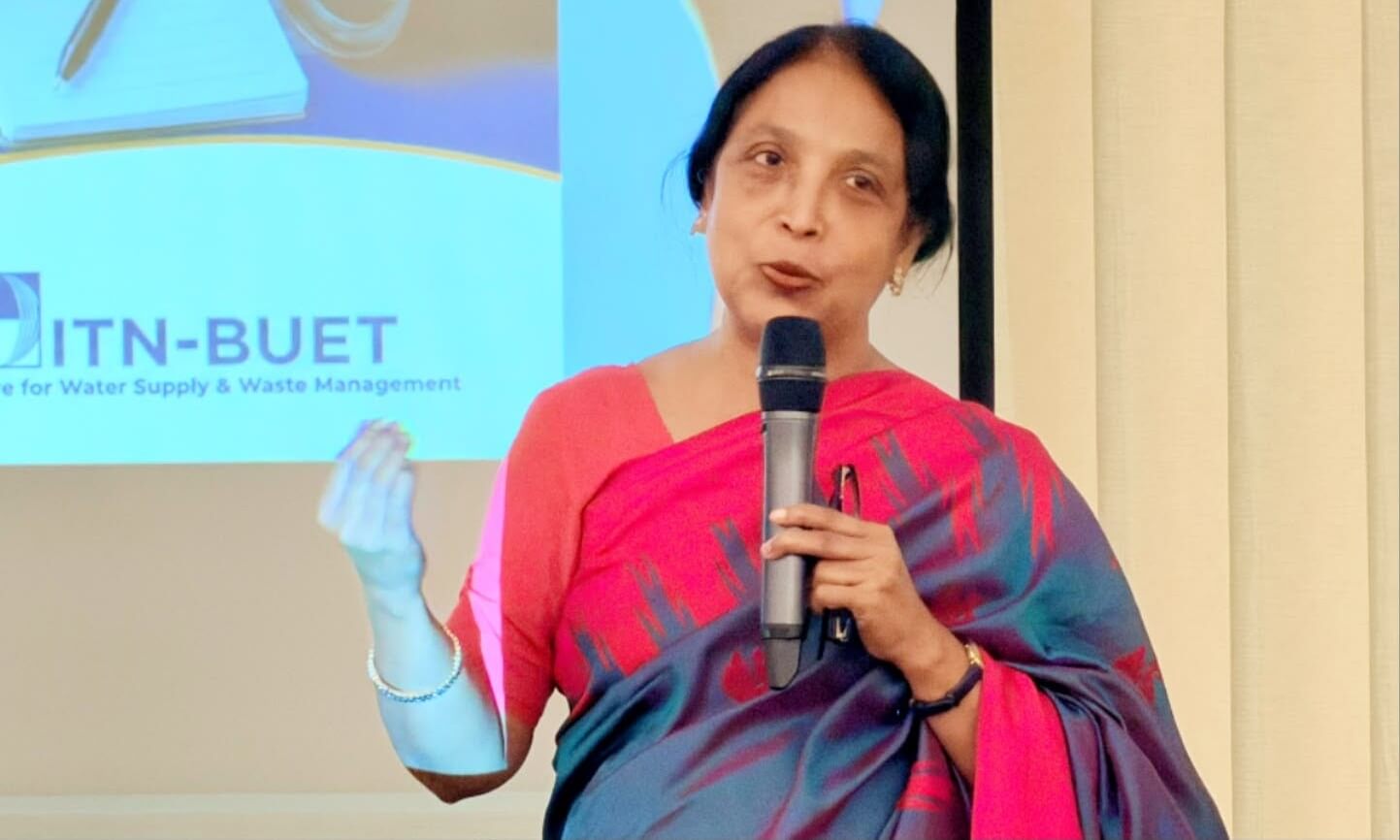
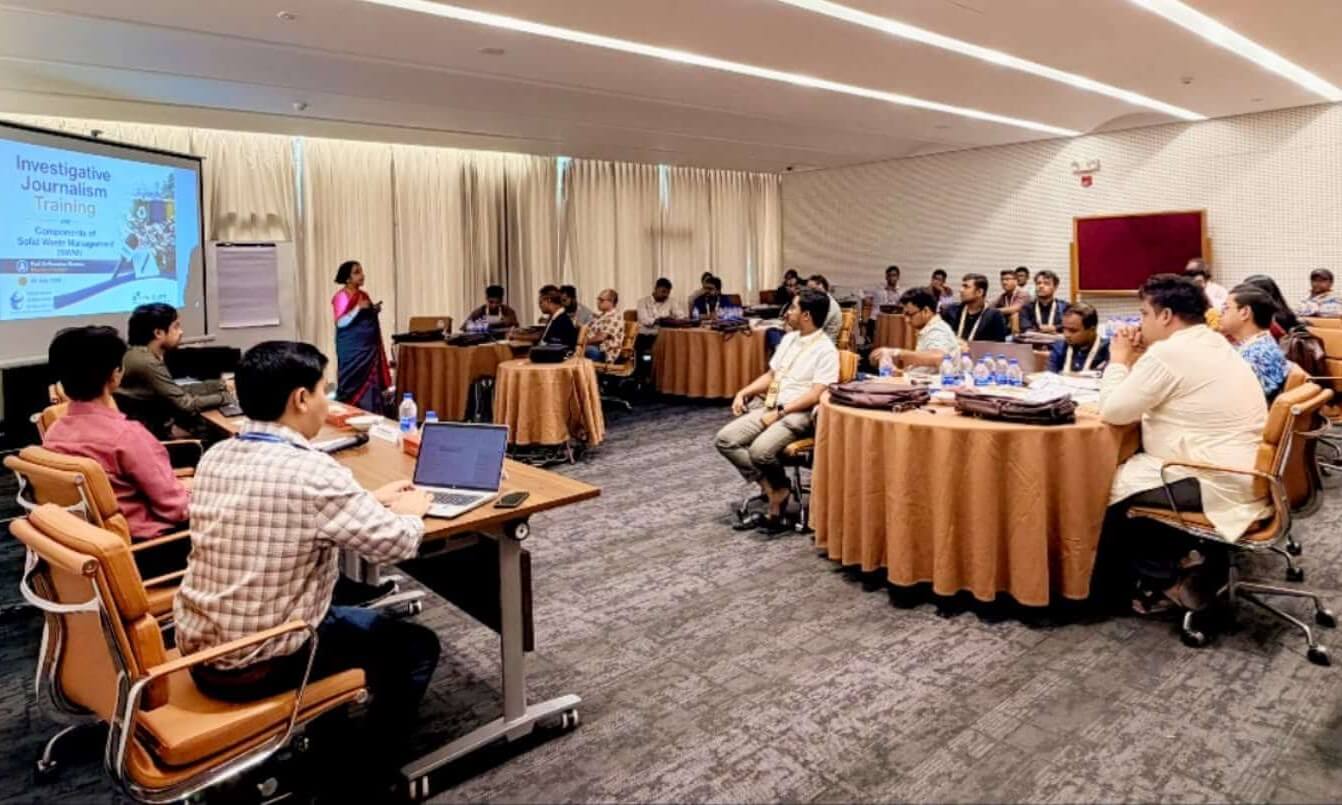
On the first day, Professor Dr. Rowshan Mamtaz, Director of ITN-BUET, together with Kazi Amin, Knowledge Management Specialist, led discussion on strategic planning and management of urban solid waste management. Their sessions provided participants with practical insights into urban waste management systems and highlighted key governance issues that require greater public attention through investigative journalism.
Participants appreciated the practical relevance of the training, emphasizing that the combination of technical knowledge, investigative methodologies, and AI-based reporting tools would strengthen their ability to produce evidence-based stories on solid waste management and contribute to greater transparency and accountability in the sector.
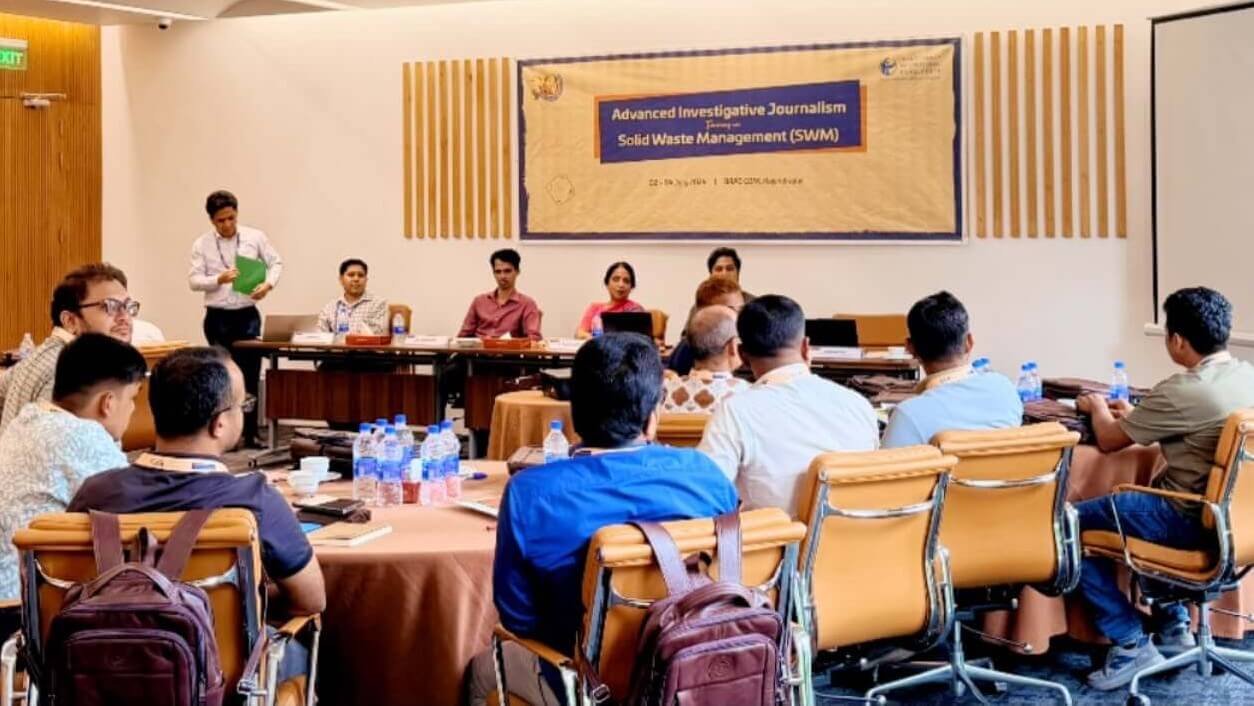
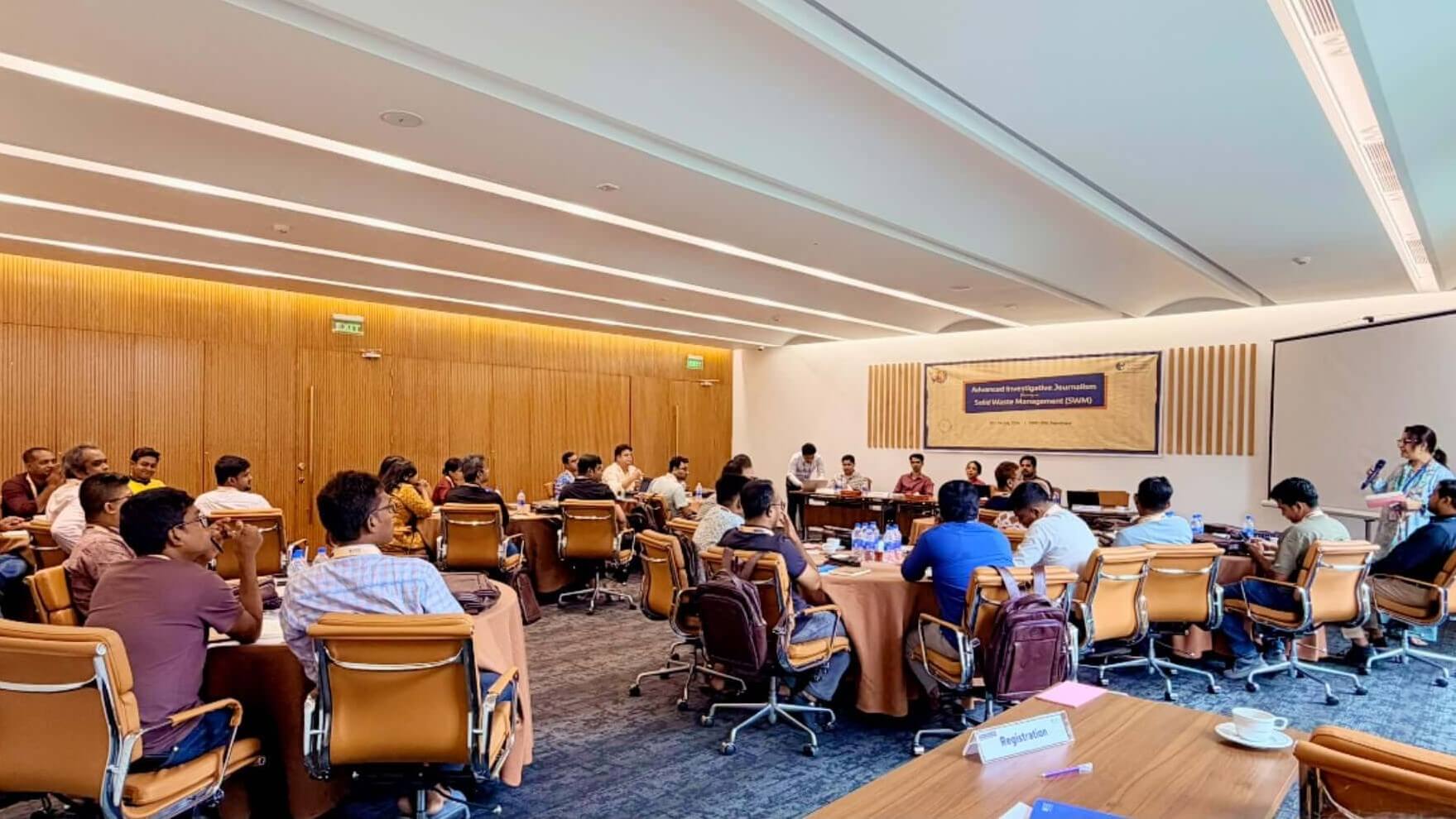
The training further integrated investigative journalism tools, research-based reporting techniques, and emerging applications of artificial intelligence (AI) in journalism. Participants exchanged field experiences, analyzed reporting challenges, and identified potential investigative story ideas, creating a dynamic platform for professional learning and collaboration.
Through its technical contribution to the training, ITN-BUET reaffirmed its commitment to strengthening knowledge and capacity on sustainable solid waste management in Bangladesh. By equipping journalists with practical understanding of waste management systems, strategic planning approaches, and governance challenges, ITN-BUET aims to support evidence-based reporting that promotes informed public discourse, transparency, accountability, and improved urban environmental services.