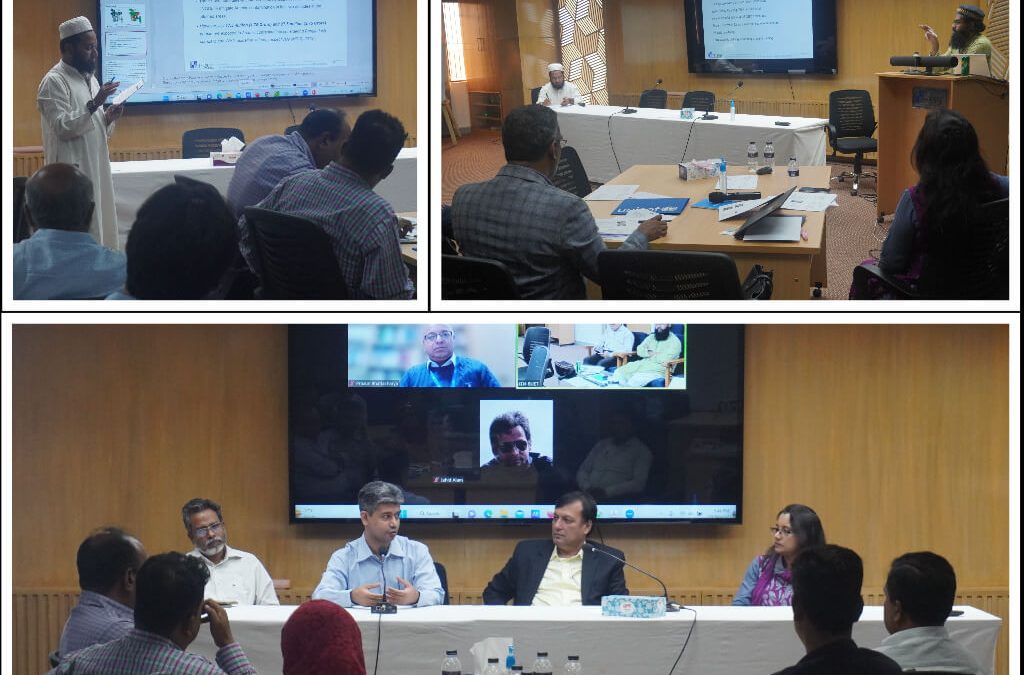
by Rakib Uddin Ahmed | Dec 25, 2022
1. Overview Improved facilities for drinking water supply do not guarantee that the water is safe to drink unless it is tested and meets recommended water quality guidelines. In Bangladesh, there are 17.5 million people exposed to arsenic contamination in their...
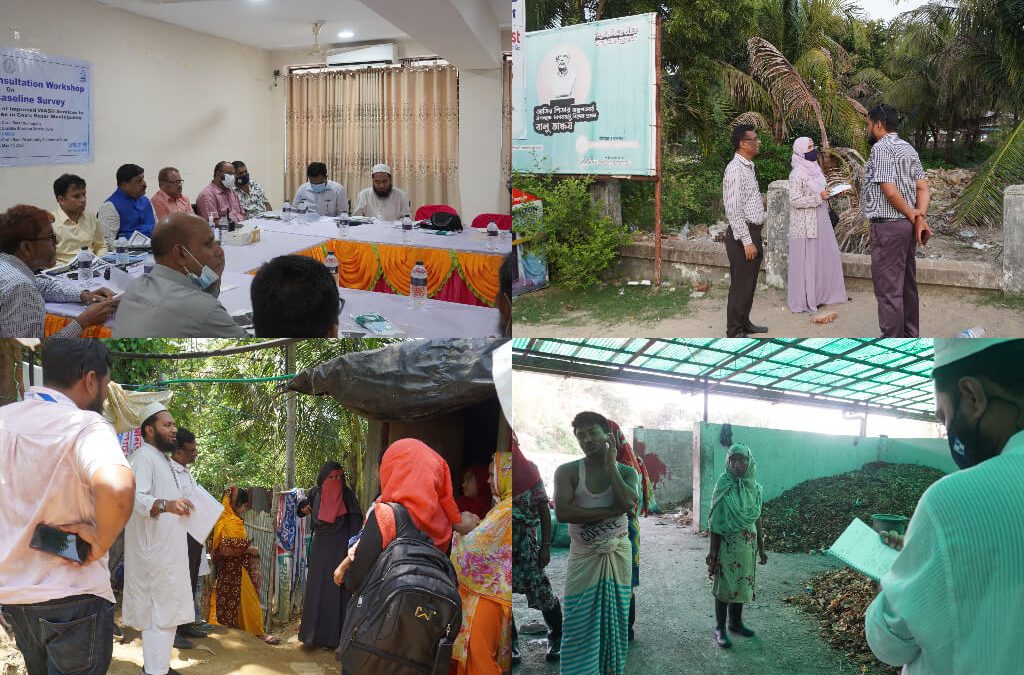
by Rakib Uddin Ahmed | Dec 1, 2022
Overview DSK, with funding support from UNICEF and in collaboration with Cox’s Bazar Municipality, will implement a WASH project to improve the sanitary environment and public health conditions in low-income communities in Ward no. 7 & 8 in Cox’s Bazar...
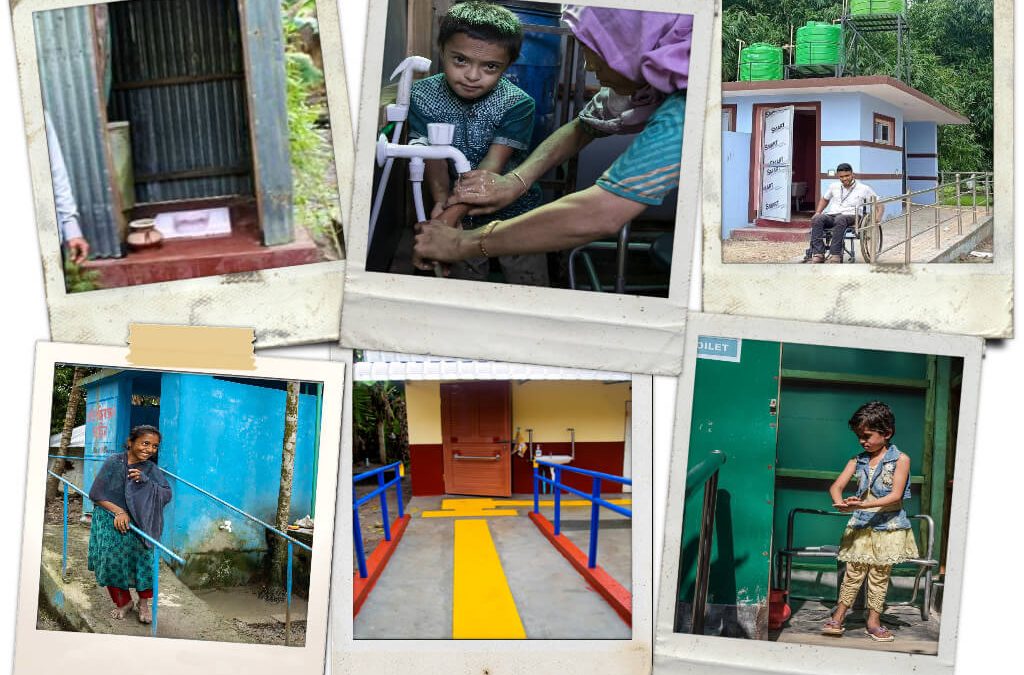
by Rakib Uddin Ahmed | Dec 1, 2022
Background SanMarkS II is a scale-up of the SanMarkS project that aims to improve access to sanitation products and services in rural communities in Bangladesh. It uses a market development approach and demand creation activities to encourage positive behavior changes...
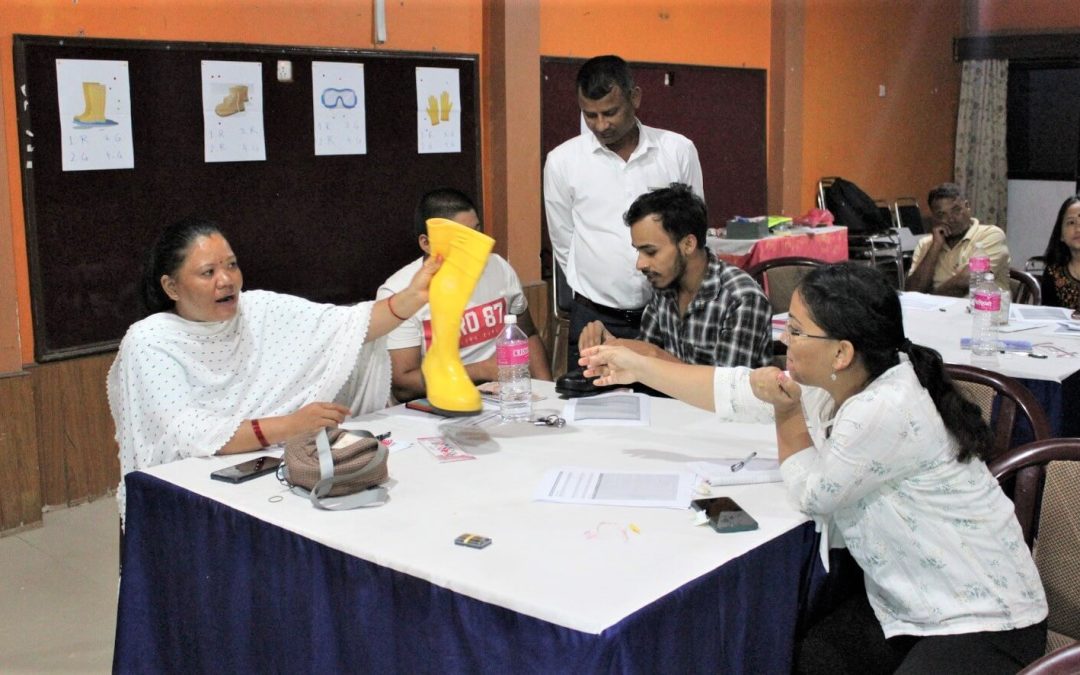
by Rakib Uddin Ahmed | Jul 1, 2022
There is a significant knowledge gap among sanitation and waste workers in Asia and the Pacific region, leading to challenges in health, safety, and hygiene practices that affect their well-being and dignity. The Asian Development Bank (ADB) has assigned the...
by Rakib Uddin Ahmed | Jul 11, 2021
Water and sanitation policy 1998 stated that O&M would be the responsibility of the user groups. But in case of higher-level services options like PSF, MAR, AIRP, piped water system and community, and public toilets etc., this is beyond the capacity of individuals...


Recent Comments