

Projects
Explore environmental and development research with ITN-BUET
projects.

Innovative Multistage Co-Liquefaction of Lignocellulosic Biomass and Wastewater Sludge for Enhanced Middle Distillate Biocrude Production
Hydrothermal liquefaction (HTL) offers a sustainable way to convert Bangladesh’s abundant wastewater sludge and lignocellulosic biomass into valuable biocrude. This study proposes a novel multistage co-HTL process to enhance middle distillate production, providing an alternative to fossil fuels while supporting national sustainability goals.
Socially sustainable WASH integrated spatial model for informal settlement
Urban informal settlements struggle with inadequate WASH services due to dense, unplanned layouts and socio-cultural constraints. This research proposes a socio-spatial WASH model that combines spatial analysis with user preferences to optimize facility placement and enhance accessibility, safety, and community acceptance. Focusing on Khulna, Bangladesh, it aims to improve living conditions and guide effective interventions for vulnerable communities.
On-Site Rapid Anaerobic Digestion of Faecal Sludge with Suitable Agents in the Conventional Latrine
Faecal sludge management remains a major challenge in low- and middle-income countries, where conventional anaerobic digestion is limited by slow degradation, poor pathogen removal, and scalability issues. This research proposes Quick Digestant of Faecal Sludge (QDFS)—a blended product combining enzymatic pre-treatment, co-digestion principles, deodorants, and disinfectants—to accelerate sludge breakdown, reduce odors, eliminate pathogens, and improve on-site treatment. QDFS aims to offer a cost-effective, scalable solution that enhances public health and reduces environmental risks in underserved communities.
January 2025 to ongoing
Biogas Production Optimization Approach through Anaerobic Co-digestion of Tannery Fleshing and Fecal Sludge
This research investigates anaerobic co-digestion of tannery fleshing and fecal sludge as a sustainable waste-to-energy solution for Bangladesh. By optimizing substrate ratios and operational conditions, the study aims to enhance methane production while reducing waste volumes and environmental pollution. The findings could support circular, energy-efficient practices in industrial zones such as the Savar Tannery Estate.
November 2024 to ongoing
Stabilization of Carbonized Fecal Sludge in Construction Material
This research explores using carbonized fecal sludge as a raw material for brick production in Bangladesh. By incorporating treated FS into clay bricks, the study aims to reduce environmental pollution, stabilize harmful waste, and create lightweight, durable construction materials, promoting a circular economy and sustainable waste management.
July 2024 to ongoing
Comparative analysis of the Willingness to Pay (WTP) techniques: Predicting sanitation behaviors of users (landlords and tenants) by comparing WTP techniques for sanitation services in urban slums Dhaka, Bangladesh.
This research compares three willingness-to-pay (WTP) techniques—Discrete Choice Experiments, Contingent Valuation, and Hedonic Pricing—to predict sanitation behaviors of landlords and tenants in Dhaka’s urban slums. By analyzing user preferences, socio-economic factors, and tenure dynamics, the study aims to identify the most accurate method for guiding equitable, financially sustainable sanitation programs and advancing SDG 6.
June 2024 to ongoing

Implementation of Water and Sanitation for Health Facility Improvement Tool (WASH-FIT) in 16 HCFs in Bangladesh
UNICEF Bangladesh and ITN-BUET implemented WASH FIT in 16 HCFs to enhance infrastructure, infection control, and care quality. They conducted workshops, formed teams, and developed improvement plans based on thorough assessments.
February 2024 to April 2024
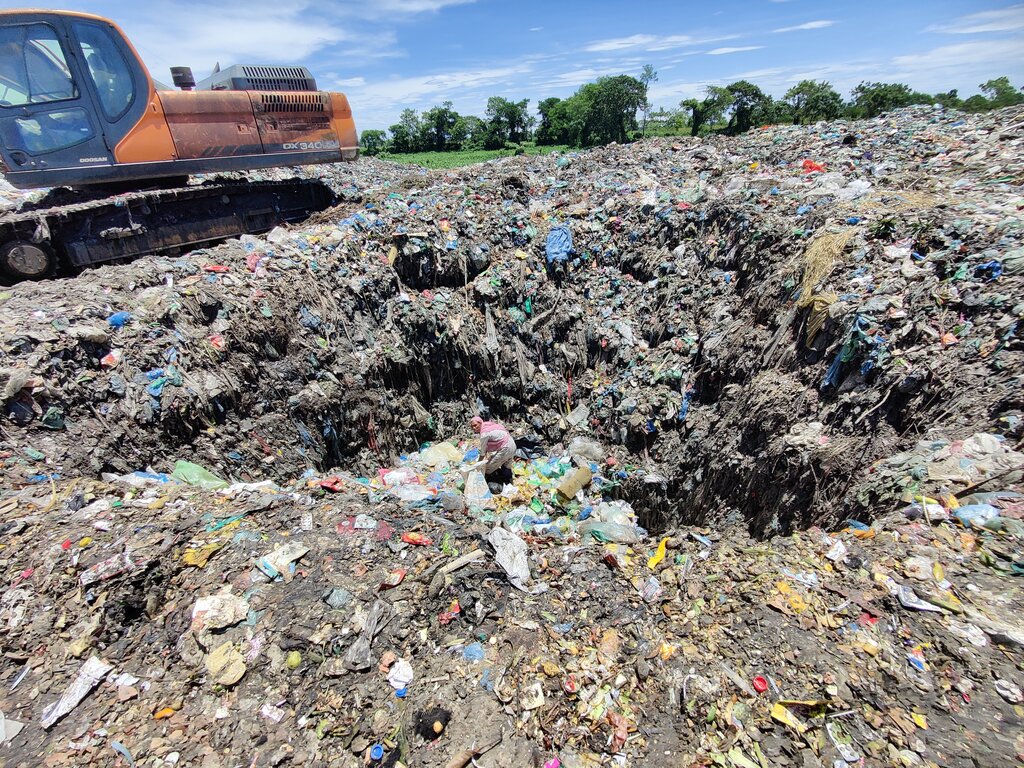
Review of Policies and Institutional Landscape on Solid Waste Management in Urban Settings of Bangladesh
ITN-BUET, supported by SNV and the Dutch Embassy, led the “Transitioning to Sustainable Urban Water Cycles in Bangladesh” project to enhance urban waste management in 12 cities. They provided technical expertise for policy and system analysis to improve urban sanitation and waste services.
July 2023 to December 2023
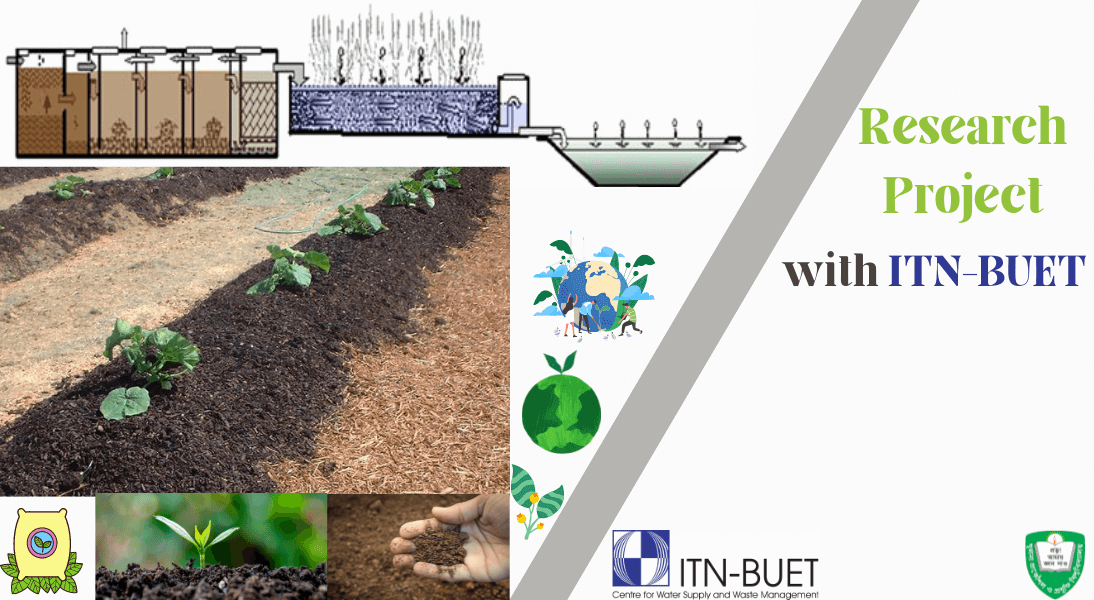
Co-Composting of Fecal Sludge and Tannery Liming Sludge: A Novel Approach
The major objectives of this research project are to assess the suitability of using fecal sludge and liming sludge for producing agricultural-grade compost, examine the physicochemical characteristics of the compost, and evaluate its seed germination capacity.
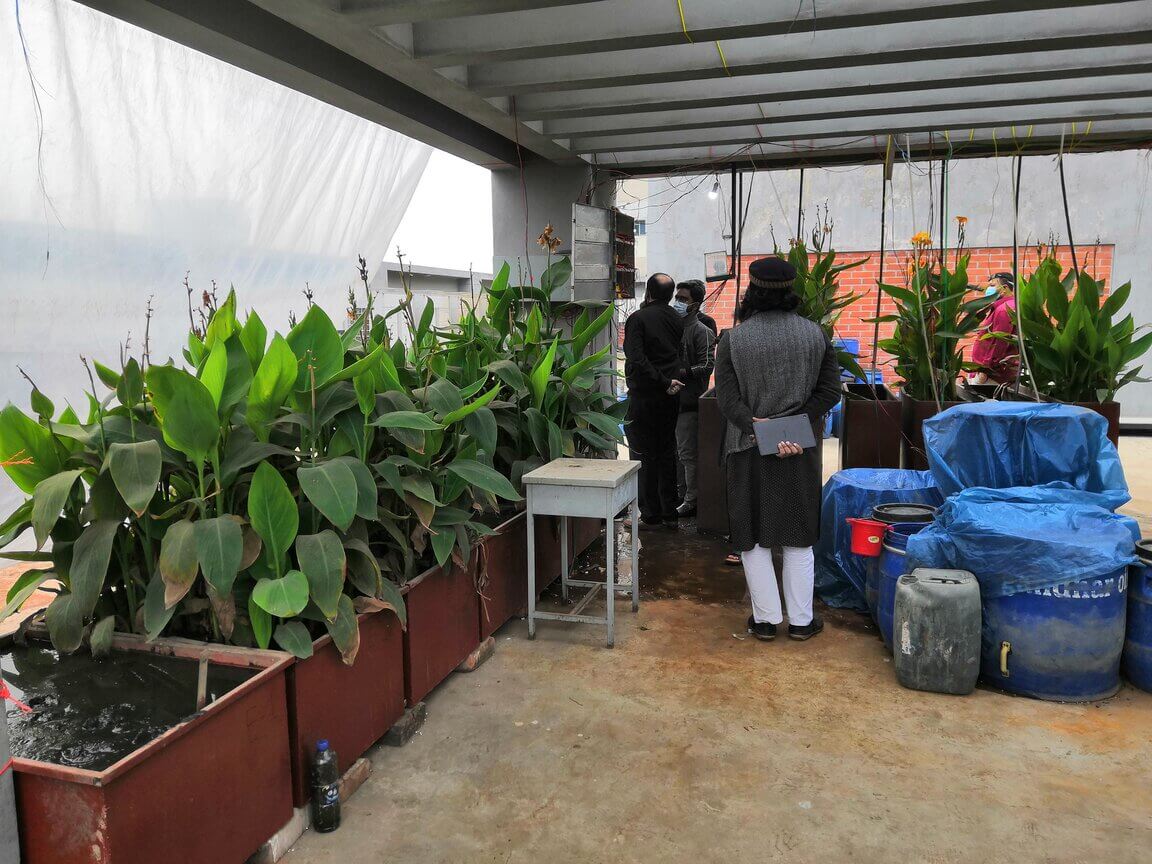
Electrode-Integrated Bioreactor and Floating Constructed Wetland as Decentralized Wastewater Treatment Systems
The proposed research is expected to develop guidelines for a simple, novel wastewater treatment systems in institutions and/or domestic wastewater treatment in urban, semi urban areas of Bangladesh.
December 2022 to ongoing